人々の “健康促進” のために!

人々の “健康促進” のために!
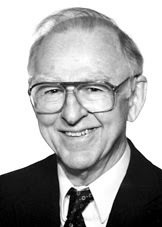
2015年春、沖縄の琉球大学キャンパス内 (産学共同研究棟) に立ち上げた “PAK研究センター” の発足メンバー(左から4人目が、所長の多和田真吉名誉教授)
For detail, click the above image.

2012年5月23日水曜日

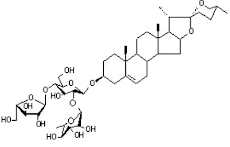
Tetrandrine(Tet) : a new natural PAK blocker?

Two separate groups recently claimed that PAKs, in particular PAK1 and PAK2, are involved in the development of cardiomyocyte hypertrophy, but rather mysteriously in entirely “opposite” ways.

Xin Wang’s group at University of Manchester in UK reported that PAK1-deficiency in mice causes the hypertrophy, while a sphingolipid called “FTY720” reverses the hypertrophy (1). Misunderstanding that FTY720 is a PAK1 activator, they concluded that PAK1 prevents the hypertrophy. However, actually, FTY720 is a PAK1 inhibitor which suppresses the growth of pancreatic and colon cancers as well as melanin synthesis. Thus, their claim is clearly a "self-conflicting" (making no sense!)...
On the other hand, Thomas Wieland’s group at University of Heidelberg in Germany found that PAK2 is essential for catecolamine-induced hyperdrophy (2). In other words, PAK2 blockers could serve as potential therapeutics for the hypertrophy.

In this light, I have searched a reported few “natural” therapeutics for the hypertrophy, and found that curcumin, berberine, CAPE (caffeic acid phenethyl ester) and tetrandrine (Tet) could reverse the hypertrophy in mice or rats (3-6). What is the common (biological property) to these four anti-hypertrophic natural products?  Curcumin is known to inhibit both PAK1 and PAK2 directly (7).  Berberine down-regulates RAC and CDC42, activators of PAKs, and therefore blocking both PAK1 and PAK2 (8).  CAPE down-regulates RAC, and therefore blocking PAK1-3 (9). How about Tetrandrine (Tet)?  Tet is known to block the activation of beta-catenine, an oncogenic transcription factor which is activated directly by PAK1 or PAK2 (10). Thus, it is most likely, if not proven as yet,  that Tet also blocks both PAK1 and PAK2.

If  PAK1 alone were able to prevent effectively the hypertrophy, these anti-PAK compounds would have worsen the hypertrophy. However, if PAK2 is causing the hypertrophy, these anti-PAK compounds could improve the conditions of hypertrophy, as have been reported. In other words, it is most likely that the force of PAK2 to cause the hypertrophy is far “superior” to the power of PAK1 to reverse the hypertrophy. Thus, in my opinion, we should first focus our attention on PAK2’s hypertrophic effect. For PAK1-deficiency is rarely found in human beings, whereas hyper-activation of PAK1 or PAK2 as well as PAK4 is quite often found in human beings suffering from cancers or a variety of other PAK-dependent diseases.

Thus, it would be worth testing/proving directly if Tet blocks PAK1 and PAK2 in cardiomyocytes or colon cancer cells, as expected.

Lastly, in support of this notion, back to more than 2 decades ago, Tet was shown to block the chloroquine (CQ)-resistant malaria and reduce the effective dose of CQ by 40 times (11). Recently Christian Doerig’s group in Switzerland found that malaria infection requires PAK1 in host cells (12), strongly suggesting that Tet blocks PAK1 as well as PAK2. 


References:  

1.     Liu, W., Zi, M., Naumann, R., Ulm, S., Jin, J., Taglieri, DM. et al. Pak1 is a novel signaling regulator attenuating cardiac hypertrophy in mice. Circulation. 2011,124: 2702-15.

2. Vettel C, Wittig K, Vogt A, Wuertz CM, El-Armouche A, Lutz S, Wieland T. A novel player in cellular hypertrophy: G(i)βγ/PI3K-dependent activation of the RacGEF TIAM-1 is required for α(1)-adrenoceptor induced hypertrophy in neonatal rat cardiomyocytes J Mol Cell Cardiol. 2012, in press.

3.  Li HL, Liu C, de Couto G, Ouzounian M, Sun M, Wang AB, et al. Curcumin prevents and reverses murine cardiac hypertrophy. J Clin Invest. 2008, 118, 879-93.


4.  Hong Y, Hui SC, Chan TY, Hou JY. Effect of berberine on regression of pressure-overload induced cardiac hypertrophy in rats. Am J Chin Med. 2002, 30, 589-99.

Caffeic acid phenethyl ester (CAPE) prevents cadmium-induced cardiac impairment in rat. Toxicology. 2006, 227, 15-20.

6. Zhou DX, Yang GT, He XX, Liu Q. Effects of tetrandrine on Ang II-induced cardiomyocyte hypertrophy and p-ERK1/2 expression. Zhongguo Zhong Yao Za Zhi. 2007, 32, 1921-4.

7. Cai, XZ., Wang, J., Li, XD., Wang, GL. et al. Curcumin suppresses proliferation and
      invasion in human gastric cancer cells by down-regulation of PAK1 activity and
      cyclin D1 expression. Cancer Biol Ther. 2009, 8, 1360-8.

8. Tsang,  CM., Lau, EP., Di, K., Cheung, PY. et al. Berberine inhibits Rho GTPases
       and cell migration at low doses but induces G2 arrest and apoptosis at high doses in
       human cancer cells.  Int J Mol Med. 2009, 24, 131-8.

9. Demestre, M. Messerli, S., Celli, N., Shahhossini, M. et al. CAPE (Caffeic Acid
      Phenethyl Ester)-based Propolis Extract (Bio 30) Suppresses the Growth of Human
      Neurofibromatosis (NF) Tumor Xenografts in Mice. Phytother. Res. 2009, 23, 226-
      30.

10. He BC, Gao JL, Zhang BQ, Luo Q, Shi Q, Kim SH, et al. Tetrandrine (Tet) inhibits Wnt/β-catenin signaling and suppresses tumor growth of human colorectal cancer. Mol Pharmacol. 2011, 79, 211-9. 


11. Ye ZG, Van Dyke K, Castranova V. The potentiating action of tetrandrine in combination with chloroquine or qinghaosu against chloroquine-sensitive and resistant falciparum malaria. Biochem Biophys Res Commun. 1989, 165, 758-65.

12. Sicard A, Semblat JP, Doerig C, Hamelin R, Moniatte M, Dorin-Semblat D, et al. Activation of a PAK-MEK signalling pathway in malaria parasite-infected erythrocytes. Cell Microbiol. 2011, 13, 836-45. 

2012年3月13日火曜日

“NF1患者(特にMPNST患者)のGPEによる治療 (治験)” に関するお知らせ

GPE (ブラジル産グリーンプロポリスエキス)は、NZ産のプロポリス(Bio 30)と同様、動物(マウス)実験で、NF腫瘍の増殖を強く抑えた(1、2)。GPEの抗腫瘍作用は主に、エキスに含まれるARC(Artepillin C)と呼ばれるポリフェノールのPAK遮断作用による(2)。

さて、最近、Bio 30による世界規模のNF患者を対象とする治療(治験)が成功裡にほぼ完了したのに伴い(3)、山田養蜂場が自社のGPE製品(「P300」と呼ばれるカプセル剤)を無償で提供、8ー10名の重症NF1患者(特にMPNST患者)を対象とする半年間にわたる治験をできるだけ早期に開始したい意向である。

予備実験として、「P300」(毎日6粒づつ経口)が「Bio 30」 同様、NF1患者の皮膚腫瘍 (いわゆる「ブク」) を一ヶ月以内に縮小することは実証済み(3)。更に、P300とBio 30の併用で、MPNSTの再発が少なくとも3か年予防される、という欧米の例もある。

そこで、この治験に参加したい患者を、今月から募集開始する予定である。希望者が8名に達し次第、然るべきNF1専門医の指導下に、治験を早急に開始したい。希望者は下記にメールで応募されたし。

maruta20420@yahoo.co.jp

なお応募の際、病名(MPNST)、腫瘍がどこにあり、今までどんな治療を受けてきたか、氏名、年令、
体重、住所などをご連絡下さい。担当医の名前と病院名(所在地)もお知らせ下さい。


文責: 「NF/TSC Cure Org」 マネジャー, (薬学博士) 丸田 浩
(元ルードビッヒ国際癌研究所, 制癌剤開発部長)


参考文献:

1。Demestre, M. Messerli, S., Celli, N., Shahhossini, M. et al. CAPE (Caffeic Acid
Phenethyl Ester)-based Propolis Extract (Bio 30) Suppresses the Growth of Human
Neurofibromatosis (NF) Tumor Xenografts in Mice. Phytother. Res. 2009, 23, 226-
30.

2。Messerli, S., Ahn, MR., Kunimasa, K., Yanagihara, M. et al. Artepillin C (ARC) in
Brazilian Green Propolis Selectively Blocks the Oncogenic PAK1 Signaling and
Suppresses the Growth of NF Tumors in Mice. Phytother. Res. 2009, 23, 423-27.

3。Maruta, H. Effective NF therapeutics blocking PAK1. Drug Disc. Ther. 2011, 5,
266-78. http://www.ddtjournal.com/action/downloaddoc.php?docid=482

2012年1月23日月曜日

Too Much (Iron-Rich) “Red” Meat Shortens Our Lifespan! :

http://health.usnews.com/health-news/diet-fitness/diabetes/articles/2009/03/23/too-much-red-meat-may-shorten-lifespan

A new “scientific” evidence by Mitoferrin KO in C. elegans

Mitoferrin is an iron importer into mitochondria, essential for the hemoglobin synthesis. Therefore, dysfunction (or knock-out) of mitoferrin in Zebrafish causes hypochromic anaemia and erythroid maturation arrest (1).

Interestingly, however, in the beginning of this year a Chinese group led by JianXin Lu, an “Iron Man”, at Wenzhou Medical College report that the reduction of mitoferrin (mfn) by the mfn siRNA treatment of C. elegans extends the lifespan of this worm by 50-80%, along with smaller body size, smaller progeny number (litter size), and slower movement (2). These effects have nothing to do with the so-called anti-oxidant effect (a “myth”!), because vitamin C, a typical anti-oxidant, does not cause any of these effects. More interestingly, these effects on this worm are apparently similar to those what CR (calorie restriction)-induced activation of the tumor suppressive kinase AMPK, dysfunction of IR (insulin-like receptor, DAF2), AGE-1 (PI3 kinase), TOR (target of rapamycin), or PAK1 genes would cause.

The latter “kinase” effects are executed through the tumor suppressing transcription factor FOXO, which is essential for both the longevity and expression of heat shock (chaperon) genes. Thus, it is conceivable that mitoferrin and these oncogenic kinases (IR, PI3 kinase, TOR and PAK1) are somehow linked to each other. However, unlike PAK1, mitoferrin has no effect on Hsp16 gene (unpublished observation), suggesting that mitoferrin's effect may be independent of both FOXO and heat shock (Hsp)genes.

I shall remind you that there are so many natural products, such as curcumin in Indian curry, propolis (bee-made antibiotics) and bitter melon (“Goya”), which suppress these oncogenic kinases without any adverse effect.

Thus, if you wish to live longer in a good health, I would recommend you to take a plenty of these natural products, and certainly less of red meat. However, if you have a great ambition to win a 100 m race, or have a dozen of children in your family, please don’t take these natural products, simply because you might suffer from fatique before reaching the goal, and dysfunction of your sperms which requires mitoferrin for their maturation. So it might be wise to take a sufficient red meat before you complete a family plan with a few children, and then switch a gear by taking these life-extending natural products, instead of red meat, to enjoy the remaining longer and healthier live.

References:

1. Shaw, G., Cope, J., Li, LT., Corson, K. et al. Mitoferrin is essential for erythroid iron assimilation. Nature, 2006, 440, 96-100.

2. Ren, YG., Yang, S., Tan, GQ., Ye, W. et al. Reduction of mitoferrin results in abnormal development and extended lifespan in C. elegans. PLoS One, 2012, 7, e29666.

2012年1月14日土曜日

Trihydrophobin 1 (TH1): a tumor suppressor
that inactivates the kinase PAK1,
and is blocked by the oncogenic kinase SRC.

For a decade since 2002, Jianxin Gu’s group at Fudan University in Shanghai has extensively studied the biological function of an ubiquitous protein called trihydrophobin 1 (TH1), present in a variety of animals from Drosophila to human, and found that TH1 inactivates the oncogenic kinase PAK1 and its downstream effectors MEK/ERK as well (1, 2), and is inactivated by the oncogenic Tyr-kinase SRC which phosphorylates Tyr 6 of TH1 (2). In addition, TH1 inactivates another oncogenic kinase A-Raf, but neither B-Raf nor C-Raf (3). Over-expression of TH1 in breast cancer cells blocks both their growth and migration which depend on PAK1 (4). Thus, like Merlin, TH1 is a tumor suppressor that down-regulates PAK1 and its effectors, and its dysfunction probably causes cancer development, and shortens our lifespan.

Back to 2000, we found that PP1, an inhibitor of SRC family kinases, blocks the activation of PAK1, with the IC50 around 10 nM, and the PAK1-dependent growth of RAS-transformants such as pancreatic and colon cancers (5). Recently it was found that the major target of PP1 is FYN, a member of SRC family.  Thus, PP1 reactivates TH1 by blocking FYN, and TH1 in turn inactivates PAK1…

In this context, it should be worth noting that EGF, a ligand for the cell surface Tyr-kinase ErbB1 (EGF receptor), stimulates the TH1 phosphorylation by SRC family kinases, clearly indicating that SRC acts downstream of ErbB1 (2). We found that inactivation of PAK1 by PP1 is not affected by AG 1478, an ErbB1-specific inhibitor, but markedly enhanced by AG 879, an inhibitor of ETK, another Tyr-kinase (6, 7), strongly suggesting that the PP1-induced PAK1 inactivation involves the TH1 phosphorylation by FYN. The combination of PP1 and AG 879 completely blocks both PAK1 and the growth of RAS-transformants in vivo (xenografts mice).

References:

1. Cheng, CM., Kong, XF., Wang, HZ., Gan, HC. et al. Trihydrophbin 1 interacts with
PAK1 and regulates ERK/MAPK activation and cell migration. J. Biol. Chem. 2009,
284, 8786-96.

2. Wu, W., Sun, Z., Wu, J., Peng, X. et al. Trihydrophobin 1 Phosphorylation by c-Src
Regulates MAPK/ERK Signaling and Cell Migration. PLoS One. 2012, 7, e29920.

3. Liu, W., Shen, WY., Yang, YZ., Yin, XL. et al. Trihydrophobin 1 Is a New Negative
Regulator of A-Raf Kinase. J. Biol. Chem 2004, 279, 10167-75.

4. Zou, WY., Yang, YZ., Wu, YH., Sun, LL. et al. Negative role of trihydrophobin 1
in breast cancer growth and migration. Cancer Sci. 2010, 101, 2156–62.

5. He, H., Hirokawa, Y., Levitzki, A., Maruta, H. An anti-Ras cancer potential of PP1,
an inhibitor specific for Src family kinases: in vitro and in vivo studies. Cancer J.
2000, 6, 243-8.

6. He, H., Hirokawa, Y., Manser, E., Lim, L. et al. Signal therapy for RAS induced
cancers in combination of AG 879 and PP1, specific inhibitors for ErbB2 and Src
family kinases, that block PAK activation. Cancer J. 2001, 7, 191-202.

7. He, H., Hirokawa, Y., Gazit, A., Yamashita, Y. et al. The Tyr-kinase inhibitor AG879,
 that blocks the ETK-PAK1 interaction, suppresses the RAS-induced PAK1activation
and malignant transformation. Cancer Biol Ther. 2004, 3, 96-101.

2012年1月6日金曜日

「PAK遮断薬」時代がいよいよ到来!

MIT/理研の利根川 進教授(1987年ノーベル受賞者)が2、3年前に
カルフォルニア州のサンディエゴに創立したベンチャー製薬会社「Afraxis」
が最近、PAK1に特異的な阻害剤(IC50が10 nM前後)を2、3種類
開発し、特許を申請したそうです。 最近(医者向けに)市販された点滴用
(PAK遮断)薬FK228 (商標イストダックス) と違い、経口用で、血管脳関門を
通過しうるので、将来、(癌ばかりではなく) NF2やTSC などの脳腫瘍や
(利根川教室の専門である) 自閉症などの脳内に発生するPAK1依存性の難病
の治療にも役立つ可能性があります。

Website of Afraxis: http://www.afraxis. com

The 2011 patent on PAK1 inhibitors:

8-(2'-HETEROCYCYL)PYRIDO[2.3-D]PYRIMIDIN-7(8H)-ONES
FOR THE TREATMENT OF CNS DISORDERS

Inventors:
CAMPBELL, David (13318 Seagrove Street, San Diego, CA, 92130, US)
DURON, Sergio, G. (1605 Neale Street, San Diego, CA, 92103, US)
VOLLRATH, Benedikt (4704 Niagara Avenue, San Diego, CA, 92107, US)
WADE, Warren (10940 Shy Bird Lane, San Diego, CA, 92128, US)

Application Number: US2011/040075
Publication Date: December 15, 2011
Filing Date: June 10, 2011

Assignee:
AFRAXIS, INC. (11099 N. Torrey Pines Road, Suite 290, La Jolla, CA, 92037, US)
and the above four inventors

2011年12月29日木曜日

FK228点滴薬、商標「Istodax」で発売がFDAにより許可される!

http://ir.celgene.com/phoenix.zhtml?c=111960&p=irol-newsArticle&ID=1574933&highlight=

使用対象は、目下、T細胞リンパ腫 (皮膚性 および末梢性、CTCL/PTCL)
という稀少悪性腫瘍の治療のみ。米国製薬会社「Celgene」から医者向け
に発売される。従って、市販の価格についてはまだ不明。将来はNF1患者の
MPNST (悪性腫瘍) 及び 表皮のいわゆる「ブク」やこぶ (Plexi-form) にも、
使用されうるが、この薬剤は血管脳関門を通過しないので、NF2患者の脳腫瘍
( メニンジオーマとシュワノーマ) には効かないし、NF1患者の脳腫瘍には
効かない。 さらに、プロポリスと違って、いくつかの副作用、例えば貧血性疲労や
胃腸障害などが生じるといわれている。

【製剤】1バイアル2 mL中 Istodax 10 mg 
【用法用量】28日サイクルで1, 8, 15日目に1回4時間以上で 14 mg/m2を静注する。

世界に先駆けて、「イストダックス」によるNF1(特にMPNST)の治験を
開始しよう!


強い抗癌作用のある抗生物質「FK228=Istodax」を世界に先駆けて1993年ごろ
に発見したのは、実は藤沢薬品(合併後、改名して「アステラス」製薬)だった。
更に、その標的がHDAC (ヒストン脱アセチラーゼ) であることを1998年
に発見したのは、当時東大農学部の吉田 稔博士(HDAC阻害剤の専門家で、
現在は理研勤務) と藤沢薬品の共同研究によるものだった。更に、この薬剤が
最終的には、発癌キナーゼ「PAK」を遮断することを発見すると共に、少なくとも
NF1(神経線維腫症タイプ1)のMPNSTという悪性固形癌の治療に強い
効果があることを、2005年に動物実験で実証したのは、我々のグループである。

従って、最初の発見から十数年後、ようやく市販にたどり着いた新薬(Istodax)
のNF1腫瘍に対する薬効を調べる治験(臨床実験)が、世界に先駆けて、日本で
まず開始されることは、歴史的にみて、(誰の目にも) 極めて道理にかなっていると
思われる。今のところ、ミツバチの産物「プロポリス」以外には、NF1に効く
(厚生省認可の)薬は皆無であるから、Istodax の日本での治験開始は「急務」
であると言わざるをえない。稀少難病「NF」の治療に携わる医療関係者たち
(日本レックリングハウゼン病学会)や厚生労働省に、早期の治験開始を強く訴えたい。

2011年12月19日月曜日

ソウルの日本大使館前に設置された少女 (従軍慰安婦?) 像

A "Korean" girl statue in front of "Japanese" embassy in Seoul

As an artist, I think setting up a bronze statue of a young Korean girl (only 120 cm high) sitting on a chair in front of the Japanese embassy in Seoul is a very clever approach of Korean people (women) who are asking “rather quietly” for the long-overdue compensation from Japanese government. However, in reality these former “comfort” women (sex slaves) are now reaching over 80s (if they were around 20 during the WWII, they must be over 85 now if they are still alive). Obviously Japanese government keeps waiting (just buying a time) until most of these surviving Korean (and Taiwanese) victims shall die in a decade or so… Only 63 of these 200,000 victims still survive, and their average age is around 86, only several years younger than my own Japanese mother (almost 94) in Tokyo.

元慰安婦のおばあさんたちの生存者は六十三人、平均年齢は八十六歳だ。「残された時間は少ない」という李明博大統領 (韓国) の言葉は重い (Tokyo Shimbun 社説)。

http://www.tokyo-np.co.jp/article/column/editorial/CK2011121902000044.html

従軍慰安婦たちは、最終的には(日本軍の将校や兵士の前で)裸にされたはずだが、
この少女像は不思議に、きちんと着物をまとっている。なぜだろうか? ヌード
像にすると、「韓流」の女性と「和風」の女性との区別がしにくくなる。 そこで
韓流の衣装を着せたままにしたわけである。 さらに、衣服をまとっていれば、
「わいせつ」を理由に勝手に撤去できなくなる。 かなり頭脳的なプレーである!

現在、日本外交の2大「汚点」になっている問題は、この(戦時中の)従軍慰安
婦問題と南氷洋における、いわゆる「調査」(実は「商業」)捕鯨問題である。
そこで、日本による乱獲捕鯨に強く反対する豪州やニュージーランドの「グリーン」
(環境保護)団体が、韓国の例(英知)に習らって、地元にある日本大使館前に、
「ザトウクジラ」のブロンズ像を設置しようという計画を立てつつあるという噂も、
巷に流れ始めている。。。

Humpback Whale (ザトウクジラ)

和名の由来はその姿(背ビレと背中の瘤等)が琵琶を担いだ座頭に似ているため。
英名humpback whale(せむしの鯨)は、背中の瘤から。学名Megaptera は
『大きな(=Mega)翼(=Ptera)』(=巨大な胸ビレ)という意味。標準的な個体では
体長11 - 16m、体重30トンほどだが、大きなものは20m、60トンにもなる大型のクジラ。
寿命は、45年から100年だから、人類に近い。 乱獲のため、絶滅に瀕している。


北鮮の金正日総書記 (69) が列車内で 急死!!!