As mentioned before, the majority of anti-PAK1 products such as CAPE and
curcumin are LKB1/AMPK activators. Thus, it is of great interest to find
any micro RNAs which control either LKB1 or AMPK, in addition to PAK1 per
se.
So far only one micro RNA has been identified by Sean Lawler's group
at OSU (Ohio State University) in 2010 (1) : it is called miRNA451.
This micro RNA is oncogenic and inactivates the tumor suppressive kinase LKB1
by down-regulating its activator "CAB39", a calcium-binding protein.
Since LKB1 directly inactivates PAK1 and activates AMPK, in theory
miRNA451 would activate PAK1, and inactivate AMPK.
So I wonder if anti-PAK1 products inactivate this micro RNA gene. So far nobody
has tested this notion directly. Interestingly, however, this miRNA is highly upregulated
in Schwannoma (2), an NF2 tumor in which PAK1 is abnormally activated,
due to the dysfunction of NF2 gene product (merlin) which is a direct inhibitor of PAK1.
Thus, it is almost certain that PAK1 up-regulates this miRNA.
Furthermore, high glucose level in glioma cells activates this gene, promoting their proliferation, whereas the low glucose level inactivates this gene blocking their growth. Thus, the promoter of this micro RNA gene somehow serves as a cellular glucose sensor.
So I trust that anti-PAK1 products (=AMPK activators) along with either CR (calorie restriction)/fast or vigorous exercise such as marathon would certainly inactivate this gene, leading to the cure of PAK1-dependent cancers/NF, the longevity and good health...
References:
1. Godlewski, J. et al (OSU). MicroRNA-451 Regulates LKB1/AMPK Signaling
and Allows Adaptation to Metabolic Stress in Glioma Cells. Mol. Cell, 2010,
37, 620-32.
2. Saydam, O. et al (MGH). miRNA-7 attenuation in schwannoma tumors stimulates
growth by upregulating three oncogenic signaling pathways. Cancer Res.
2010, in press.

2010年12月18日土曜日
Tumor-Suppressive micro RNAs versus Oncogenic kinase PAK1
During 2008-2010, a few interesting papers emerged, in which microRNAs are
shown to control genes encoding the oncogenic (Ser/Thr-) kinase PAK1 and
a few other oncogenic (Tyr-) kinases such as ACK, ErbB1 and ErbB2. Among
them, in a therapeutic point of view, microRNA7 /miRNA7 appears to be potentially
the most interesting.
According to Rakesh Kumar's group now at George Washinton University and Xandra
Breakefield's group at MGH as well as a few other groups (1-3), miRNA7 inactivates
at least four oncogenic genes encoding PAK1, ACK, ErbB1 (EGF receptor)
and ErbB2, and suppresses the PAK1-dependent growth of breast cancer, glimoma
and schwannoma (NF2 tumor). A decade ago, we have shown that these
four oncogenic kinases are essential for the growth of RAS cancers (such
as pancreatic and colon cancers) as well as NF tumors. In principle, either
anti-PAK1 drugs or miRNA7 would be useful for systemic treatment or (so-called)
gene therapy of these PAK1-dependent tumors. However, expression of microRNAs
in all cancer cells in each patient would be almost impossible at the present
stage of "gene therapy" technology. Thus, in reality, even microRNA therapy
has to depend on either chemical compounds or natural products which activate
miRNA7 gene for human cancer therapy.
So far propolis extracts, which are rich in either CAPE (caffeic acid phenethyl
ester) or ARC (artepillin C), have been the most promising clinically as
the systemic therapeutics of the PAK1-dependent cancers and NF (neurofibromatosis)
tumors. Among these propolis products, Bio 30 (an NZ propolis) and Brazilian
green propolis (P-300) are world-widely used without any adverse effect.
Interestingly both propolis extracts block the oncogenic kinase PAK1 selectively.
Back to miRNA7, I wonder what could activate this gene. According to Rakesh
Kumar's paper (1), a homeobox protein called HoxD10 is essential for the
full expression of miRNA7. However, HoxD10 is not a cell-permeable small peptide,
and you cannot treat cancer with this protein. Instead, we have to find a chemical
compound or natural product which is able to activate this gene effectively for
cancer therapy.
Well, Lilly Bourguignon's group at UCSF found a clue (4). Hyauronic acid
(HA)-CD44 interaction plays a critical role in the growth of many tumors
including breast cancer and schwannoma. In fact dysfunction of the NF2 gene
product (merlin=PAK1 inhibitor) is known to promote the HA-CD44 interaction.
In both breast cancer and schwannoma, PAK1 is abnormally activated, and
anti-PAK1 drugs such as PP1/PP2, which inactivates SRC family kinases, are
able to suppress the growth of these tumors at least in part. Her group
found that the HA-CD44 interaction activates another micro RNA called miRNA10b,
which is oncogenic, instead of anti-oncogenic, through SRC family kinases.
Interestingly, when this oncogenic HA-CD44-SRC signaling pathway is block
by PP2, HoxD10 gene is activated, while miRNA10b is inactivated. In other
words, PP1/PP2 could be among the HoxD10 gene activators that we are looking
for, and eventually activate the anti-oncogenic miRNA7.
However, in our own previous study, PP1/PP2 alone is not sufficient for
inactivating PAK1 and suppressing the growth of these cancers completely.
We need another Tyr-kinase inhibitor called AG 879 or GL-2003, which blocks
the ETK-PAK1 interaction essential for the full PAK1 activation, along with
PP1/PP2. Thus, I got a feeling that the combination of PP1/PP2 and AG 879/GL-
2003, or propolis extracts such as Bio 30 and P300 could activate fully
miRNA7 gene through HoxD10.
In the future, we might need a new transgenic gene called miRNA7-GFP which
is expressed in a tiny transparent nematode called C. elegans. This gene
is a fusion of miRNA-7 promoter and GFP cDNA. When this promoter is activated,
GFP is expressed and the whole worm glow brightly. So if anti-PAK1 prodcuts
such as CAPE and ARC activate miRNA7, the worm would glow. In our previous
work, we used the CL2070 worm which carries Hsp16.2-GFP fusion gene in which
the promoter of Hsp16.2 gene is linked to GFP cDNA. When this worm is pretreated
with either CAPE or ARC overnight, this worm glows rapidly, shortly after
heat shock, proving that Hsp16.2 gene is inactivated by PAK1. If miRNA7
gene is also inactivated by PAK1, the miRNA7-GFP worm should glow with these
anti-PAK1 products...
Such a GFP worm system would offer a very inexpensive and raid in vivo screening
for anti-cancer drugs such as anti-PAK1 products (=AMPK activators) which
eventually extend the life span by activating the tumor suppressing transcription
factor " FOXO" (like "elixirs") as well.
Interestingly, Razelle Kurzrock's group at MD Anderson CC (5) reported in
2008 that at least miRNA22 gene is activated by curcumin, which like CAPE
and ARC inactivates PAK1, in (PAK1-dependent) human pancreatic cancer cells
(5). Over-expression of miRNA22 suppresses the growth of human cancer cell lines (6).
Thus, it would be worth testing if miRNA7 is also activated by these anti-PAK1 products...
References:
1. Reddy, S. et al (MD Anderson CC). MicroRNA-7, a homeobox D10 target, inhibits
PAK1 and regulates its functions. Cancer Res. 2008: 68, 8195-200.
2. Kefas, B. et al (Univ. of Virginia). microRNA-7 Inhibits the EGF Receptor etc
and Is Down-regulated in Glioblastoma. Cancer Res. 2008, 68, 3566-72.
3. Saydam, O. et al (MGH). miRNA-7 attenuation in schwannoma tumors stimulates
growth by upregulating three oncogenic signaling pathways. Cancer Res.
2010, in press.
4. Bourguignon, L. et al (UCSF). HA-CD44 interaction promotes c-Src-mediated
twist signaling, microRNA-10b expression, etc. J Biol Chem. 2010: 285, 36721-35.
5. Sun, M, et al (MD Anderson CC). Curcumin (diferuloylmethane) alters the
expression profiles of microRNAs in human pancreatic cancer cells.
Mol Cancer Ther. 2008, 7:464-73.
6. Xiong, J. et al (Beijing Univ.). Tumor-suppressive microRNA-22 inhibits the
transcription of E-box-containing c-Myc target genes by silencing c-Myc
binding protein. Oncogene 2010, 29, 4980-8.
shown to control genes encoding the oncogenic (Ser/Thr-) kinase PAK1 and
a few other oncogenic (Tyr-) kinases such as ACK, ErbB1 and ErbB2. Among
them, in a therapeutic point of view, microRNA7 /miRNA7 appears to be potentially
the most interesting.
According to Rakesh Kumar's group now at George Washinton University and Xandra
Breakefield's group at MGH as well as a few other groups (1-3), miRNA7 inactivates
at least four oncogenic genes encoding PAK1, ACK, ErbB1 (EGF receptor)
and ErbB2, and suppresses the PAK1-dependent growth of breast cancer, glimoma
and schwannoma (NF2 tumor). A decade ago, we have shown that these
four oncogenic kinases are essential for the growth of RAS cancers (such
as pancreatic and colon cancers) as well as NF tumors. In principle, either
anti-PAK1 drugs or miRNA7 would be useful for systemic treatment or (so-called)
gene therapy of these PAK1-dependent tumors. However, expression of microRNAs
in all cancer cells in each patient would be almost impossible at the present
stage of "gene therapy" technology. Thus, in reality, even microRNA therapy
has to depend on either chemical compounds or natural products which activate
miRNA7 gene for human cancer therapy.
So far propolis extracts, which are rich in either CAPE (caffeic acid phenethyl
ester) or ARC (artepillin C), have been the most promising clinically as
the systemic therapeutics of the PAK1-dependent cancers and NF (neurofibromatosis)
tumors. Among these propolis products, Bio 30 (an NZ propolis) and Brazilian
green propolis (P-300) are world-widely used without any adverse effect.
Interestingly both propolis extracts block the oncogenic kinase PAK1 selectively.
Back to miRNA7, I wonder what could activate this gene. According to Rakesh
Kumar's paper (1), a homeobox protein called HoxD10 is essential for the
full expression of miRNA7. However, HoxD10 is not a cell-permeable small peptide,
and you cannot treat cancer with this protein. Instead, we have to find a chemical
compound or natural product which is able to activate this gene effectively for
cancer therapy.
Well, Lilly Bourguignon's group at UCSF found a clue (4). Hyauronic acid
(HA)-CD44 interaction plays a critical role in the growth of many tumors
including breast cancer and schwannoma. In fact dysfunction of the NF2 gene
product (merlin=PAK1 inhibitor) is known to promote the HA-CD44 interaction.
In both breast cancer and schwannoma, PAK1 is abnormally activated, and
anti-PAK1 drugs such as PP1/PP2, which inactivates SRC family kinases, are
able to suppress the growth of these tumors at least in part. Her group
found that the HA-CD44 interaction activates another micro RNA called miRNA10b,
which is oncogenic, instead of anti-oncogenic, through SRC family kinases.
Interestingly, when this oncogenic HA-CD44-SRC signaling pathway is block
by PP2, HoxD10 gene is activated, while miRNA10b is inactivated. In other
words, PP1/PP2 could be among the HoxD10 gene activators that we are looking
for, and eventually activate the anti-oncogenic miRNA7.
However, in our own previous study, PP1/PP2 alone is not sufficient for
inactivating PAK1 and suppressing the growth of these cancers completely.
We need another Tyr-kinase inhibitor called AG 879 or GL-2003, which blocks
the ETK-PAK1 interaction essential for the full PAK1 activation, along with
PP1/PP2. Thus, I got a feeling that the combination of PP1/PP2 and AG 879/GL-
2003, or propolis extracts such as Bio 30 and P300 could activate fully
miRNA7 gene through HoxD10.
In the future, we might need a new transgenic gene called miRNA7-GFP which
is expressed in a tiny transparent nematode called C. elegans. This gene
is a fusion of miRNA-7 promoter and GFP cDNA. When this promoter is activated,
GFP is expressed and the whole worm glow brightly. So if anti-PAK1 prodcuts
such as CAPE and ARC activate miRNA7, the worm would glow. In our previous
work, we used the CL2070 worm which carries Hsp16.2-GFP fusion gene in which
the promoter of Hsp16.2 gene is linked to GFP cDNA. When this worm is pretreated
with either CAPE or ARC overnight, this worm glows rapidly, shortly after
heat shock, proving that Hsp16.2 gene is inactivated by PAK1. If miRNA7
gene is also inactivated by PAK1, the miRNA7-GFP worm should glow with these
anti-PAK1 products...
Such a GFP worm system would offer a very inexpensive and raid in vivo screening
for anti-cancer drugs such as anti-PAK1 products (=AMPK activators) which
eventually extend the life span by activating the tumor suppressing transcription
factor " FOXO" (like "elixirs") as well.
Interestingly, Razelle Kurzrock's group at MD Anderson CC (5) reported in
2008 that at least miRNA22 gene is activated by curcumin, which like CAPE
and ARC inactivates PAK1, in (PAK1-dependent) human pancreatic cancer cells
(5). Over-expression of miRNA22 suppresses the growth of human cancer cell lines (6).
Thus, it would be worth testing if miRNA7 is also activated by these anti-PAK1 products...
References:
1. Reddy, S. et al (MD Anderson CC). MicroRNA-7, a homeobox D10 target, inhibits
PAK1 and regulates its functions. Cancer Res. 2008: 68, 8195-200.
2. Kefas, B. et al (Univ. of Virginia). microRNA-7 Inhibits the EGF Receptor etc
and Is Down-regulated in Glioblastoma. Cancer Res. 2008, 68, 3566-72.
3. Saydam, O. et al (MGH). miRNA-7 attenuation in schwannoma tumors stimulates
growth by upregulating three oncogenic signaling pathways. Cancer Res.
2010, in press.
4. Bourguignon, L. et al (UCSF). HA-CD44 interaction promotes c-Src-mediated
twist signaling, microRNA-10b expression, etc. J Biol Chem. 2010: 285, 36721-35.
5. Sun, M, et al (MD Anderson CC). Curcumin (diferuloylmethane) alters the
expression profiles of microRNAs in human pancreatic cancer cells.
Mol Cancer Ther. 2008, 7:464-73.
6. Xiong, J. et al (Beijing Univ.). Tumor-suppressive microRNA-22 inhibits the
transcription of E-box-containing c-Myc target genes by silencing c-Myc
binding protein. Oncogene 2010, 29, 4980-8.
2010年12月4日土曜日
The right of a citizen to protect our power-lines
from "harming" tall trees
More than one year ago, in an early October 2009, I moved to 14 Curtin Avenue,
Brunswick West, outskirts of Melbourne. This area is governed by Moreland
City Council. Shortly after I moved there, I noticed a tall ugly tree in
front of my property, which was over-grown passing our power-lines. Whenever
a strong wind blows, the top of this tree keeps brushing our power-lines.
I foresaw that this tree will harm our power lines in any moment, just like
a "time bomb". So I wrote the city council, asking for trimming this tree
as soon as possible. They wrote back, saying that they shall handle the
matter in due time...
However, even more than one year passed, nobody bothered coming from the
council to trim this "harming" tree. Finally around November 10, this year,
I cut off the top-half of this tree by my own hands (ax), assuming that
the city council does not care the matter. However, the bottom half of this
tree (around 2 meter long) still remained to re-grow in due time. I put
a note on the remaining stem, that "no longer welcome the high-trees which
harm our power lines". In my opinion, such a tall tree should not have grown
(been planted) under our power lines for the first place, but if done, the
city council should take care of (trim) this tree, so that it would not harm
our power-lines.
I was told that this tree belongs to the city council, and if I cut or trim
this by my hands, I shall be fine ($200-600). Well, as long as the city
council takes care of it, I wouldn't dare to trim or cut this tree. However,
if the council kept ignoring our request or warning, we shall use our own
hands to solve the matter. It took a few hours for me to cut it half by
small ax and hand saw. Since I don't have a tall (4 ml long) ladder reaching
the top of this tree, I have to cut this tree in the middle where my ladder
reaches. I thought my action is well justified, and the council wouldn't
dare to fine me. However, right the next day, an officer from the council
rushed to take a photo of the remaining bottom of this tree, and told me
that I shall be fined in due time. I got a feeling that the council deliberately
ignored my request, in order to grab this fine as their revenue, without
any action (taking their own responsibility). On December 3, I received
a bill from the council, saying that I should pay $250 for damaging this
tree (the city's property) in two months.
Why didn't the city take care of their own property? There is a lawn area
in front of each house. This lawn also belongs to the city. However, nobody
from the council comes to mow the lawn, and the each household has to mow
the lawn in front of his or her property. If you have no mowing machine,
you have to ask an expert to mow each lawn and pay around $15 each time!
The council would never cover this cost! In other words, both trees and
lawn areas in front of each house are so-called "gray" zones, which belong
to the city, but the city would never take care of.
I have never heard of any incident that the council would fine anybody who
cut the lawn grasses which belong to the city. Then why not the trees?
Is there any difference between trees and lawn grasses? I never understand
the logic of this council. In the past I used to live in North Melbourne,
very close to the center of Melbourne, for almost two decades. The Melbourne
City Council trims all trees along the street in front of our old Victorian
house. So we have never dared to cut the "huge" beautiful beech tree in
front of our house. I wish Mereland City Council would learn something (a
"civilized" manner) from the Melbourne counterpart.
In two months after the top half of this tree was cut off, a few branches
began to grow from the bottom half, clearly proving that this three is indeed
fully alive, and can re-grow in a more "controllable" (non-cancerous) manner.
In other words, this tree was not "damaged", but simply "trimmed".
Brunswick West, outskirts of Melbourne. This area is governed by Moreland
City Council. Shortly after I moved there, I noticed a tall ugly tree in
front of my property, which was over-grown passing our power-lines. Whenever
a strong wind blows, the top of this tree keeps brushing our power-lines.
I foresaw that this tree will harm our power lines in any moment, just like
a "time bomb". So I wrote the city council, asking for trimming this tree
as soon as possible. They wrote back, saying that they shall handle the
matter in due time...
However, even more than one year passed, nobody bothered coming from the
council to trim this "harming" tree. Finally around November 10, this year,
I cut off the top-half of this tree by my own hands (ax), assuming that
the city council does not care the matter. However, the bottom half of this
tree (around 2 meter long) still remained to re-grow in due time. I put
a note on the remaining stem, that "no longer welcome the high-trees which
harm our power lines". In my opinion, such a tall tree should not have grown
(been planted) under our power lines for the first place, but if done, the
city council should take care of (trim) this tree, so that it would not harm
our power-lines.
I was told that this tree belongs to the city council, and if I cut or trim
this by my hands, I shall be fine ($200-600). Well, as long as the city
council takes care of it, I wouldn't dare to trim or cut this tree. However,
if the council kept ignoring our request or warning, we shall use our own
hands to solve the matter. It took a few hours for me to cut it half by
small ax and hand saw. Since I don't have a tall (4 ml long) ladder reaching
the top of this tree, I have to cut this tree in the middle where my ladder
reaches. I thought my action is well justified, and the council wouldn't
dare to fine me. However, right the next day, an officer from the council
rushed to take a photo of the remaining bottom of this tree, and told me
that I shall be fined in due time. I got a feeling that the council deliberately
ignored my request, in order to grab this fine as their revenue, without
any action (taking their own responsibility). On December 3, I received
a bill from the council, saying that I should pay $250 for damaging this
tree (the city's property) in two months.
Why didn't the city take care of their own property? There is a lawn area
in front of each house. This lawn also belongs to the city. However, nobody
from the council comes to mow the lawn, and the each household has to mow
the lawn in front of his or her property. If you have no mowing machine,
you have to ask an expert to mow each lawn and pay around $15 each time!
The council would never cover this cost! In other words, both trees and
lawn areas in front of each house are so-called "gray" zones, which belong
to the city, but the city would never take care of.
I have never heard of any incident that the council would fine anybody who
cut the lawn grasses which belong to the city. Then why not the trees?
Is there any difference between trees and lawn grasses? I never understand
the logic of this council. In the past I used to live in North Melbourne,
very close to the center of Melbourne, for almost two decades. The Melbourne
City Council trims all trees along the street in front of our old Victorian
house. So we have never dared to cut the "huge" beautiful beech tree in
front of our house. I wish Mereland City Council would learn something (a
"civilized" manner) from the Melbourne counterpart.
In two months after the top half of this tree was cut off, a few branches
began to grow from the bottom half, clearly proving that this three is indeed
fully alive, and can re-grow in a more "controllable" (non-cancerous) manner.
In other words, this tree was not "damaged", but simply "trimmed".
2010年11月15日月曜日
NZプロポリス (Bio 30) の 臨床例
(主に、膵臓癌やNF腫瘍の萎縮例)
服用量: 特記せぬ限り、毎日、体重10キロ当たり 1ml=250mg
すいぞう癌/腫瘍 患者の場合(2例)
2006年のクリスマスも真近いある日のこと、東京に住むある友人(X氏)から、メールをもらった。近くの大学病院で精密検査を受けたら、膵臓腫瘍のため、膵管が異常肥大して太さ10ミリほどになっている、と言われたそうだ。とんだ「クリスマス・プレゼント」だ。膵臓癌の9割以上が膵管の異常肥大をもたらす。しかしながら、彼の場合は幸い、まだ初期で腫瘍が良性と悪性の境界線をさ迷っているという。その外科医の話によると、膵臓の手術はなかなかデリケートなので、しばらく様子をみて、膵管が更に肥大し続けるようなら手術をしよう、という意見だったそうである。膵臓癌には、今も良い治療薬がないので、手遅れになれば、ほとんど命はない。その昔、私はとても親しい知人(X氏とほぼ同じ年頃)を膵臓癌で失ったことがある(癌の発見から4カ月後に死亡した)。その教授は、阪大医学部の著名な生化学者で、当時55才そこそこだったが、もし今も存命ならば、ノーベル医学賞をもらっていたかもしれない世界一流の功績を残した偉人だった。。。
さて、私は医者じゃないので、立ち入った忠告をX氏にできなかったが、一度「セカンド・オピニオン」を国立癌センターの膵臓癌の専門医に、念のため聞いてみるとよいと勧めた。ついでに、NZプロポリスの話にふれてみた。動物実験での結果であるとことわった上で、膵臓癌にもNFにも効くと伝えた。彼はそのプロポリスに興味をもち、一度試しに飲んでみるという返事をよこしてきた。
それから2ー3か月後、彼からまたメールをもらった。「セカンド・オピニオン」を受けるため専門医に再診をしてもらったところ、膵管の太さが2ー3ミリほど縮小していたという。だから、切らないで、さらにしばらく様子をみたほうがよいと言われたそうだ。プロポリスのお蔭かもしれないと、付け加えてあった。
それから丸一年後の正月明けに、またメールをもらった。例の膵管の肥大がスッカリ消えてしまったので、手術する必要がもはやなくなったと、とても喜んでいた。念のため(腫瘍の「再発」を予防するため)、プロポリスを2、3年 飲み続けるとも書いてあった。 さて、このプロポリスが本当に効いたのか、単なる「プラセボ」(偽薬)効果だったのか、判定の余地はないが、とにかく手術なしに「自然」治癒したのは「奇跡」に近く、大変喜ばしい。以後「再発」の報も受け取っていない。
更に最近、韓国のソウル近郊に住む「膵臓癌」患者 (中年女性、体重60kg) から、こんな報告も受け取った。2009年8月頃、膵臓癌の診断 (末期、直径4センチ) を受け、(そのまま放置すれば) 余命「3か月」といわれ、ジェムザールなどのケモ (化学療法) を直ぐ始めたが、体調が一層悪化するだけで、癌は全く縮小しなかった。その上、肝臓やリンパ腺に、癌の転移が発見された。
そこで、ケモを辞め、プロポリス (Bio 30)に切り換えた。彼女の体重では処方の経口量は一日 6mlだが、末期の「転移癌」なので「即効」を期待して、思い切って、その約8倍 (朝晩1瓶ずつ、つまり毎日50 ml)まで経口量を増やしたところ、2、3か月で、膵臓癌のサイズが半分に縮小し、体調も食欲も回復して、登山を再開するほどの元気になったそうだ。驚くなかれ、プロポリスの大量療法の副作用は全くなかった。更に8カ月後(2010年4月頃)のCTスキャン結果から、肝臓やリンパ腺にあった転移癌がすっかり姿を消したばかりではなく、元の膵臓癌もそのサイズが3分の1以下に萎縮していることが判明した。一年後(=2010年8月頃)には、膵臓癌が元のサイズの10分の1以下になり、ほぼ健康体に戻った。
従って、即効を期待するなら、経口量を例えば2ー4倍に増やすべきという結論になりそうだ。
NF2患者の場合(3例)
稀少難病「NF2」は、「メニンジオーマ」と「シュワノーマ」と呼ばれる2種類の(良性)脳腫瘍が平行して発生し、患者の視力や聴力を消失させるケースが多い。米国カルフォルニア州に住むシェーンというNF2患者(40 歳代、体重約70キロ) の場合も、両方の腫瘍が脳内に発生した。さて「シェーン」といえば、1953年に初めて米国で上映されて間もなく、あの懐かしい主題歌と共に、世界中の子供たちの人気を一身に集めたアラン・ラッド主演の西部劇映画「シェーン」を思い出す。当時まだ小学生だった私自身も、その映画を観てひどく感動したものだ。このNF2患者は、この映画が誕生してから10年以上ものちに生まれたことになる。さて、2008年3月、UCLA(ロスアンゼルスにあるカルフォルニア大学病院) でMRIスキャンの結果、メニンジオーマは長径4。6cm、短径3。5cm の大きな腫瘍だった。シュワノーマは長径3。5cm、短径2。9cm のより小さな腫瘍 (体積としては約半分) だった。彼はその日から「Bio 30」を朝晩4 ml づつ(毎日8 ml) 飲み始めた。その後、半年ごとに、MRIスキャンで、その腫瘍の動向を観察(診察)し続けた。両腫瘍とも次第に小さくなり始めた。さて、約2年後の2010年4月の検査の結果、両腫瘍ともはっきりと萎縮していることが証明された。メニンジオーマは長径4。0cm、短径2。4cm で腫瘍の大きさ(体積)としては半減、シュワノーマは長径3。0cm、短径2。1cm で腫瘍の大きさとしては、ほぼ3分の1に縮小していた。
同様なケースが中国やニュージーランドに住むNF2患者の間でも見つかっている。
シェーン曰く「私のNF担当医は、あのサプルと呼んで、プロポリスの治療効果をなかなか認めようとしなかったが、ここに至って、あのBio 30は本物だったと白状した」
もし、韓国の膵臓癌患者の例にならって、Bio 30を毎日もっと多量に服用していたら、2年どころか2、3カ月で、シェーンの脳腫瘍が萎縮して、このNF専門医をあっとびっくりさせたかもしれない。。。
NF1患者の場合(5例)
稀少難病「NF1」は、悪性腫瘍(MPNST)ばかりではなく、良性の脳/神経腫瘍や皮膚性腫瘍(俗に「ブク」とか「レック」とか呼ばれる「オデキ」あるいは「ラクダのコブ」状の腫瘍)をもたらす(名作「ノートルダムのせむし男」の主人公カジモドは、典型的なNF1の重症患者である!)。MPNST(癌)の場合は、動物実験でプロポリスが有効であることが実証できたが、「ブク」の場合は有効な動物モデルがない(ヒト由来の良性腫瘍は、ヌード・マウスに移植しても増殖しない!)ので、これらの良性腫瘍を持つ「NF1」患者が、実際にプロポリスを服用してみない限り、その効果を実証しえない。さて、2010年になって初めて、欧米あるいは日本国内に住む少なくとも4名の「NF1」患者のブクが、プロポリスを服用し始めてから、2、3日以内に萎縮し始め、次第に平たくなり、1カ月後には、すっかり腫瘍が消えてしまうという顕著な例が報告された! もちろん、この「ブク」の急速な萎縮は、比較的軽症の「NF1」ケースが大部分であるが、明らかにプロポリスの治療効果が実証された臨床例として、特記すべきものであろう。
NF1に伴う視神経膠腫などの萎縮
米国に住む20歳前後の男性(NF1 患者)が2年ほど前まで、脳幹腫瘍のため単独で歩行が困難であったばかりではなく、 直径17㎜の視神経膠腫を患っていたが、Bio 30 の経口により、まず一年後には(脳幹腫瘍が一部萎縮したため第四脳室への圧迫が解け)一人歩きが可能になったばかりではなく、2年後には視神経膠腫が直径3㎜にも (脳腫瘍の体積が99%以上!) 萎縮した。
丸田 浩著: 癌や難病を、天然の「抗PAK」パワーで治そう!(畑や野山には、「長寿」の源が無尽蔵)の執筆中原稿より抜粋。
すいぞう癌/腫瘍 患者の場合(2例)
2006年のクリスマスも真近いある日のこと、東京に住むある友人(X氏)から、メールをもらった。近くの大学病院で精密検査を受けたら、膵臓腫瘍のため、膵管が異常肥大して太さ10ミリほどになっている、と言われたそうだ。とんだ「クリスマス・プレゼント」だ。膵臓癌の9割以上が膵管の異常肥大をもたらす。しかしながら、彼の場合は幸い、まだ初期で腫瘍が良性と悪性の境界線をさ迷っているという。その外科医の話によると、膵臓の手術はなかなかデリケートなので、しばらく様子をみて、膵管が更に肥大し続けるようなら手術をしよう、という意見だったそうである。膵臓癌には、今も良い治療薬がないので、手遅れになれば、ほとんど命はない。その昔、私はとても親しい知人(X氏とほぼ同じ年頃)を膵臓癌で失ったことがある(癌の発見から4カ月後に死亡した)。その教授は、阪大医学部の著名な生化学者で、当時55才そこそこだったが、もし今も存命ならば、ノーベル医学賞をもらっていたかもしれない世界一流の功績を残した偉人だった。。。
さて、私は医者じゃないので、立ち入った忠告をX氏にできなかったが、一度「セカンド・オピニオン」を国立癌センターの膵臓癌の専門医に、念のため聞いてみるとよいと勧めた。ついでに、NZプロポリスの話にふれてみた。動物実験での結果であるとことわった上で、膵臓癌にもNFにも効くと伝えた。彼はそのプロポリスに興味をもち、一度試しに飲んでみるという返事をよこしてきた。
それから2ー3か月後、彼からまたメールをもらった。「セカンド・オピニオン」を受けるため専門医に再診をしてもらったところ、膵管の太さが2ー3ミリほど縮小していたという。だから、切らないで、さらにしばらく様子をみたほうがよいと言われたそうだ。プロポリスのお蔭かもしれないと、付け加えてあった。
それから丸一年後の正月明けに、またメールをもらった。例の膵管の肥大がスッカリ消えてしまったので、手術する必要がもはやなくなったと、とても喜んでいた。念のため(腫瘍の「再発」を予防するため)、プロポリスを2、3年 飲み続けるとも書いてあった。 さて、このプロポリスが本当に効いたのか、単なる「プラセボ」(偽薬)効果だったのか、判定の余地はないが、とにかく手術なしに「自然」治癒したのは「奇跡」に近く、大変喜ばしい。以後「再発」の報も受け取っていない。
更に最近、韓国のソウル近郊に住む「膵臓癌」患者 (中年女性、体重60kg) から、こんな報告も受け取った。2009年8月頃、膵臓癌の診断 (末期、直径4センチ) を受け、(そのまま放置すれば) 余命「3か月」といわれ、ジェムザールなどのケモ (化学療法) を直ぐ始めたが、体調が一層悪化するだけで、癌は全く縮小しなかった。その上、肝臓やリンパ腺に、癌の転移が発見された。
そこで、ケモを辞め、プロポリス (Bio 30)に切り換えた。彼女の体重では処方の経口量は一日 6mlだが、末期の「転移癌」なので「即効」を期待して、思い切って、その約8倍 (朝晩1瓶ずつ、つまり毎日50 ml)まで経口量を増やしたところ、2、3か月で、膵臓癌のサイズが半分に縮小し、体調も食欲も回復して、登山を再開するほどの元気になったそうだ。驚くなかれ、プロポリスの大量療法の副作用は全くなかった。更に8カ月後(2010年4月頃)のCTスキャン結果から、肝臓やリンパ腺にあった転移癌がすっかり姿を消したばかりではなく、元の膵臓癌もそのサイズが3分の1以下に萎縮していることが判明した。一年後(=2010年8月頃)には、膵臓癌が元のサイズの10分の1以下になり、ほぼ健康体に戻った。
従って、即効を期待するなら、経口量を例えば2ー4倍に増やすべきという結論になりそうだ。
NF2患者の場合(3例)
稀少難病「NF2」は、「メニンジオーマ」と「シュワノーマ」と呼ばれる2種類の(良性)脳腫瘍が平行して発生し、患者の視力や聴力を消失させるケースが多い。米国カルフォルニア州に住むシェーンというNF2患者(40 歳代、体重約70キロ) の場合も、両方の腫瘍が脳内に発生した。さて「シェーン」といえば、1953年に初めて米国で上映されて間もなく、あの懐かしい主題歌と共に、世界中の子供たちの人気を一身に集めたアラン・ラッド主演の西部劇映画「シェーン」を思い出す。当時まだ小学生だった私自身も、その映画を観てひどく感動したものだ。このNF2患者は、この映画が誕生してから10年以上ものちに生まれたことになる。さて、2008年3月、UCLA(ロスアンゼルスにあるカルフォルニア大学病院) でMRIスキャンの結果、メニンジオーマは長径4。6cm、短径3。5cm の大きな腫瘍だった。シュワノーマは長径3。5cm、短径2。9cm のより小さな腫瘍 (体積としては約半分) だった。彼はその日から「Bio 30」を朝晩4 ml づつ(毎日8 ml) 飲み始めた。その後、半年ごとに、MRIスキャンで、その腫瘍の動向を観察(診察)し続けた。両腫瘍とも次第に小さくなり始めた。さて、約2年後の2010年4月の検査の結果、両腫瘍ともはっきりと萎縮していることが証明された。メニンジオーマは長径4。0cm、短径2。4cm で腫瘍の大きさ(体積)としては半減、シュワノーマは長径3。0cm、短径2。1cm で腫瘍の大きさとしては、ほぼ3分の1に縮小していた。
同様なケースが中国やニュージーランドに住むNF2患者の間でも見つかっている。
シェーン曰く「私のNF担当医は、あのサプルと呼んで、プロポリスの治療効果をなかなか認めようとしなかったが、ここに至って、あのBio 30は本物だったと白状した」
もし、韓国の膵臓癌患者の例にならって、Bio 30を毎日もっと多量に服用していたら、2年どころか2、3カ月で、シェーンの脳腫瘍が萎縮して、このNF専門医をあっとびっくりさせたかもしれない。。。
NF1患者の場合(5例)
稀少難病「NF1」は、悪性腫瘍(MPNST)ばかりではなく、良性の脳/神経腫瘍や皮膚性腫瘍(俗に「ブク」とか「レック」とか呼ばれる「オデキ」あるいは「ラクダのコブ」状の腫瘍)をもたらす(名作「ノートルダムのせむし男」の主人公カジモドは、典型的なNF1の重症患者である!)。MPNST(癌)の場合は、動物実験でプロポリスが有効であることが実証できたが、「ブク」の場合は有効な動物モデルがない(ヒト由来の良性腫瘍は、ヌード・マウスに移植しても増殖しない!)ので、これらの良性腫瘍を持つ「NF1」患者が、実際にプロポリスを服用してみない限り、その効果を実証しえない。さて、2010年になって初めて、欧米あるいは日本国内に住む少なくとも4名の「NF1」患者のブクが、プロポリスを服用し始めてから、2、3日以内に萎縮し始め、次第に平たくなり、1カ月後には、すっかり腫瘍が消えてしまうという顕著な例が報告された! もちろん、この「ブク」の急速な萎縮は、比較的軽症の「NF1」ケースが大部分であるが、明らかにプロポリスの治療効果が実証された臨床例として、特記すべきものであろう。
NF1に伴う視神経膠腫などの萎縮
米国に住む20歳前後の男性(NF1 患者)が2年ほど前まで、脳幹腫瘍のため単独で歩行が困難であったばかりではなく、 直径17㎜の視神経膠腫を患っていたが、Bio 30 の経口により、まず一年後には(脳幹腫瘍が一部萎縮したため第四脳室への圧迫が解け)一人歩きが可能になったばかりではなく、2年後には視神経膠腫が直径3㎜にも (脳腫瘍の体積が99%以上!) 萎縮した。
丸田 浩著: 癌や難病を、天然の「抗PAK」パワーで治そう!(畑や野山には、「長寿」の源が無尽蔵)の執筆中原稿より抜粋。
2010年10月7日木曜日
2010年ノーベル化学賞:
根岸英一(東大卒)、鈴木章(北大卒)、リチャー ド・ヘック(UCLA卒)
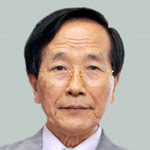
Dr. Ei-ichi Negishi : Herbert C. Brown Distinguished Professor
in Organic and Organometallic Chemistry at Purdue University
Born in Manchuria, China (1935), grew up in Japan and graduated from the
University of Tokyo (1958). He then joined a chemical company, Teijin. In
1960 he came to the University of Pennsylvania on a Fulbright Scholarship
and obtained his Ph.D. degree (1963). He returned to Teijin, but decided
to pursue an academic career. In 1966, he joined Prof. Herbert Brown's Lab
at Purdue as a postdoc, and began investigating various C-C bond forming
reactions of organoboranes. He was appointed Assistant to Prof. Brown in 1968.
It was during the following few years that he began feeling the need for some
catalytic ways of promoting organoborane reactions.
Negishi went to Syracuse University as Assistant Prof. in 1972, and began
his life-long investigations of transition metal-catalyzed organometallic
reactions for organic synthesis. His initial and largely unsuccessful attempts
to develop a Cu-catalyzed conjugate addition or substitution reaction of
organoboranes soon led him to adopt a then novel strategy of considering
all 60 or so non-radioactive metals as components of both stoichiometric
reagents and catalysts. During the 1976-1978 period he published about 10
papers describing the Pd- or Ni-catalyzed cross-coupling reactions of various
organometals including those of Mg, Zn, B, Al, Sn, and Zr. Today, those involving
Zn, Al, and Zr are called the "Negishi-Coupling".
His success in developing the Pd- or Ni-catalyzed alkenylzirconiums was
the beginning of many series of his subsequent investigations of organozirconium
chemistry leading to the discoveries and developments of the Zr-catalyzed
alkyne carboalumination often called the Negishi alkyne carboalumination
(1978- ), the Zr-catalyzed asymmetric alkene carboalumination (ZACA reaction)
(1995- ), and the chemistry of low-valent zirconocenes generated via "Bu2ZrCp2
and other dialkylzirconocenes widely known as the Negishi reagents (1985-
).
He was promoted to Associate Professor at Syracuse University in 1976, and
invited back to Purdue University as Full Professor in 1979. In 1999 he
was appointed the inaugural H. C. Brown Distinguished Professor of Chemistry.
湘南高校出身のノーベル賞・根岸さん、同級生らから喜びの声
神奈川新聞(カナロコ): 10月7日(木)8時15分配信
根岸英一さんのノーベル賞受賞の報に、出身高校である県立湘南高校(藤沢市鵠沼神明)の同級生や同校関係者からは
同校初の偉業に喜びの声が上がった。
同級生で親友だったという元茅ケ崎市長の根本康明さん(76)=茅ケ崎市=は同級生からの相次ぐ連絡に
「今夜はなかなか眠れない」と喜びを実感していた。
根岸さんは部活には参加していなかったが友達付き合いが良く、頭の切れ味が鋭い生徒という印象だった。
2年生の最後の模擬試験で学年1番だったことを覚えている。
根本さんによると、根岸さんは父親の仕事の関係で旧満州(中国東北部)で生まれ、戦後に大和市に引き揚げた。
実は、同級生よりも1歳若い1935年7月 14日生まれ。旧満州で1年前倒しで小学校に入学し、高校入学時は14歳。
東京大学に入学したのは17歳だったと明かす。
高校時代から音楽が好きで、総合化学メーカー「帝人」に勤務時代は、ウクレレを鳴らしながら根本さん宅を訪れたことも。
根岸さんが渡米後もしばらくクリスマスカードを交換していた。 「若いころからノーベル賞を受賞すると言っていたが、
今になって本当になった。とても不思議な感じがする」と感慨深げに話した。
同校の同窓会「湘友会」会長の田辺克彦さん(68)=藤沢市=も根岸さんの受賞に「本人の努力もあったのだろうが、
『湘南教育』がその基礎となったに違いない。卒業生の代表として大変誇らしい」と喜んだ。
同校では来年創立90周年を迎えるにあたり「校史資料館」の開設を予定している。現在、各界で活躍してきた卒業生の資料などを集めているが、根岸さんの偉業をたたえる展示を急きょ加えるつもりだ。田辺さんは「節目の年に、ぜひ根岸さんに
記念講演をしていただきたい」と話した。
「学校の誇りだ。大変うれしい」と声を弾ませたのは、同校の川井陽一校長(58)だ。
6日午後7時半ごろ、テレビのニュースで日本人2人の受賞を知った。その約1時間後、同窓会員から電話が入った。
「受賞した根岸さんは同校OBだ」。慌てて卒業名簿をひっくり返した。1952年度の卒業生の中に「根岸英一」と記されていた。
根岸さんと面識はないが「同窓が偉大な賞を受賞してくれた。本当にうれしい」。
「根岸さんは高校3年間で勉学の基礎を固め、高い志を持ち続けておられたはず。生徒にとって大いに励みになる」。
7日には、早速在学生にも報告し、喜びを分かち合うつもりだ。
根岸さんの妻すみれさん(73)の兄で湘南高校の同級生だった鈴木健次さん(76)=大和市=は
「ノーベル賞は難しいと思っていたので、実現して一族で喜んでいる」と感慨深げだ。
「(根岸さんは)高校のテストでは常に2番以上だった。大学を卒業して帝人に就職したが、本格的に勉強したかったのだろう。すぐに米国に留学した」。思い出を振り返った。
******************************************************
本年のノーベル化学賞を根岸さんがもらったことにより、我が母校「東大」出の自
然科学者で、ノーベル賞を得た人物は、ようやく合計4人になったが、既に5名
の自然科学者がノーベル賞に輝いている「京大」出には、まだ及ばない。
さて、京大出の大部分は、医学賞の利根川さんを除けば、受賞の対象になった業
績は全部、京大あるいは日本国内でなされた研究だった。ところが、東大出の場
合は、小柴さん(物理学賞)を除けば、江崎さん、南部さん、根岸さんは皆、海
外(米国)で挙げた業績が受賞対象になっている。いいかえれば、東大構内では
ユニークな研究をするのが極めて困難だが、京大では、それが割に容易にできる
ことを物語っている。この歴然とした事実を、若き科学者は良く肝に命ずべきだ
ろう。
さて、東大出で、医学賞をもらった研究者はまだ「ゼロ」である。将来、(恐ら
く海外で)誰が医科学の分野で受賞に値いすべきユニークな研究をなし得るかが、
楽しみである。。。
2、3年ほど前に一度ふれたこともあるが、(私が永住する)豪州では、7名も
の医学者がノーベル賞を戦後もらっている。人口が日本の僅か6分の一に過ぎな
いということを鑑がみると、これは驚異的な現象(月とスッポンの差)であろう。
日本人では、医学賞をもらったのは、僅か一人(利根川さん)だけ、しかも海外
(欧州)でやった研究に対するものである! 「猿真似」根性から、日本の医学
/生物学者が一日も早く脱却せねばならない。。。
in Organic and Organometallic Chemistry at Purdue University
Born in Manchuria, China (1935), grew up in Japan and graduated from the
University of Tokyo (1958). He then joined a chemical company, Teijin. In
1960 he came to the University of Pennsylvania on a Fulbright Scholarship
and obtained his Ph.D. degree (1963). He returned to Teijin, but decided
to pursue an academic career. In 1966, he joined Prof. Herbert Brown's Lab
at Purdue as a postdoc, and began investigating various C-C bond forming
reactions of organoboranes. He was appointed Assistant to Prof. Brown in 1968.
It was during the following few years that he began feeling the need for some
catalytic ways of promoting organoborane reactions.
Negishi went to Syracuse University as Assistant Prof. in 1972, and began
his life-long investigations of transition metal-catalyzed organometallic
reactions for organic synthesis. His initial and largely unsuccessful attempts
to develop a Cu-catalyzed conjugate addition or substitution reaction of
organoboranes soon led him to adopt a then novel strategy of considering
all 60 or so non-radioactive metals as components of both stoichiometric
reagents and catalysts. During the 1976-1978 period he published about 10
papers describing the Pd- or Ni-catalyzed cross-coupling reactions of various
organometals including those of Mg, Zn, B, Al, Sn, and Zr. Today, those involving
Zn, Al, and Zr are called the "Negishi-Coupling".
His success in developing the Pd- or Ni-catalyzed alkenylzirconiums was
the beginning of many series of his subsequent investigations of organozirconium
chemistry leading to the discoveries and developments of the Zr-catalyzed
alkyne carboalumination often called the Negishi alkyne carboalumination
(1978- ), the Zr-catalyzed asymmetric alkene carboalumination (ZACA reaction)
(1995- ), and the chemistry of low-valent zirconocenes generated via "Bu2ZrCp2
and other dialkylzirconocenes widely known as the Negishi reagents (1985-
).
He was promoted to Associate Professor at Syracuse University in 1976, and
invited back to Purdue University as Full Professor in 1979. In 1999 he
was appointed the inaugural H. C. Brown Distinguished Professor of Chemistry.
湘南高校出身のノーベル賞・根岸さん、同級生らから喜びの声
神奈川新聞(カナロコ): 10月7日(木)8時15分配信
根岸英一さんのノーベル賞受賞の報に、出身高校である県立湘南高校(藤沢市鵠沼神明)の同級生や同校関係者からは
同校初の偉業に喜びの声が上がった。
同級生で親友だったという元茅ケ崎市長の根本康明さん(76)=茅ケ崎市=は同級生からの相次ぐ連絡に
「今夜はなかなか眠れない」と喜びを実感していた。
根岸さんは部活には参加していなかったが友達付き合いが良く、頭の切れ味が鋭い生徒という印象だった。
2年生の最後の模擬試験で学年1番だったことを覚えている。
根本さんによると、根岸さんは父親の仕事の関係で旧満州(中国東北部)で生まれ、戦後に大和市に引き揚げた。
実は、同級生よりも1歳若い1935年7月 14日生まれ。旧満州で1年前倒しで小学校に入学し、高校入学時は14歳。
東京大学に入学したのは17歳だったと明かす。
高校時代から音楽が好きで、総合化学メーカー「帝人」に勤務時代は、ウクレレを鳴らしながら根本さん宅を訪れたことも。
根岸さんが渡米後もしばらくクリスマスカードを交換していた。 「若いころからノーベル賞を受賞すると言っていたが、
今になって本当になった。とても不思議な感じがする」と感慨深げに話した。
同校の同窓会「湘友会」会長の田辺克彦さん(68)=藤沢市=も根岸さんの受賞に「本人の努力もあったのだろうが、
『湘南教育』がその基礎となったに違いない。卒業生の代表として大変誇らしい」と喜んだ。
同校では来年創立90周年を迎えるにあたり「校史資料館」の開設を予定している。現在、各界で活躍してきた卒業生の資料などを集めているが、根岸さんの偉業をたたえる展示を急きょ加えるつもりだ。田辺さんは「節目の年に、ぜひ根岸さんに
記念講演をしていただきたい」と話した。
「学校の誇りだ。大変うれしい」と声を弾ませたのは、同校の川井陽一校長(58)だ。
6日午後7時半ごろ、テレビのニュースで日本人2人の受賞を知った。その約1時間後、同窓会員から電話が入った。
「受賞した根岸さんは同校OBだ」。慌てて卒業名簿をひっくり返した。1952年度の卒業生の中に「根岸英一」と記されていた。
根岸さんと面識はないが「同窓が偉大な賞を受賞してくれた。本当にうれしい」。
「根岸さんは高校3年間で勉学の基礎を固め、高い志を持ち続けておられたはず。生徒にとって大いに励みになる」。
7日には、早速在学生にも報告し、喜びを分かち合うつもりだ。
根岸さんの妻すみれさん(73)の兄で湘南高校の同級生だった鈴木健次さん(76)=大和市=は
「ノーベル賞は難しいと思っていたので、実現して一族で喜んでいる」と感慨深げだ。
「(根岸さんは)高校のテストでは常に2番以上だった。大学を卒業して帝人に就職したが、本格的に勉強したかったのだろう。すぐに米国に留学した」。思い出を振り返った。
******************************************************
本年のノーベル化学賞を根岸さんがもらったことにより、我が母校「東大」出の自
然科学者で、ノーベル賞を得た人物は、ようやく合計4人になったが、既に5名
の自然科学者がノーベル賞に輝いている「京大」出には、まだ及ばない。
さて、京大出の大部分は、医学賞の利根川さんを除けば、受賞の対象になった業
績は全部、京大あるいは日本国内でなされた研究だった。ところが、東大出の場
合は、小柴さん(物理学賞)を除けば、江崎さん、南部さん、根岸さんは皆、海
外(米国)で挙げた業績が受賞対象になっている。いいかえれば、東大構内では
ユニークな研究をするのが極めて困難だが、京大では、それが割に容易にできる
ことを物語っている。この歴然とした事実を、若き科学者は良く肝に命ずべきだ
ろう。
さて、東大出で、医学賞をもらった研究者はまだ「ゼロ」である。将来、(恐ら
く海外で)誰が医科学の分野で受賞に値いすべきユニークな研究をなし得るかが、
楽しみである。。。
2、3年ほど前に一度ふれたこともあるが、(私が永住する)豪州では、7名も
の医学者がノーベル賞を戦後もらっている。人口が日本の僅か6分の一に過ぎな
いということを鑑がみると、これは驚異的な現象(月とスッポンの差)であろう。
日本人では、医学賞をもらったのは、僅か一人(利根川さん)だけ、しかも海外
(欧州)でやった研究に対するものである! 「猿真似」根性から、日本の医学
/生物学者が一日も早く脱却せねばならない。。。
2010年10月5日火曜日
体外受精(IVF)の開発はノーベル医学賞に値いするか?
今年のノーベル医学賞が意外にも、英国のロバート・エドワーズ(ケンブリッジ
大名誉教授、85)に贈られることになった。受賞理由は「体外受精技術の開発」。
1978年に、世界初の体外受精児「ルイーズ・ブラウン」を誕生させることに
成功した。体外受精(IVF)は、女性の卵巣から卵子を取り出し、精子を加え
てできた受精卵(胚〈はい〉)を、子宮に戻す技術。以後、世界で400万人以
上のIVF児が誕生しているといわれている。
しかしながら、正直な感想を述べるならば、我々分子生物学者の間では、この受
賞にかなり冷やかな反応が隠せない。なぜだろうか?
その理由の1つは、幹(ips)細胞の開発による再生医学研究で、昨年ラスカー賞
(基礎医学)を受賞し、ノーベル医学賞の「最有力候補」と噂されていた京大医
学部の山中伸弥教授(48)が今年は、受賞の選外になったからだ。 まだ若く健
康はつらつな山中教授は、ひと先ず高齢で病床のエドワーズ教授に、席を譲った
格好になった。。。
さらに、私見を述べさせてもらえば、高価な体外受精(IVF)までして、子供
を産む必要は全くない気がする。世界には、60億以上の人口が溢れており、特
にちっぽけな島国「日本」では、一億2千万の人口が所狭しとひしめき合ってい
る。もっと人口を減らし、一人一人の生活水準(QOL)を上げることの方がずっ
と重要であるように思える。子供が欲しいが不妊ならば、世界中(特に、東南ア
ジア・アフリカ)に溢れている戦争(難民)孤児の一人を養子や養女として、我
家で育てればよいのだ! 従って、「IVFの開発は、ノーベル医学賞には値い
しないのではないか」というのが、分子癌研究者としての、私の率直(あるいは
素朴)な感想である。
ところで、堕胎を含めて「産児制限」を一切禁止しているローマ法王を始めカトリック
教会は、今回のIVF開発者に対するノーベル医学賞授与を非難していると聞いた。
体外受精は自然ではない(人工的である)という素朴な理由からである。
しかしながら、(多産の)カトリック社会のごとく、(人口12億の)中国を含めて世界中が
産児制限を辞めたら、地球上は人口過剰になって、人類ばかりではなく、他の
哺乳類も食料不足のために、ほとんど餓死してしまうだろう。従って、無神教
(科学者)の私は、カトリックの肩を持つ積りは毛頭ない! だいたい、カトリックは
ガリレオ・ガリレイを始め「先見の明」のある多数の科学者を弾圧してきた。
いわば、「科学(理性)の敵」である。
考えようによっては、人類自身の破滅を導きかねない「無制限な」人類の繁殖を
未然に防ぐために、自然が我々に与えてくれた巧妙な制御メカニズムの1つとして、
「不妊」(結婚夫婦の約1割)という現象を位置付けることもできる。産児/育児
などごく平凡な日常活動に携わる代わりに、(人類特有の)より知的な活動(例
えば、自然科学の研究)に女性を専心させることができれば、人類のQOLは
一層高められるだろう。。。
因みに、線虫では、PAKというキナーゼ活性が高過ぎると多産、短命になる。
また人類では、このキナーゼの活性が高過ぎると、知能の発達を抑制したり、
癌が発生しやすくなることが知られている。従って、「不妊 」(あるいは「少子化」)
の原因が、「PAKの不活」にあるとすれば、逆に「不妊」は知能の発達、
抗癌作用、健康長寿を増強している要因となることが容易に想像されるだろう。
「IVF」(産児/育児)よりも「知的活動」を選択する方が、ずっと賢明に違いない、
と私は思う。
大名誉教授、85)に贈られることになった。受賞理由は「体外受精技術の開発」。
1978年に、世界初の体外受精児「ルイーズ・ブラウン」を誕生させることに
成功した。体外受精(IVF)は、女性の卵巣から卵子を取り出し、精子を加え
てできた受精卵(胚〈はい〉)を、子宮に戻す技術。以後、世界で400万人以
上のIVF児が誕生しているといわれている。
しかしながら、正直な感想を述べるならば、我々分子生物学者の間では、この受
賞にかなり冷やかな反応が隠せない。なぜだろうか?
その理由の1つは、幹(ips)細胞の開発による再生医学研究で、昨年ラスカー賞
(基礎医学)を受賞し、ノーベル医学賞の「最有力候補」と噂されていた京大医
学部の山中伸弥教授(48)が今年は、受賞の選外になったからだ。 まだ若く健
康はつらつな山中教授は、ひと先ず高齢で病床のエドワーズ教授に、席を譲った
格好になった。。。
さらに、私見を述べさせてもらえば、高価な体外受精(IVF)までして、子供
を産む必要は全くない気がする。世界には、60億以上の人口が溢れており、特
にちっぽけな島国「日本」では、一億2千万の人口が所狭しとひしめき合ってい
る。もっと人口を減らし、一人一人の生活水準(QOL)を上げることの方がずっ
と重要であるように思える。子供が欲しいが不妊ならば、世界中(特に、東南ア
ジア・アフリカ)に溢れている戦争(難民)孤児の一人を養子や養女として、我
家で育てればよいのだ! 従って、「IVFの開発は、ノーベル医学賞には値い
しないのではないか」というのが、分子癌研究者としての、私の率直(あるいは
素朴)な感想である。
ところで、堕胎を含めて「産児制限」を一切禁止しているローマ法王を始めカトリック
教会は、今回のIVF開発者に対するノーベル医学賞授与を非難していると聞いた。
体外受精は自然ではない(人工的である)という素朴な理由からである。
しかしながら、(多産の)カトリック社会のごとく、(人口12億の)中国を含めて世界中が
産児制限を辞めたら、地球上は人口過剰になって、人類ばかりではなく、他の
哺乳類も食料不足のために、ほとんど餓死してしまうだろう。従って、無神教
(科学者)の私は、カトリックの肩を持つ積りは毛頭ない! だいたい、カトリックは
ガリレオ・ガリレイを始め「先見の明」のある多数の科学者を弾圧してきた。
いわば、「科学(理性)の敵」である。
考えようによっては、人類自身の破滅を導きかねない「無制限な」人類の繁殖を
未然に防ぐために、自然が我々に与えてくれた巧妙な制御メカニズムの1つとして、
「不妊」(結婚夫婦の約1割)という現象を位置付けることもできる。産児/育児
などごく平凡な日常活動に携わる代わりに、(人類特有の)より知的な活動(例
えば、自然科学の研究)に女性を専心させることができれば、人類のQOLは
一層高められるだろう。。。
因みに、線虫では、PAKというキナーゼ活性が高過ぎると多産、短命になる。
また人類では、このキナーゼの活性が高過ぎると、知能の発達を抑制したり、
癌が発生しやすくなることが知られている。従って、「不妊 」(あるいは「少子化」)
の原因が、「PAKの不活」にあるとすれば、逆に「不妊」は知能の発達、
抗癌作用、健康長寿を増強している要因となることが容易に想像されるだろう。
「IVF」(産児/育児)よりも「知的活動」を選択する方が、ずっと賢明に違いない、
と私は思う。
2010年9月20日月曜日
Fibromas of NF1 Patients Disappear in A Month at Last!
Fibromas (skin tumors)from NF1 patients have never been successfully grafted
in nude (immuno-deficient) mice. Thus, it is impossible to test the therapeutic
effect of a given drug on the growth of human fibroma xenografts in mice.
In other words, NF1 patients carrying a limited number of fibromas would
be the best possible " in vivo model" for testing the anti-fibroma property
of natural anti-PAK1 products such as Bio 30 (NZ propolis extract) and GPE
(Brazilian green propolis extract).
This September, at least three NF1 patients reported us that their fibromas
rapidly shrank with Bio 30 treatment (1 ml/10 kg, or 25 mg/kg daily) alone,
and in a month or so, a number of these small fibromas disappeared. However,
so far such a rapid shrinkage of fibromas took place only with the latest batch
(207.25) of this propolis, suggesting that this batch might be a "vintage"
of Bio 30. Interestingly, two of them experienced a similar rapid shrinkage
of fibromas with GPE (five capsules daily) alone as well.
Thus, if the anti-cancer "CAPE" (caffeic acid phenethyl ester) content of
Bio 30 (around 12 mg/g) or the anti-cancer "ARC" (artepillin C) content
of GPE (around 80 mg/g) is maintained invariably from batch to batch,
these bee products (propolis) available on the market would serve
as the first systemic cure of fibromas, from which more than 2 million
people suffer around the world.
Quality Control of Bio 30
Regarding the anti-cancer activity of latest three batches of Bio 30 in
vitro, there is no significant difference in the IC50, that is the concentration
required for the 50% inhibition of human cancer cell growth (around 10 micro
g/ml), between the three (203, 207 and 20X), according to the recent test
by my Japanese colleagues (Dr. Renu Wadhwa etc ) at AIST.
In other words, regarding batches made in this year, the biological activity
(=medical quality) of Bio 30 remains constant. That is a very good news
for NF/cancer patients.
Clearly, in the cases of less response to Bio 30, he or she should take
the much higher doses of Bio 30 to get the effectiveness. Up to 50 ml (2
bottles) daily, no side effect was observed in any patients (weighing around
60 kg).
An Alternative for Bio 30
(those who are resistant to Bio 30, try GPE which is more expensive)
Brazilian green propolis extract (GPE): "Propolis 300" from Yamada Bee
Farm in Japan
Each bottle contains 100 capsules, and costs around US$100 (not including
shipping cost/import tax)
Each capsule contains 80 mg of extract.
The recommended "minimum" daily dose: 1 capsule per 10 kg (for NF/cancer
patients)
For ordering, detail of shipping cost and discount price (15% off for monthly
order),
contact: bee@3838.com
Plexi-form neurofibroma (PNF) of NF1 patients?
Recently a German group led by Adreas Kurtz showed that the size of plexi-form
neurofibroma (PNF) from NF1 patients, grafted in nude mice, could be reduced
by 80% with Gleevec (75 mg/kg, daily). Gleevec inhibits Tyr-kinases such
as PDGF receptor, c-Kit and ABL, and has been clinically used for the treatment
of CML and GIST, rare cancers whose growth depends on ABL and c-Kit, respectively.
The major problem with Gleevec treatment of NF tumors would be the high cost:
It costs $40,000-50,000 per year, meaning more than $100 daily. Clearly
it would not be suitable for a life-long treatment.
However, since the growth of PNF also requires the oncogenic kinase PAK1, I believe
that propolis such as Bio 30 and GPE would suppress effectively the growth
of PNF in NF1 patients, although nobody has ever tested in vivo, the therapeutic
effect of these propolis on PNF grafted in mice.
However, we have shown that Bio 30 suppresses almost completely the growth of
MPNST (malignant peripheral nerve sheath tumor) from NF1 patients, as well as
Schwannoma from NF2 patients, grafted in nude mice (Demestre, M. et al, 2009).
Bio 30 costs only 1-2 dollars daily, depending on the dose.
in nude (immuno-deficient) mice. Thus, it is impossible to test the therapeutic
effect of a given drug on the growth of human fibroma xenografts in mice.
In other words, NF1 patients carrying a limited number of fibromas would
be the best possible " in vivo model" for testing the anti-fibroma property
of natural anti-PAK1 products such as Bio 30 (NZ propolis extract) and GPE
(Brazilian green propolis extract).
This September, at least three NF1 patients reported us that their fibromas
rapidly shrank with Bio 30 treatment (1 ml/10 kg, or 25 mg/kg daily) alone,
and in a month or so, a number of these small fibromas disappeared. However,
so far such a rapid shrinkage of fibromas took place only with the latest batch
(207.25) of this propolis, suggesting that this batch might be a "vintage"
of Bio 30. Interestingly, two of them experienced a similar rapid shrinkage
of fibromas with GPE (five capsules daily) alone as well.
Thus, if the anti-cancer "CAPE" (caffeic acid phenethyl ester) content of
Bio 30 (around 12 mg/g) or the anti-cancer "ARC" (artepillin C) content
of GPE (around 80 mg/g) is maintained invariably from batch to batch,
these bee products (propolis) available on the market would serve
as the first systemic cure of fibromas, from which more than 2 million
people suffer around the world.
Quality Control of Bio 30
Regarding the anti-cancer activity of latest three batches of Bio 30 in
vitro, there is no significant difference in the IC50, that is the concentration
required for the 50% inhibition of human cancer cell growth (around 10 micro
g/ml), between the three (203, 207 and 20X), according to the recent test
by my Japanese colleagues (Dr. Renu Wadhwa etc ) at AIST.
In other words, regarding batches made in this year, the biological activity
(=medical quality) of Bio 30 remains constant. That is a very good news
for NF/cancer patients.
Clearly, in the cases of less response to Bio 30, he or she should take
the much higher doses of Bio 30 to get the effectiveness. Up to 50 ml (2
bottles) daily, no side effect was observed in any patients (weighing around
60 kg).
An Alternative for Bio 30
(those who are resistant to Bio 30, try GPE which is more expensive)
Brazilian green propolis extract (GPE): "Propolis 300" from Yamada Bee
Farm in Japan
Each bottle contains 100 capsules, and costs around US$100 (not including
shipping cost/import tax)
Each capsule contains 80 mg of extract.
The recommended "minimum" daily dose: 1 capsule per 10 kg (for NF/cancer
patients)
For ordering, detail of shipping cost and discount price (15% off for monthly
order),
contact: bee@3838.com
Plexi-form neurofibroma (PNF) of NF1 patients?
Recently a German group led by Adreas Kurtz showed that the size of plexi-form
neurofibroma (PNF) from NF1 patients, grafted in nude mice, could be reduced
by 80% with Gleevec (75 mg/kg, daily). Gleevec inhibits Tyr-kinases such
as PDGF receptor, c-Kit and ABL, and has been clinically used for the treatment
of CML and GIST, rare cancers whose growth depends on ABL and c-Kit, respectively.
The major problem with Gleevec treatment of NF tumors would be the high cost:
It costs $40,000-50,000 per year, meaning more than $100 daily. Clearly
it would not be suitable for a life-long treatment.
However, since the growth of PNF also requires the oncogenic kinase PAK1, I believe
that propolis such as Bio 30 and GPE would suppress effectively the growth
of PNF in NF1 patients, although nobody has ever tested in vivo, the therapeutic
effect of these propolis on PNF grafted in mice.
However, we have shown that Bio 30 suppresses almost completely the growth of
MPNST (malignant peripheral nerve sheath tumor) from NF1 patients, as well as
Schwannoma from NF2 patients, grafted in nude mice (Demestre, M. et al, 2009).
Bio 30 costs only 1-2 dollars daily, depending on the dose.
登録:
投稿 (Atom)











![リオ五輪男子体操団体:日本(金)、ロシア[銀]、中国[銅]。](https://blogger.googleusercontent.com/img/b/R29vZ2xl/AVvXsEjHS61FORcH43CteZVfJzLmbqvNwOIliOSMpTpRtEi7x8j1ZwPk5rDaZovTrwuZxfDDtdEDSj673it735LF0mweIunaj7ja07lURBDYTV6wPMaAlumFt3aWWzYbHZgIaxcOLk_OKEMyQ3lX/s1600/2016+taiso+gold.jpg)
![皇太子(明仁)による沖縄訪問 [1975年]](https://blogger.googleusercontent.com/img/b/R29vZ2xl/AVvXsEjvSQrzV7yw_4gVQSwxZP_jh4VnEJscSqOqbiBh0VdAK3CRddXRqkd70JdLyws9fGejk-FGVmXWbHvSxlF3f8UogTyf9KXbqU1NGXesvcx2Hlsd6uq81AHweeioc61wynq3d2IYuyolijgT/s1600/akihito+message.jpg)










![アルニカ [ウサギ菊]](https://blogger.googleusercontent.com/img/b/R29vZ2xl/AVvXsEilqv0qou-4NpoUh1PFWYK0FSaozKazee0VYGxsFtfjBma46ya9yxqB6X9Ziuob25tNRpBbnFIcUFlOEjz1WcAjVNzjGl1E-QbDgE7VOLkjZDx0eplJ1WJHf0fTEWXxf8F5G-cHUhqHELY9/s1600/ArnicaS.jpg)






.jpg)


































.jpg)