沖縄の普天間基地、あるいはその県内移設は、 (日本) 国民の命を守るのに必須、
と岡田外相は主張しているようだが、アフガン戦争で使用している米海兵隊のヘ
リコプターが、国民の命と一体どんな関係があるのか? 米国領土内のグアム島
に移すことができなければ、いっそのこと、戦場のアフガニスタンに直接移転し
たらどうなのだろうか? 明らかに、普天間のヘリコプターは日本の防衛(国民
の命)とは全く無関係だからだ!
岡田さんは(鳩山内閣時代から)無能な外相だ! 即時辞めるべきだ!
解釈によっては、 岡田さんの「国民」とは、「米国民」のことで、日本国民で
はないのかもしれない。 とすれば、岡田さんはアメリカ人国籍を獲得して、米
国の民主党(オバマ)政権を代弁して、「駐日アメリカ大使」として、赴任すべ
きだろう。英会話力は未知だが、日本(標準)語は勿論ペラペラ(流暢)だから、
日本人外交官との意志交換(説得)には絶好の人材だろう。。。 ただし、沖縄
の住民たちは、岡田さんの日本語がよく理解できないようだ。東京で生まれ育った
私(豪州永住)にも、とても理解しがたい!
2010年6月9日水曜日

2010年6月3日木曜日
鳩山首相、小沢幹事長退陣後の政局?
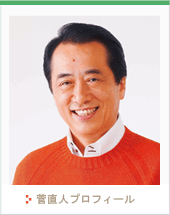
恐らく管首相、岡田幹事長という組み合わせ(コンビ)で、民主党は参議院選挙を
乗り切ろうとするだろう(意外にも、枝野幹事長が内定、自派の番頭役を起用するという、
明らかに旧態依然とした「派閥人事」!)。 しかしながら、鳩山失脚の最大原因である
「沖縄における米軍基地の移転問題」をそのままにしては、国民、特に沖縄住民の怒りが
治まらない! この移転問題を全く白紙に戻し、オバマ政権を説得して、米国領土内にある
グアム島の基地に移転する案を実現するよう努力すべきである。
それには、クリントン(国務長官)やオバマ(大統領)と対等に(通訳なしに直接)
議論(談判)できる英会話の堪能な外相の起用が強く望れる。 さて、管内閣は一
体誰を外相に抜擢するだろうか?
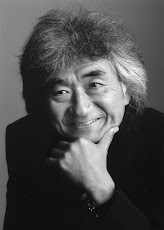
マエストロ「小澤征爾」(74)はどうだろうか? 1973年以来、ボストン・フィルで
指揮者を30年近く務めていた米国滞在経験の長い彼なら、その役割をきっと立派に
果してくれるだろう。今年正月から半年間、食道癌の治療をするため、演奏活動を
休止していると聞いているが、もうそろそろ癌も治ったのではなかろうか。。。
新しい仕事に、再び情熱を燃やしてもらいたいものだ!
もし、小澤さんがまだ闘病中ならば、もう一人、この外相に適任な人物がいる。
ノーベル医学生理学賞(1987年)をもらった利根川 進だ。 彼も海外生活が長く
(半世紀近い)、目下米国ボストンにあるMITの教授と理研の研究所長を兼任し
ていると聞いている。 我々の母校(日比谷高校)の先輩でもある。
彼らは、いわゆる「井戸の中の蛙」ではなく、世界的観点から幅広く物事を観、我
が国の利益を守るために努力するだろう。 従って、従来のどの外相よりも、その
議論にずっと説得力があるのである。
実際に、新内閣のフタを開けてみると、表紙(包装)だけ変えて、(岡田外相の留任を
含めて)中味は全く同じという、旧内閣の「2番煎じ」! 有権者の食欲が進むわけはない!
当然、リベラルな有権者は来たるべき参議院選挙で、この「イカサマ」内閣に対して、
「イエロー・カード」で強い警告を与えるべきだろう。
日米安保と(在日)米軍基地のグアム島への移転
日米安全保障条約(日米安保)は、1960年(岸信介自民党内閣時代)に締結して
以来、既に半世紀経っている。毎年更新制なので、日本政府あるいは米国政府が
条約を破棄、あるいは内容を変更したければ、いつでもできる。この条約が米軍
の日本領土内への駐屯、軍事基地の維持を可能たらしめている。実際には相互防
衛という立場から、日本軍(自衛隊)の米国内への駐屯も可能たらしめているが、
実際には、自衛隊が米国に駐屯、あるいは軍事基地を建設した例はまだない。な
ぜだろうか? 戦後の日本国憲法第9条(戦争放棄)に明らかに抵触するからだ。
つまり、国際紛争の解決に武力行使(軍事行動)をせず、という宣言(誓い)に
違反するからである。
さて、この半世紀内に、日本国土が海外(例えば、ソ連、中国、北朝鮮など)か
ら攻撃を受けた例はないし、日本国内に駐屯する米軍基地が攻撃を受けた例も全
くない。従って、この軍事条約(同盟)はいわば「災害保険」みたいなもので、
もし仮に海外から武力攻撃を受けた場合に、米軍が日本の受ける損害を最小限に
とどめるため、(日本が持ち得ない)武力でその保障をする、という契約に過ぎ
ない。しかしながら、その軍事基地の維持のために、年々日本政府が米国政府に
支払っている防衛予算(保険金!)は莫大なものである。更に、基地のスペース
を直接提供している沖縄住民にとっては、農地の荒廃、空軍の飛行機やヘリコプ
ターによる騒音、墜落による被害、米軍兵士(あるいは将校)による住民(女性
や少女)のレイプが、年々問題になってきた。
そこで、普天間空港移転問題をけっきに、日米安保の必要性、つまり米軍基地の
必要性が改めて、疑問視されてきている。日本国内には、もう米軍基地は必要な
いから、全部米国領土内のグアム島に移転すべきだというのが、福島党首を始め
社民党全体の一貫した意見である。それをするには、日米安保を破棄しなければ
ならない、と主張する輩もいる。しかしながら、米軍による日本国土の防衛に、
沖縄を始め日本国土内に米軍基地を設置しなければならない、というような規定
は条約のどこにも記載されていない。そして、実際に戦争になったら(日本が攻
撃され始めたら)、日本国土内にある基地は余りに危険過ぎて、(戦闘が終結す
るまで)米空軍の戦闘機が基地に着陸することはありえないと、私は思う。例え
ば、卑近な例であるが、昨年、北朝鮮が太平洋に向かって、近距離(あるいは中
距離)ミサイル発射実験をやった際、米空軍の最新戦闘機は大量にグアム島に集
結したが、たった一機も沖縄や本州の基地には飛来しなかった。。。 従って、
(在日)米軍基地のグアム島への移転は日米安保に全く抵触しない!
さらに、米国とフィリピンの間で結ばれた軍事的な同盟、「米比相互防衛条約」は、
朝鮮動乱勃発の前後、1951年8月に調印され、現在でも有効であるが、フィ
リピン国内にある米軍の空軍、海軍基地とも、1992年(ビル・クリントン大
統領時代、米ソ間の冷戦終了後間もなく)、様々な理由で、全部撤収、閉鎖され
た。従って、この軍事同盟の場合も、フィリピン国内の米軍基地の存否は、同盟
それ自身とは無関係である。従って、オバマ政権に(在日)米軍基地の全撤廃、
グアム島への移転を依頼することは、至極論理にかなったものであると、私は確
信している。
乗り切ろうとするだろう(意外にも、枝野幹事長が内定、自派の番頭役を起用するという、
明らかに旧態依然とした「派閥人事」!)。 しかしながら、鳩山失脚の最大原因である
「沖縄における米軍基地の移転問題」をそのままにしては、国民、特に沖縄住民の怒りが
治まらない! この移転問題を全く白紙に戻し、オバマ政権を説得して、米国領土内にある
グアム島の基地に移転する案を実現するよう努力すべきである。
それには、クリントン(国務長官)やオバマ(大統領)と対等に(通訳なしに直接)
議論(談判)できる英会話の堪能な外相の起用が強く望れる。 さて、管内閣は一
体誰を外相に抜擢するだろうか?
マエストロ「小澤征爾」(74)はどうだろうか? 1973年以来、ボストン・フィルで
指揮者を30年近く務めていた米国滞在経験の長い彼なら、その役割をきっと立派に
果してくれるだろう。今年正月から半年間、食道癌の治療をするため、演奏活動を
休止していると聞いているが、もうそろそろ癌も治ったのではなかろうか。。。
新しい仕事に、再び情熱を燃やしてもらいたいものだ!
もし、小澤さんがまだ闘病中ならば、もう一人、この外相に適任な人物がいる。
ノーベル医学生理学賞(1987年)をもらった利根川 進だ。 彼も海外生活が長く
(半世紀近い)、目下米国ボストンにあるMITの教授と理研の研究所長を兼任し
ていると聞いている。 我々の母校(日比谷高校)の先輩でもある。
彼らは、いわゆる「井戸の中の蛙」ではなく、世界的観点から幅広く物事を観、我
が国の利益を守るために努力するだろう。 従って、従来のどの外相よりも、その
議論にずっと説得力があるのである。
実際に、新内閣のフタを開けてみると、表紙(包装)だけ変えて、(岡田外相の留任を
含めて)中味は全く同じという、旧内閣の「2番煎じ」! 有権者の食欲が進むわけはない!
当然、リベラルな有権者は来たるべき参議院選挙で、この「イカサマ」内閣に対して、
「イエロー・カード」で強い警告を与えるべきだろう。
日米安保と(在日)米軍基地のグアム島への移転
日米安全保障条約(日米安保)は、1960年(岸信介自民党内閣時代)に締結して
以来、既に半世紀経っている。毎年更新制なので、日本政府あるいは米国政府が
条約を破棄、あるいは内容を変更したければ、いつでもできる。この条約が米軍
の日本領土内への駐屯、軍事基地の維持を可能たらしめている。実際には相互防
衛という立場から、日本軍(自衛隊)の米国内への駐屯も可能たらしめているが、
実際には、自衛隊が米国に駐屯、あるいは軍事基地を建設した例はまだない。な
ぜだろうか? 戦後の日本国憲法第9条(戦争放棄)に明らかに抵触するからだ。
つまり、国際紛争の解決に武力行使(軍事行動)をせず、という宣言(誓い)に
違反するからである。
さて、この半世紀内に、日本国土が海外(例えば、ソ連、中国、北朝鮮など)か
ら攻撃を受けた例はないし、日本国内に駐屯する米軍基地が攻撃を受けた例も全
くない。従って、この軍事条約(同盟)はいわば「災害保険」みたいなもので、
もし仮に海外から武力攻撃を受けた場合に、米軍が日本の受ける損害を最小限に
とどめるため、(日本が持ち得ない)武力でその保障をする、という契約に過ぎ
ない。しかしながら、その軍事基地の維持のために、年々日本政府が米国政府に
支払っている防衛予算(保険金!)は莫大なものである。更に、基地のスペース
を直接提供している沖縄住民にとっては、農地の荒廃、空軍の飛行機やヘリコプ
ターによる騒音、墜落による被害、米軍兵士(あるいは将校)による住民(女性
や少女)のレイプが、年々問題になってきた。
そこで、普天間空港移転問題をけっきに、日米安保の必要性、つまり米軍基地の
必要性が改めて、疑問視されてきている。日本国内には、もう米軍基地は必要な
いから、全部米国領土内のグアム島に移転すべきだというのが、福島党首を始め
社民党全体の一貫した意見である。それをするには、日米安保を破棄しなければ
ならない、と主張する輩もいる。しかしながら、米軍による日本国土の防衛に、
沖縄を始め日本国土内に米軍基地を設置しなければならない、というような規定
は条約のどこにも記載されていない。そして、実際に戦争になったら(日本が攻
撃され始めたら)、日本国土内にある基地は余りに危険過ぎて、(戦闘が終結す
るまで)米空軍の戦闘機が基地に着陸することはありえないと、私は思う。例え
ば、卑近な例であるが、昨年、北朝鮮が太平洋に向かって、近距離(あるいは中
距離)ミサイル発射実験をやった際、米空軍の最新戦闘機は大量にグアム島に集
結したが、たった一機も沖縄や本州の基地には飛来しなかった。。。 従って、
(在日)米軍基地のグアム島への移転は日米安保に全く抵触しない!
さらに、米国とフィリピンの間で結ばれた軍事的な同盟、「米比相互防衛条約」は、
朝鮮動乱勃発の前後、1951年8月に調印され、現在でも有効であるが、フィ
リピン国内にある米軍の空軍、海軍基地とも、1992年(ビル・クリントン大
統領時代、米ソ間の冷戦終了後間もなく)、様々な理由で、全部撤収、閉鎖され
た。従って、この軍事同盟の場合も、フィリピン国内の米軍基地の存否は、同盟
それ自身とは無関係である。従って、オバマ政権に(在日)米軍基地の全撤廃、
グアム島への移転を依頼することは、至極論理にかなったものであると、私は確
信している。
2010年6月1日火曜日
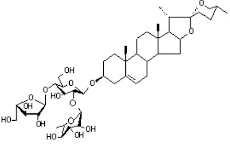
Withaferin A inactivates the oncogenic kinases
PAK1 and AKT.
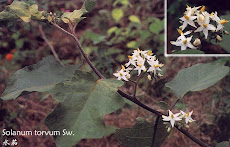
An extract from Ashwagandha (roots or leaves), so-called "Indian Ginseng",
has been used as a Indian traditional herbal medicine (Ayurveda) to treat
several diseases including cancer and inflammation. According to a recently
study by Renu Wadhwa's group at AIST in Japan, the alcoholic extract containing
the anti-cancer steroid "Withaferin A" (WA) inhibits the growth of glioma cells
and their migration/metastasis. It is also known that the WA strongly
inhibits the angiogenesis and inflammation. These observations altogether
strongly suggest, if not proved as yet, that this extract contains an anti-PAK1
ingredient(s), because the oncogenic kinase PAK1 is essential for the growth
of more than 70% of human cancers including glioma, angiogenesis, and metastasis,
as well as inflammatory diseases such as asthma and arthritis.
If so, since WA passes the BBB (blood brain barrier), this extract or WA,
could be potentially useful for the treatment of PAK1-dependent formidable
brain tumors such as glioma, NF (neurofibromatosis) and TSC (tuberous sclerosis)
for which no FDA-approved effective therapeutic is available on the market
as yet, although the NZ propolis extract "Bio 30", a natural anti-PAK1 product
available on the market inexpensively, has been proven to be quite effective
in suppressing the growth of human NF tumors (both NF1 and NF2) and glioma,
as well as pancreatic and breast cancers, in mice, and is currently in trials
for the treating these tumor patients.
Interestingly, in 2007 by Ping Dou's group at Karmanos Cancer Institute
in Detroit, WA (4-8 mg/kg, daily) was found to inhibit the 26S proteasome
of human (PTEN-deficient) prostate cancer (PC-3) xenografts in mice, thereby
inhibiting their growth by 54-70%. Among the proteasome targets, a few tumor
suppressors including p27 and p21, two CDK inhibitors, are significantly
stabilized (accumulated) by WA treatment. Interestingly, p27 is down-regulated
by the oncogenic kinase AKT, whereas p21 is down-regulated by PAK1. In other
words, WA clearly inactivates both AKT and PAK1, suggesting that WA probably
stabilizes the tumor suppressor PTEN, a target of 26S proteasome, just as
does thalidomide (as mentioned previously).
The WA content in Ashwagandha leaves, which is much higher than that in roots,
is 1-2% (10-20 mg/g) depending on the species. Thus, the effective daily
dose of this leave extract could be around 500 mg/kg, if no other ingredient
in this extract enhances the anti-cancer activity of WA. However, the recent in vitro study
by the AIST group suggests otherwise: IC50 of WA alone and the extract
for glioma cell growth appear to be basically same (around 1 micro g/ml).
In other words, the anti-cancer activity of WA might have been boosted
50-100 times by a few other ingredients of this extract.
Furthermore, this extract at the dose (100 mg/kg, twice a week) suppresses
the growth of human fibrosarcoma (HT1080, carrying the oncogenic N-RAS mutant)
xenograft in mice by more than 50%, while WA at the dose (10 mg/kg,
twice a week) has little effect on the tumor growth.
Most surprisingly, the major anti-cancer ingredient in this extract turned out
to be "Withanone", instead of WA.
Thus, it would be worth determining the effective dose of this extract
on the growth of human glioma or NF tumor xenograft in mice as well.
has been used as a Indian traditional herbal medicine (Ayurveda) to treat
several diseases including cancer and inflammation. According to a recently
study by Renu Wadhwa's group at AIST in Japan, the alcoholic extract containing
the anti-cancer steroid "Withaferin A" (WA) inhibits the growth of glioma cells
and their migration/metastasis. It is also known that the WA strongly
inhibits the angiogenesis and inflammation. These observations altogether
strongly suggest, if not proved as yet, that this extract contains an anti-PAK1
ingredient(s), because the oncogenic kinase PAK1 is essential for the growth
of more than 70% of human cancers including glioma, angiogenesis, and metastasis,
as well as inflammatory diseases such as asthma and arthritis.
If so, since WA passes the BBB (blood brain barrier), this extract or WA,
could be potentially useful for the treatment of PAK1-dependent formidable
brain tumors such as glioma, NF (neurofibromatosis) and TSC (tuberous sclerosis)
for which no FDA-approved effective therapeutic is available on the market
as yet, although the NZ propolis extract "Bio 30", a natural anti-PAK1 product
available on the market inexpensively, has been proven to be quite effective
in suppressing the growth of human NF tumors (both NF1 and NF2) and glioma,
as well as pancreatic and breast cancers, in mice, and is currently in trials
for the treating these tumor patients.
Interestingly, in 2007 by Ping Dou's group at Karmanos Cancer Institute
in Detroit, WA (4-8 mg/kg, daily) was found to inhibit the 26S proteasome
of human (PTEN-deficient) prostate cancer (PC-3) xenografts in mice, thereby
inhibiting their growth by 54-70%. Among the proteasome targets, a few tumor
suppressors including p27 and p21, two CDK inhibitors, are significantly
stabilized (accumulated) by WA treatment. Interestingly, p27 is down-regulated
by the oncogenic kinase AKT, whereas p21 is down-regulated by PAK1. In other
words, WA clearly inactivates both AKT and PAK1, suggesting that WA probably
stabilizes the tumor suppressor PTEN, a target of 26S proteasome, just as
does thalidomide (as mentioned previously).
The WA content in Ashwagandha leaves, which is much higher than that in roots,
is 1-2% (10-20 mg/g) depending on the species. Thus, the effective daily
dose of this leave extract could be around 500 mg/kg, if no other ingredient
in this extract enhances the anti-cancer activity of WA. However, the recent in vitro study
by the AIST group suggests otherwise: IC50 of WA alone and the extract
for glioma cell growth appear to be basically same (around 1 micro g/ml).
In other words, the anti-cancer activity of WA might have been boosted
50-100 times by a few other ingredients of this extract.
Furthermore, this extract at the dose (100 mg/kg, twice a week) suppresses
the growth of human fibrosarcoma (HT1080, carrying the oncogenic N-RAS mutant)
xenograft in mice by more than 50%, while WA at the dose (10 mg/kg,
twice a week) has little effect on the tumor growth.
Most surprisingly, the major anti-cancer ingredient in this extract turned out
to be "Withanone", instead of WA.
Thus, it would be worth determining the effective dose of this extract
on the growth of human glioma or NF tumor xenograft in mice as well.
2010年5月14日金曜日
Thalidomide: Anti-PAK/AKT mechanism
underlying its anti-angiogenic, anti-inflammatory
and teratogenic actions.
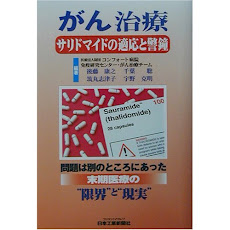
Thalidomide, an old pill used for morning sickness, that causes "teratogenesis"
(limb under-development ) of embryos in the womb of so many pregnant women
during 1950s, also blocks the tumor-induced angiogenesis and inflammation.
Thus, it would be potentially useful for the treatment of solid tumors and
inflammation such as arthritis in "non-pregnant" patients. However, the
molecular mechanism underlying these multi-functions of this drug remained
to be clarified until recently. In 2008, a group led by Juergen Knobloch
at Heinrich Heine University, Duesseldorf, Germany, found that this drug
stabilizes the tumor suppressor PTEN, and thereby blocking the oncogenic
kinases PAK1 and AKT, which are involved in both angiogenesis and inflammation.
as well as limb formation. Thus, like FK228, the most potent HDAC inhibitor
still in clinical trials (phase 2), that eventually activates PTEN gene,
thalidomide would be potentially useful for the therapy of these PAK1/AKT-dependent
diseases. Since this drug passes BBB (blood brain barrier), it would be
effective to suppress the growth of PAK1-dependent brain tumors such as
glioma, NF (neurofibromatosis, in particular NF2) and TSC (tuberous sclerosis)
tumors.
Interestingly, thalidomide causes teratogenesis in human, rabbit and chicken,
but never in either mouse or rat. Why? The same group found the major
reason: this drug induces the taratogenic superoxide, but in mouse and
rat cells an anti-oxidant called GSH (glutathione) is extremely abundant,
compared with human, rabbit and chicken counterparts, and bleaches the superoxide,
so that this drug fails to cause the teratogenesis (under-development of
limbs) in mouse or rat embryos. If the preclinical toxicity test of this
drug were conducted in "pregnant" chicken or rabbit, instead of "pregnant"
mouse or rat, its teratogenic effect had been found, before it was used world-
wide as a pill for pregnant women's morning sickness! Anyhow, a strong anti-
oxidant would protect embryos from the thalidomide-induced teratogenesis
(birth of so-called "angel babies").
It would be worth pointing out that a series of thalidomide derivatives have
been developed by the US company "Celgene" around 2004, and one of them
called "CC-5013" is water-soluble and non-teratogenic, although it is still
anti-angiogenic and anti-inflammatory. In other words blocking angiogenesis
alone would not cause the teratogenesis! CC-5013 is currently in clinical
trials for solid tumors such as MM (multiple myeloma) and inflammatory diseases.
Cereblon: Thalidomide's target for its teratogenesis
http://news.sciencemag.org/sciencenow/2010/03/-thalidomide-ranks-as-one.html
In March this year, a group led by Hiroshi Handa at Tokyo Institute of
Technology (TIT) in Japan, found a direct target of thalidomide that causes
teratogenesis: It is a protein called "cereblon" which is associated with
proteasome (proteolytic complex). Binding of this drug to "cereblon" blocks
the ubiquitin-dependent proteolysis of many proteins, presumably including the tumor
suppressor "PTEN". So I wonder if the non-teratogenic derivatives of thalidomide
such as CC-4047 and CC-5013 developed by "Celgene", which are currently
used mainly for the therapy of the PAK-dependent cancer "MM" (multiple myeloma)
and inflammatory diseases, no longer bind this "cereblon" or not...
(limb under-development ) of embryos in the womb of so many pregnant women
during 1950s, also blocks the tumor-induced angiogenesis and inflammation.
Thus, it would be potentially useful for the treatment of solid tumors and
inflammation such as arthritis in "non-pregnant" patients. However, the
molecular mechanism underlying these multi-functions of this drug remained
to be clarified until recently. In 2008, a group led by Juergen Knobloch
at Heinrich Heine University, Duesseldorf, Germany, found that this drug
stabilizes the tumor suppressor PTEN, and thereby blocking the oncogenic
kinases PAK1 and AKT, which are involved in both angiogenesis and inflammation.
as well as limb formation. Thus, like FK228, the most potent HDAC inhibitor
still in clinical trials (phase 2), that eventually activates PTEN gene,
thalidomide would be potentially useful for the therapy of these PAK1/AKT-dependent
diseases. Since this drug passes BBB (blood brain barrier), it would be
effective to suppress the growth of PAK1-dependent brain tumors such as
glioma, NF (neurofibromatosis, in particular NF2) and TSC (tuberous sclerosis)
tumors.
Interestingly, thalidomide causes teratogenesis in human, rabbit and chicken,
but never in either mouse or rat. Why? The same group found the major
reason: this drug induces the taratogenic superoxide, but in mouse and
rat cells an anti-oxidant called GSH (glutathione) is extremely abundant,
compared with human, rabbit and chicken counterparts, and bleaches the superoxide,
so that this drug fails to cause the teratogenesis (under-development of
limbs) in mouse or rat embryos. If the preclinical toxicity test of this
drug were conducted in "pregnant" chicken or rabbit, instead of "pregnant"
mouse or rat, its teratogenic effect had been found, before it was used world-
wide as a pill for pregnant women's morning sickness! Anyhow, a strong anti-
oxidant would protect embryos from the thalidomide-induced teratogenesis
(birth of so-called "angel babies").
It would be worth pointing out that a series of thalidomide derivatives have
been developed by the US company "Celgene" around 2004, and one of them
called "CC-5013" is water-soluble and non-teratogenic, although it is still
anti-angiogenic and anti-inflammatory. In other words blocking angiogenesis
alone would not cause the teratogenesis! CC-5013 is currently in clinical
trials for solid tumors such as MM (multiple myeloma) and inflammatory diseases.
Cereblon: Thalidomide's target for its teratogenesis
http://news.sciencemag.org/sciencenow/2010/03/-thalidomide-ranks-as-one.html
In March this year, a group led by Hiroshi Handa at Tokyo Institute of
Technology (TIT) in Japan, found a direct target of thalidomide that causes
teratogenesis: It is a protein called "cereblon" which is associated with
proteasome (proteolytic complex). Binding of this drug to "cereblon" blocks
the ubiquitin-dependent proteolysis of many proteins, presumably including the tumor
suppressor "PTEN". So I wonder if the non-teratogenic derivatives of thalidomide
such as CC-4047 and CC-5013 developed by "Celgene", which are currently
used mainly for the therapy of the PAK-dependent cancer "MM" (multiple myeloma)
and inflammatory diseases, no longer bind this "cereblon" or not...
2010年5月8日土曜日
PF-3758309, A New Potent "PAK1/PAK4-6" Inhibitor
A group led by Brion Murray at Pfizer Oncology in San Diego recently developed
a new potent synthetic anti-cancer drug called "PF-3758309" (in short we call
「UNーPAK309」) which inactivates selectively a few members of PAK
family kinases, namely PAK1 as well as group B PAKs (PAK 4-6). It suppresses
the growth of human cancer cells with the IC50 around 5 nM. In vivo (xenografts
in mice), it strongly suppresses the growth of several human cancers at
doses (10-20 mg/kg, twice a day, oral administration). Among the most sensitive
cancers to this drugs are colon, breast, and lung cancers as well as melanoma.
Since brain tumors such as glioma, NF (neurofibromatosis, in particular
NF2) and TSC (tuberous sclerosis) tumors require at least the oncogenic kinase
PAK1 for their growth, in principle, this drug could suppress their growth,
if it is able to pass the BBB (blood brain barrier), as does Bio 30, a CAPE
(caffeic acid phenethyl ester) -rich NZ propolis extract (25 mg/kg, oral,
daily) which selectively blocks the oncogenic PAK1 signaling. According to
Brion, an enzymologist and kinase expert, at least an analogue of this
compound passes the BBB. That is very encouraging!
新規なPAK遮断剤"PF-3758309"
今月初めに、米国カルフォルニア州サンディゴにある世界最大の製薬会社
「ファイザー」の制癌剤開発部が、新規なPAK遮断剤を開発した。化学名は
「PFー3758309」(略称「UNーPAK309」)、人工的に合成された化学薬品
で、PAKファミリーに属するキナーゼの内、主に(発癌性の強い)PAK1と
PAK4ー6を選択的に阻害する薬剤である。細胞培養系で、癌細胞の増殖を
極めて低濃度(IC50=5 nM)で阻害する。ヒト由来の癌を移植したヌード
マウスを、この薬剤で処理(経口投与、日に2回、10ー20mg/kg)すると、
(大腸癌、乳癌、肺癌、メラノーマなど)数種の癌が50%以上の増殖阻害を示す。
脳腫瘍(グリオーマ、NF腫瘍、TSC腫瘍など)の増殖は、PAK1依存性なので、
もし、この薬剤がBBB (血液脳関門)を通過しうるならば、これらの脳腫瘍の
治療にも、将来(恐らく、臨床テストが全部完了するだろう2020年頃には、
世界的に市販され始め)、役立つかもしれない。。。
The Key to Survive Cancers: Un-PAK-Ing for the Longevity
Hiroshi Maruta,
NF CURE Japan, Melbourne, Australia
PREFACE:
PAK is a family of Ser/Thr kinases, present in all eukaryotes from yeast to human, that are activated by GTPases RAC and CDC42. PAK family kinases, in particular PAK1, are required for the growth of more than 70% of all human cancers, in particular solid tumors such as breast, prostate, pancreatic, colon, gastric, lung, cervical, ovarian, and thyroid cancers as well as glioma, melanoma, hepatoma, MM (multiple myeloma), NF (neurofibromatosis) and TSC (tuberous sclerosis). PAK1 is essential not only for the malignant (anchorage-independent) growth of cancer cells, but also for their metastasis and angiogenesis. Furthermore, it is not essential for the normal cell growth. Thus, synthetic chemicals or natural products, that un-PAK (block the oncogenic PAK1 signaling), would be useful for the therapy of these PAK1-dependent tumors, without any adverse effect on normal tissues. Although only a few un-PAKing (anti-PAK) chemicals such as DPM (dipyridamole), Metformin, and SAHA, are currently available on the market, a variety of natural anti-PAK products are available on the market, and the latter are very inexpensive and far safer. These include a bee product called propolis, curcumin in Indian curry, berberine, resveratrol in red grapes, capsaicin/capsiate in Chili pepper or its non-pungent variant, (Chinese or Okinawa) bitter melons, Sichuan pepper and an old antibiotic called Ivermectin.
More interestingly, these natural anti-PAK products activate another kinase called LKB1, a tumor suppressor that activates another kinase called AMPK (AMP-activated kinase), and inactivates PAK1 simultaneously. Eventually the tumor suppressive LKB1-AMPK signaling cascade activates not only GLUT-4, a glucose transporter essential for uptake of blood glucose into cells, but also the tumor suppressive transcription factor called "FOXO" which is essential for the longevity. Also AMPK activators are known to stimulate lipid metabolism (consumption). Thus, the anti-PAK products would be useful for the therapy of both type 2 (insulin-resistant) diabetes and obesity, and eventually serve as elixirs that promote the longevity in good health.
It should also be worth noting that there are several non-cancerous diseases which require the kinase PAK1: AIDS (HIV-infection), inflammatory diseases such as asthma and arthritis, neuronal degenerating diseases such as Alzheimer's (AD) and Huntington's (HD), and an autism called Fragile X-syndrome. These PAK1-dependent diseases could also be treated by these anti-PAK products. Thus, the potential market value of these anti-PAK products, either synthetic chemicals or natural products, would be huge in the future. Here an inexpensive and quick in vivo system using a tiny glowing "GFP-HSP16" nematode (CL2070) is introduced, that would facilitate the screening for anti-PAK products, and eventually could be revolutionized by the automation on 96-well micro-titer plates with a fluorescence reader.
In the end, I shall introduce two potent anti-PAK drugs, FK228 and UN-PAK309, which are in clinical trials for cancers. FK228 is the most potent HDAC (histone deacetylase) inhibitor which eventually blocks PAK1 with the IC50 far below 1 nM in cells. UN-PAK309 is the direct PAK1 inhibitor with the IC50 around 5 nM in cells. Although FK228 fails to pass the BBB (blood brain barrier), it is likely that UN-PAK309 passes the BBB, suggesting that the latter could be useful for the therapy of brain tumors such as glioma, NF and TSC tumors in the future.
a new potent synthetic anti-cancer drug called "PF-3758309" (in short we call
「UNーPAK309」) which inactivates selectively a few members of PAK
family kinases, namely PAK1 as well as group B PAKs (PAK 4-6). It suppresses
the growth of human cancer cells with the IC50 around 5 nM. In vivo (xenografts
in mice), it strongly suppresses the growth of several human cancers at
doses (10-20 mg/kg, twice a day, oral administration). Among the most sensitive
cancers to this drugs are colon, breast, and lung cancers as well as melanoma.
Since brain tumors such as glioma, NF (neurofibromatosis, in particular
NF2) and TSC (tuberous sclerosis) tumors require at least the oncogenic kinase
PAK1 for their growth, in principle, this drug could suppress their growth,
if it is able to pass the BBB (blood brain barrier), as does Bio 30, a CAPE
(caffeic acid phenethyl ester) -rich NZ propolis extract (25 mg/kg, oral,
daily) which selectively blocks the oncogenic PAK1 signaling. According to
Brion, an enzymologist and kinase expert, at least an analogue of this
compound passes the BBB. That is very encouraging!
新規なPAK遮断剤"PF-3758309"
今月初めに、米国カルフォルニア州サンディゴにある世界最大の製薬会社
「ファイザー」の制癌剤開発部が、新規なPAK遮断剤を開発した。化学名は
「PFー3758309」(略称「UNーPAK309」)、人工的に合成された化学薬品
で、PAKファミリーに属するキナーゼの内、主に(発癌性の強い)PAK1と
PAK4ー6を選択的に阻害する薬剤である。細胞培養系で、癌細胞の増殖を
極めて低濃度(IC50=5 nM)で阻害する。ヒト由来の癌を移植したヌード
マウスを、この薬剤で処理(経口投与、日に2回、10ー20mg/kg)すると、
(大腸癌、乳癌、肺癌、メラノーマなど)数種の癌が50%以上の増殖阻害を示す。
脳腫瘍(グリオーマ、NF腫瘍、TSC腫瘍など)の増殖は、PAK1依存性なので、
もし、この薬剤がBBB (血液脳関門)を通過しうるならば、これらの脳腫瘍の
治療にも、将来(恐らく、臨床テストが全部完了するだろう2020年頃には、
世界的に市販され始め)、役立つかもしれない。。。
The Key to Survive Cancers: Un-PAK-Ing for the Longevity
Hiroshi Maruta,
NF CURE Japan, Melbourne, Australia
PREFACE:
PAK is a family of Ser/Thr kinases, present in all eukaryotes from yeast to human, that are activated by GTPases RAC and CDC42. PAK family kinases, in particular PAK1, are required for the growth of more than 70% of all human cancers, in particular solid tumors such as breast, prostate, pancreatic, colon, gastric, lung, cervical, ovarian, and thyroid cancers as well as glioma, melanoma, hepatoma, MM (multiple myeloma), NF (neurofibromatosis) and TSC (tuberous sclerosis). PAK1 is essential not only for the malignant (anchorage-independent) growth of cancer cells, but also for their metastasis and angiogenesis. Furthermore, it is not essential for the normal cell growth. Thus, synthetic chemicals or natural products, that un-PAK (block the oncogenic PAK1 signaling), would be useful for the therapy of these PAK1-dependent tumors, without any adverse effect on normal tissues. Although only a few un-PAKing (anti-PAK) chemicals such as DPM (dipyridamole), Metformin, and SAHA, are currently available on the market, a variety of natural anti-PAK products are available on the market, and the latter are very inexpensive and far safer. These include a bee product called propolis, curcumin in Indian curry, berberine, resveratrol in red grapes, capsaicin/capsiate in Chili pepper or its non-pungent variant, (Chinese or Okinawa) bitter melons, Sichuan pepper and an old antibiotic called Ivermectin.
More interestingly, these natural anti-PAK products activate another kinase called LKB1, a tumor suppressor that activates another kinase called AMPK (AMP-activated kinase), and inactivates PAK1 simultaneously. Eventually the tumor suppressive LKB1-AMPK signaling cascade activates not only GLUT-4, a glucose transporter essential for uptake of blood glucose into cells, but also the tumor suppressive transcription factor called "FOXO" which is essential for the longevity. Also AMPK activators are known to stimulate lipid metabolism (consumption). Thus, the anti-PAK products would be useful for the therapy of both type 2 (insulin-resistant) diabetes and obesity, and eventually serve as elixirs that promote the longevity in good health.
It should also be worth noting that there are several non-cancerous diseases which require the kinase PAK1: AIDS (HIV-infection), inflammatory diseases such as asthma and arthritis, neuronal degenerating diseases such as Alzheimer's (AD) and Huntington's (HD), and an autism called Fragile X-syndrome. These PAK1-dependent diseases could also be treated by these anti-PAK products. Thus, the potential market value of these anti-PAK products, either synthetic chemicals or natural products, would be huge in the future. Here an inexpensive and quick in vivo system using a tiny glowing "GFP-HSP16" nematode (CL2070) is introduced, that would facilitate the screening for anti-PAK products, and eventually could be revolutionized by the automation on 96-well micro-titer plates with a fluorescence reader.
In the end, I shall introduce two potent anti-PAK drugs, FK228 and UN-PAK309, which are in clinical trials for cancers. FK228 is the most potent HDAC (histone deacetylase) inhibitor which eventually blocks PAK1 with the IC50 far below 1 nM in cells. UN-PAK309 is the direct PAK1 inhibitor with the IC50 around 5 nM in cells. Although FK228 fails to pass the BBB (blood brain barrier), it is likely that UN-PAK309 passes the BBB, suggesting that the latter could be useful for the therapy of brain tumors such as glioma, NF and TSC tumors in the future.
2010年5月7日金曜日
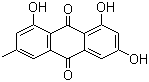
抗癌性の海洋産物「SZー685C」はPAK遮断剤!
2010年になって、中国の広東省にある孫文大学のジー・ユアン(袁)教授の
研究室が南シナ海沿岸のマングローブに寄生するカビの一種が生産する抗生物質
で、アントラキノン誘導体「SZー685C」が抗癌作用を持つことを発見した。
この抗癌メカニズムを研究しているうちに、発癌性のあるキナーゼであるAKT
とPAK1が抑制されていることを見つけた。というのは、これらのキナーゼは、
その下流にある抗癌性の転写蛋白「FOXO3a」と「FOXO1」をそれぞれ
燐酸化して、失活させることが既にわかっていたが、この抗生物質が乳癌細胞中
のこれらのFOXOの燐酸化を強く抑えることを突き止めた。 従って、この海洋
産物は、癌やNFなどのPAK依存性の難病を治癒するばかりでなく、FOXOを
介して寿命を延ばす効果もあることが示唆される。更に、面白いことには、
この抗生物質の化学構造がPAK遮断剤である「エモディン」に極めて類似
している。 従って、「エモディン」同様、AMPKを活性化して、血糖値を下げ
ることによって、タイプ2型の糖尿病の治療にも役立つという可能性も出てきた。
研究室が南シナ海沿岸のマングローブに寄生するカビの一種が生産する抗生物質
で、アントラキノン誘導体「SZー685C」が抗癌作用を持つことを発見した。
この抗癌メカニズムを研究しているうちに、発癌性のあるキナーゼであるAKT
とPAK1が抑制されていることを見つけた。というのは、これらのキナーゼは、
その下流にある抗癌性の転写蛋白「FOXO3a」と「FOXO1」をそれぞれ
燐酸化して、失活させることが既にわかっていたが、この抗生物質が乳癌細胞中
のこれらのFOXOの燐酸化を強く抑えることを突き止めた。 従って、この海洋
産物は、癌やNFなどのPAK依存性の難病を治癒するばかりでなく、FOXOを
介して寿命を延ばす効果もあることが示唆される。更に、面白いことには、
この抗生物質の化学構造がPAK遮断剤である「エモディン」に極めて類似
している。 従って、「エモディン」同様、AMPKを活性化して、血糖値を下げ
ることによって、タイプ2型の糖尿病の治療にも役立つという可能性も出てきた。
2010年5月5日水曜日
OSU-03012: How can this direct PAK1 inhibitor
activate the kinase AMPK?
So far all these anti-PAK1 products that activate the tumor suppressing
LKB1/AMPK kinase cascade are natural products (CAPE, curcumin, resveratrol,
capsaicin/capsiate, emodin, metformin and salidroside) and not ATP antagonists
that bind directly the ATP-binding pocket of the oncogenic kinase PAK1.
However, according to the 2007 paper from Mathew Ringel's group at OSU (Ohio
State University), the synthetic chemical compound 「OSU-03012」 is clearly
an ATP antagonist that binds the ATP-binding pocket of PAK1 and inactivate
this kinase. Interestingly, in 2010 Chang Fang Chiu's group at China
Medical University in Taiwan found that this ATP antagonist activates AMPK,
but only in the presence of “Gleevec” (ABL/c-Kit inhibitor)...
Well, in a common sense of enzymologists, it is very unlikely that
the ATP antagonist (competitive inhibitor!) activate this kinase by
its direct binding to the ATP-binding pocket of AMPK or its activator LKB1.
Thus, it is more likely that its inhibition of PAK1 indirectly leads to
the activation of the LKB1-AMPK cascade somehow. The most likely scenario
would be that PAK1 normally inactivates either LKB1 or AMPK, and OSU-03012
reactivates this kinase cascade by blocking PAK1. If this notion is proven
to be true, the "equation" (Un-PAKing=Activating LKB1/AMPK) for health and
longevity would be fully established in both directions:
LKB1 inactivates PAK1, and PAK1 inactivates LKB1/AMPK.
In this context, it would be of great interest to note that the tumor suppressor
"Merlin", an NF2 gene product, directly inactivates the oncogenic kinase
PAK1, whereas PAK1 phosphoryaltes "Merlin" at Ser 518 to inactivate its
tumor suppressor activity. Such a precedent makes us imagine (laterally
think!) that the tumor suppressor LKB1 inactivates PAK1, whereas PAK1 blocks
the tumor suppressive LKB1/AMPK kinase cascade.
LKB1/AMPK kinase cascade are natural products (CAPE, curcumin, resveratrol,
capsaicin/capsiate, emodin, metformin and salidroside) and not ATP antagonists
that bind directly the ATP-binding pocket of the oncogenic kinase PAK1.
However, according to the 2007 paper from Mathew Ringel's group at OSU (Ohio
State University), the synthetic chemical compound 「OSU-03012」 is clearly
an ATP antagonist that binds the ATP-binding pocket of PAK1 and inactivate
this kinase. Interestingly, in 2010 Chang Fang Chiu's group at China
Medical University in Taiwan found that this ATP antagonist activates AMPK,
but only in the presence of “Gleevec” (ABL/c-Kit inhibitor)...
Well, in a common sense of enzymologists, it is very unlikely that
the ATP antagonist (competitive inhibitor!) activate this kinase by
its direct binding to the ATP-binding pocket of AMPK or its activator LKB1.
Thus, it is more likely that its inhibition of PAK1 indirectly leads to
the activation of the LKB1-AMPK cascade somehow. The most likely scenario
would be that PAK1 normally inactivates either LKB1 or AMPK, and OSU-03012
reactivates this kinase cascade by blocking PAK1. If this notion is proven
to be true, the "equation" (Un-PAKing=Activating LKB1/AMPK) for health and
longevity would be fully established in both directions:
LKB1 inactivates PAK1, and PAK1 inactivates LKB1/AMPK.
In this context, it would be of great interest to note that the tumor suppressor
"Merlin", an NF2 gene product, directly inactivates the oncogenic kinase
PAK1, whereas PAK1 phosphoryaltes "Merlin" at Ser 518 to inactivate its
tumor suppressor activity. Such a precedent makes us imagine (laterally
think!) that the tumor suppressor LKB1 inactivates PAK1, whereas PAK1 blocks
the tumor suppressive LKB1/AMPK kinase cascade.
登録:
投稿 (Atom)











![リオ五輪男子体操団体:日本(金)、ロシア[銀]、中国[銅]。](https://blogger.googleusercontent.com/img/b/R29vZ2xl/AVvXsEjHS61FORcH43CteZVfJzLmbqvNwOIliOSMpTpRtEi7x8j1ZwPk5rDaZovTrwuZxfDDtdEDSj673it735LF0mweIunaj7ja07lURBDYTV6wPMaAlumFt3aWWzYbHZgIaxcOLk_OKEMyQ3lX/s1600/2016+taiso+gold.jpg)
![皇太子(明仁)による沖縄訪問 [1975年]](https://blogger.googleusercontent.com/img/b/R29vZ2xl/AVvXsEjvSQrzV7yw_4gVQSwxZP_jh4VnEJscSqOqbiBh0VdAK3CRddXRqkd70JdLyws9fGejk-FGVmXWbHvSxlF3f8UogTyf9KXbqU1NGXesvcx2Hlsd6uq81AHweeioc61wynq3d2IYuyolijgT/s1600/akihito+message.jpg)











![アルニカ [ウサギ菊]](https://blogger.googleusercontent.com/img/b/R29vZ2xl/AVvXsEilqv0qou-4NpoUh1PFWYK0FSaozKazee0VYGxsFtfjBma46ya9yxqB6X9Ziuob25tNRpBbnFIcUFlOEjz1WcAjVNzjGl1E-QbDgE7VOLkjZDx0eplJ1WJHf0fTEWXxf8F5G-cHUhqHELY9/s1600/ArnicaS.jpg)








.jpg)








































.jpg)