7月に予定されている参議院選挙で民主党が過半数を獲得するためには、
内閣の大幅改造で民主党政権の「イメージ・チェンジ」が必要であろう。まず
(金銭問題に引続き疑惑を残す)小沢さんは幹事長を辞めるべきだ。
次に(小沢さんの「傀儡」らしい)鳩山さんも首相を辞めるべきだ。
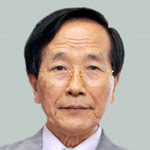
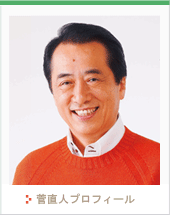
代わって、清廉潔白そうな岡田さんが首相に就任、(人望が厚い)管さんが幹事
長になるべきである。そして、(自民党政権の名残り、反民主党色の強い)検察
庁トップの人事移動も断行すべきであろう。それが、民主党による長期安定政権
への道普請である。
民主党が「理想の政党」とは言いがたいが、自民党よりもずっとましであり、他
の少数政党(公明党、共産党、社民党など)には政権を担当する能力が全くない
から、「次善の策」として、選挙(小選挙区)で民主党を支持するに過ぎない。
2010年1月19日火曜日

2009年12月27日日曜日
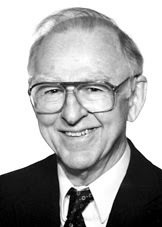
Edwin Krebs (1918-2009), A Great Pioneer in Kinase Research
Those who have ever studied the reversible phosphorylation of proteins would
owe much both Edwin Krebs and his colleague Edmond Fischer at University
of Washington in Seattle. In 1950s they found the first protein kinase,
phosphorylase kinase (PK), which phosphorylates and activates the enzyme
glycogen phosphorylase (GP). This phosphorylase catalyzes the hydrolysis
of glycogen, supplying the glucose essential for a variety of our actions
such as muscle contraction and learning. PK also requires the phosphorylation
by another kinase called PKA (cyclic AMP-dependent kinase). cyclic AMP (cAMP)
is a second messenger that is produced by adenylate cyclase (AC) from ATP.
AC is activated by a GTPase (or G protein) called Gs. Thus,
A G protein activates this kinase cascade through the second messenger cAMP.
A similar G protein-kinase cascade was found around 1994, when Ed Manser
in Singapore cloned the first mammalian member of PAK family (PAK1) in brain.
This kinase (PAK1) is directly activated by another G protein family (RAC
and CDC42).
Later it was found that RAC/CDC42 is down stream of another kinase (PI-3
kinase) which is directly activated by the oncogenic G protein RAS. In
other words PAK1
mediates the oncogenic signal of RAS, and is essential for the growth of
more than 70% of all human cancers including breast and prostate cancers
and NF (neurofibromatosis) tumors. In addition, PAK1 is essential for both
metastasis and angiogenesis of these solid tumors. Since PAK1 is not essential
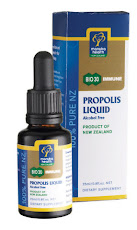
for the normal cell growth, anti-PAK1 drugs such as Bio 30 (NZ propolis
extract) would be powerful therapeutics for the treatment of these PAK1-dependent
cancers and NF without any side effect. Thus, cancer and NF patients should
greatly appreciate the discovery of the first kinase cascade (PKA-PK-GP)
during 1950s-1960s, which eventually led to the discovery of the oncogenic
RAS-PI-3 kinase-RAC/CDC42-PAK1 signal cascade in 1990s.
Accordingly, the 1992 Nobel prize in Physiology/Medicine was awarded to
Edwin Krebs and Edmond Fischer.
owe much both Edwin Krebs and his colleague Edmond Fischer at University
of Washington in Seattle. In 1950s they found the first protein kinase,
phosphorylase kinase (PK), which phosphorylates and activates the enzyme
glycogen phosphorylase (GP). This phosphorylase catalyzes the hydrolysis
of glycogen, supplying the glucose essential for a variety of our actions
such as muscle contraction and learning. PK also requires the phosphorylation
by another kinase called PKA (cyclic AMP-dependent kinase). cyclic AMP (cAMP)
is a second messenger that is produced by adenylate cyclase (AC) from ATP.
AC is activated by a GTPase (or G protein) called Gs. Thus,
A G protein activates this kinase cascade through the second messenger cAMP.
A similar G protein-kinase cascade was found around 1994, when Ed Manser
in Singapore cloned the first mammalian member of PAK family (PAK1) in brain.
This kinase (PAK1) is directly activated by another G protein family (RAC
and CDC42).
Later it was found that RAC/CDC42 is down stream of another kinase (PI-3
kinase) which is directly activated by the oncogenic G protein RAS. In
other words PAK1
mediates the oncogenic signal of RAS, and is essential for the growth of
more than 70% of all human cancers including breast and prostate cancers
and NF (neurofibromatosis) tumors. In addition, PAK1 is essential for both
metastasis and angiogenesis of these solid tumors. Since PAK1 is not essential
for the normal cell growth, anti-PAK1 drugs such as Bio 30 (NZ propolis
extract) would be powerful therapeutics for the treatment of these PAK1-dependent
cancers and NF without any side effect. Thus, cancer and NF patients should
greatly appreciate the discovery of the first kinase cascade (PKA-PK-GP)
during 1950s-1960s, which eventually led to the discovery of the oncogenic
RAS-PI-3 kinase-RAC/CDC42-PAK1 signal cascade in 1990s.
Accordingly, the 1992 Nobel prize in Physiology/Medicine was awarded to
Edwin Krebs and Edmond Fischer.
2009年12月24日木曜日
RNA Editing Genes Determine
the Longevity of Human and Nematode
The (tumor suppressing) transcription factor "FOXO" is known to play the
key role in determining the life span of human and nematode. The kinase
cascade including LKB1 and AMPK activates FOXO, leading to the expansion
of life span, whereas the kinases AKT and PAK1 inactivate FOXO, leading
to the shortening of life span. There are several natural products that
both activate LKB1/AMPK and inactivate PAK1, leading to the expansion of
life span: CAPE (caffeic acid phenethyl ester) from Propolis, Curcumin
from Indian Curry, Capsaicin from Chili Pepper, Resveratrol from Red Grapes,
and Berberine. Thus, these products are among natural "Elixirs".
Recently, Paola Sebastiani's group at Boston University found that RNA editing
genes, ADR-1 and ADR-2, as well as RNA interfering gene RDE-1, also play
the key role in determining the life span of both human beings and nematodes
such as C. elegans. Dysfunction of RNA editing genes increases the RNA interfering activity of RDEs, and shortens the life span of nematode by 50%. Interestingly, however, dysfunction of RDE-1 gene could rescue the above (short-lived) nematode from the premature death. Thus, like the oncogenic kinases PAK1 and AKT, RDE-1 appears to shorten the life span by its RNA interfering activity (blocking the translation of its specific target genes which still remain to be identified).
Since Hsp16 (encoding a heat shock protein) is among the key genes downstream
of FOXO contributing to the expansion of life span, it is possible that
RDE-1 might block the translation of Hsp16 (or FOXO) RNA. We recently found that PAK1 blocks the expression of Hsp16 gene, and CAPE can re-activate Hsp16 gene
by inactivating PAK1. Also it would be of great interest to see if these natural elixirs activate ADRs or inactivate RDEs somehow.
key role in determining the life span of human and nematode. The kinase
cascade including LKB1 and AMPK activates FOXO, leading to the expansion
of life span, whereas the kinases AKT and PAK1 inactivate FOXO, leading
to the shortening of life span. There are several natural products that
both activate LKB1/AMPK and inactivate PAK1, leading to the expansion of
life span: CAPE (caffeic acid phenethyl ester) from Propolis, Curcumin
from Indian Curry, Capsaicin from Chili Pepper, Resveratrol from Red Grapes,
and Berberine. Thus, these products are among natural "Elixirs".
Recently, Paola Sebastiani's group at Boston University found that RNA editing
genes, ADR-1 and ADR-2, as well as RNA interfering gene RDE-1, also play
the key role in determining the life span of both human beings and nematodes
such as C. elegans. Dysfunction of RNA editing genes increases the RNA interfering activity of RDEs, and shortens the life span of nematode by 50%. Interestingly, however, dysfunction of RDE-1 gene could rescue the above (short-lived) nematode from the premature death. Thus, like the oncogenic kinases PAK1 and AKT, RDE-1 appears to shorten the life span by its RNA interfering activity (blocking the translation of its specific target genes which still remain to be identified).
Since Hsp16 (encoding a heat shock protein) is among the key genes downstream
of FOXO contributing to the expansion of life span, it is possible that
RDE-1 might block the translation of Hsp16 (or FOXO) RNA. We recently found that PAK1 blocks the expression of Hsp16 gene, and CAPE can re-activate Hsp16 gene
by inactivating PAK1. Also it would be of great interest to see if these natural elixirs activate ADRs or inactivate RDEs somehow.
2009年12月6日日曜日
たんぽぽの葉は、 食用 にも薬用にもなる!
http://www.geocities.co.jp/NatureLand/1351/recipe.htm
初夏になり、引っ越したばかりの我が新居の庭一面に生え始めているのに気づき、
開花前の柔かい葉を選んでは採集し、水で簡単に洗ったのち、生でサラダ代わりに
食べたり、ラーメンに入れて「山菜ラーメン」を作ったりしている。
多少苦味はあるが、野菜不足の解消に十分なるわいとすっかり満足していたら、
驚くなかれ(良薬は口に苦し!)、最近(2008年)の英文医学雑誌を調べて
みると、 西洋たんぽぽ (Taraxacum officinale) の葉 (水エキス)には乳癌
などのPAK依存性の癌の増殖や転移を抑える作用があることが、(ナバホ族の子孫が
多く住む)米国ニューメキシコ州の首都(アルバカーキー)にある大学の研究
グループによって、発見されていることが判明した。 更に10年ほど前には、
京都薬科大学の研究グループが、日本産のたんぽぽ(根)にも制癌作用がある
ことを薬学雑誌に発表している。けだし、中国では漢方薬の1つ「蒲公英」として、
昔から使用されているそうである。アラビア人も北米のインディアンも伝承薬として、
使っているようだ。 先人の英知に痛く感服した。
癌の予防にもなるが、末期の肺癌にも効く!
http://www.healingcancernaturally.com/dandelion-taraxacum-root-cures.html
初夏になり、引っ越したばかりの我が新居の庭一面に生え始めているのに気づき、
開花前の柔かい葉を選んでは採集し、水で簡単に洗ったのち、生でサラダ代わりに
食べたり、ラーメンに入れて「山菜ラーメン」を作ったりしている。
多少苦味はあるが、野菜不足の解消に十分なるわいとすっかり満足していたら、
驚くなかれ(良薬は口に苦し!)、最近(2008年)の英文医学雑誌を調べて
みると、 西洋たんぽぽ (Taraxacum officinale) の葉 (水エキス)には乳癌
などのPAK依存性の癌の増殖や転移を抑える作用があることが、(ナバホ族の子孫が
多く住む)米国ニューメキシコ州の首都(アルバカーキー)にある大学の研究
グループによって、発見されていることが判明した。 更に10年ほど前には、
京都薬科大学の研究グループが、日本産のたんぽぽ(根)にも制癌作用がある
ことを薬学雑誌に発表している。けだし、中国では漢方薬の1つ「蒲公英」として、
昔から使用されているそうである。アラビア人も北米のインディアンも伝承薬として、
使っているようだ。 先人の英知に痛く感服した。
癌の予防にもなるが、末期の肺癌にも効く!
http://www.healingcancernaturally.com/dandelion-taraxacum-root-cures.html
Towards the Development of a New "Red Propolis"
Based on Sichuan Pepper (Hua Jiao)
A few years ago we found that Hua Jiao fruits (Chinese red peppercorns)
contain an anti-PAK ingredient which can be extracted by 70% ethanol (or
warm-water), and suppress the growth of cancers and NF tumor xenografts
in mice (Hirokawa, Y. et al, 2006). Since this extract has a rather bitter
(not spicy) taste, we tried to commercialize the dried power of this extract
blended with an NZ honey to add a sweet taste under the brand name "Honey
Pepper" as the first effective therapeutic for NF (neurofibromatosis) and
PAK-dependent cancers such as pancreatic and colon cancers, for which no
effective therapeutic was available on the market. However, no company
got interested in this project. Perhaps it might be too "inexpensive" for
the commercialization.
A year later we found that one of NZ propolis extracts called "Bio 30" also
suppresses the growth of PAK-dependent cancers and NF tumor xenografts in
mice (Demestre, M. et al, 2009). Bio 30 is an inexpensive CAPE (caffeic
acid phenethyl ester)-rich water-miscible extract of NZ propolis from Manuka
Health based in Auckland, NZ, and selectively blocks the oncogenic kinase
PAK by down-regulating the GTPase RAC. One minor problem with this extract
is that its major anti-cancer ingredient (CAPE) causes a skin allergy to
1-2% of population including myself (!).
Shortly thereafter we found that another propolis extract called GPE, Brazilian
green propolis extract from Yamada Bee Farm in Japan, also suppresses the
growth of NF tumors and PAK-dependent cancers by blocking the kinase PAK
(Messerli, S. et al, 2009). GPE contains no CAPE, but another anti-cancer
polyphenol called ARC (artepillin C) that inactivates PAK. This extract
does not cause any allergic reaction, but is far more expensive than Bio
30 (which costs only a dollar for daily treatment).
Interestingly, Brazilian "red propolis" extract (RPE) also appears to inactivate
the kinase PAK, as it suppresses the growth of pancreatic cancer, although
it contains neither CAPE nor ARC. These findings strongly suggest that
honey bees have a natural instinct to collect anti-PAK ingredients from
a variety of trees (or shrubs) such as poplar to make propolis (bee hive)
for protecting their larva from a variety of harmful pathogens such as bacteria,
fungi, viruses, etc. However, RPE is as expensive as GPE. More recently,
I heard that there is another "red propolis" in China which appears to be
based on CAPE. However, this Chinese red propolis is not available on the
market as yet.
Thus, I got a new idea that honey bees could collect the anti-PAK ingredient
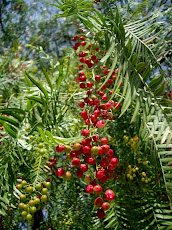
from red fruits (peppercorns) of the Chinese "Hua Jiao" to produce an inexpensive
"red propolis" which would be useful for the therapy of both NF and cancers.
The key for this future project would be how to condition honey bees towards
this red peppercorn. Honey bees can memorize colors (in particular yellow
and violet), sweet taste of sugars and aromatic scent. So if the aromatic
alcohol extract of Hua Jiao is mixed with honey and spotted on a red paper,
in theory honey bees would approach this sweet aromatic red paper, learning
that the aromatic red fruits could be among their potentially favorable sources
of sweet honey. Once they could locate Hua Jiao, they would become addicted
to its anti-PAK ingredient whose chemical nature nobody has identified as
yet. Once the new "red propolis" is produced in my garden (bee farm), we
shall make the ethanol extract of this propolis to confirm its anti-PAK
and anti-cancer potential in vitro and in vivo.
However, commercialization of this OZ red propolis extract called "HJ propolis"
would eventually need the chemical identification of this anti-PAK ingredient
in this propolis (or Hua Jiao) to standardize its content in this new propolis
product. Thus, it might be a life-long (certainly time-consuming) project
towards the commercialization. Generally speaking, natural anti-PAK products
including "Natto" and propolis would have a potentially huge market value,
simply because they would be useful not only for cancers and NF, but also
several other PAK-dependent formidable diseases such as Alzheimer's (AD),
Huntington's (HD), AIDS, inflammatory diseases (Asthma and arthritis), epilepsy,
type-2 diabetes, hypertension, HCM (hypertrophic cardiomyopathy ) and malaria.
We prefer to developing an inexpensive one if possible, because it would
be far more "democratic", as it could offer a benefit not only the very
rich people, but also the very poor, even for a life-long treatment if
necessary. These diseases never discriminate the rich and the poor. So the
therapeutics should not. Thus, it would be worth trying to develop this
inexpensive red propolis in my own garden.
contain an anti-PAK ingredient which can be extracted by 70% ethanol (or
warm-water), and suppress the growth of cancers and NF tumor xenografts
in mice (Hirokawa, Y. et al, 2006). Since this extract has a rather bitter
(not spicy) taste, we tried to commercialize the dried power of this extract
blended with an NZ honey to add a sweet taste under the brand name "Honey
Pepper" as the first effective therapeutic for NF (neurofibromatosis) and
PAK-dependent cancers such as pancreatic and colon cancers, for which no
effective therapeutic was available on the market. However, no company
got interested in this project. Perhaps it might be too "inexpensive" for
the commercialization.
A year later we found that one of NZ propolis extracts called "Bio 30" also
suppresses the growth of PAK-dependent cancers and NF tumor xenografts in
mice (Demestre, M. et al, 2009). Bio 30 is an inexpensive CAPE (caffeic
acid phenethyl ester)-rich water-miscible extract of NZ propolis from Manuka
Health based in Auckland, NZ, and selectively blocks the oncogenic kinase
PAK by down-regulating the GTPase RAC. One minor problem with this extract
is that its major anti-cancer ingredient (CAPE) causes a skin allergy to
1-2% of population including myself (!).
Shortly thereafter we found that another propolis extract called GPE, Brazilian
green propolis extract from Yamada Bee Farm in Japan, also suppresses the
growth of NF tumors and PAK-dependent cancers by blocking the kinase PAK
(Messerli, S. et al, 2009). GPE contains no CAPE, but another anti-cancer
polyphenol called ARC (artepillin C) that inactivates PAK. This extract
does not cause any allergic reaction, but is far more expensive than Bio
30 (which costs only a dollar for daily treatment).
Interestingly, Brazilian "red propolis" extract (RPE) also appears to inactivate
the kinase PAK, as it suppresses the growth of pancreatic cancer, although
it contains neither CAPE nor ARC. These findings strongly suggest that
honey bees have a natural instinct to collect anti-PAK ingredients from
a variety of trees (or shrubs) such as poplar to make propolis (bee hive)
for protecting their larva from a variety of harmful pathogens such as bacteria,
fungi, viruses, etc. However, RPE is as expensive as GPE. More recently,
I heard that there is another "red propolis" in China which appears to be
based on CAPE. However, this Chinese red propolis is not available on the
market as yet.
Thus, I got a new idea that honey bees could collect the anti-PAK ingredient
from red fruits (peppercorns) of the Chinese "Hua Jiao" to produce an inexpensive
"red propolis" which would be useful for the therapy of both NF and cancers.
The key for this future project would be how to condition honey bees towards
this red peppercorn. Honey bees can memorize colors (in particular yellow
and violet), sweet taste of sugars and aromatic scent. So if the aromatic
alcohol extract of Hua Jiao is mixed with honey and spotted on a red paper,
in theory honey bees would approach this sweet aromatic red paper, learning
that the aromatic red fruits could be among their potentially favorable sources
of sweet honey. Once they could locate Hua Jiao, they would become addicted
to its anti-PAK ingredient whose chemical nature nobody has identified as
yet. Once the new "red propolis" is produced in my garden (bee farm), we
shall make the ethanol extract of this propolis to confirm its anti-PAK
and anti-cancer potential in vitro and in vivo.
However, commercialization of this OZ red propolis extract called "HJ propolis"
would eventually need the chemical identification of this anti-PAK ingredient
in this propolis (or Hua Jiao) to standardize its content in this new propolis
product. Thus, it might be a life-long (certainly time-consuming) project
towards the commercialization. Generally speaking, natural anti-PAK products
including "Natto" and propolis would have a potentially huge market value,
simply because they would be useful not only for cancers and NF, but also
several other PAK-dependent formidable diseases such as Alzheimer's (AD),
Huntington's (HD), AIDS, inflammatory diseases (Asthma and arthritis), epilepsy,
type-2 diabetes, hypertension, HCM (hypertrophic cardiomyopathy ) and malaria.
We prefer to developing an inexpensive one if possible, because it would
be far more "democratic", as it could offer a benefit not only the very
rich people, but also the very poor, even for a life-long treatment if
necessary. These diseases never discriminate the rich and the poor. So the
therapeutics should not. Thus, it would be worth trying to develop this
inexpensive red propolis in my own garden.
2009年12月2日水曜日
Civil War in Afghanistan Should be Solved
by Afghan People, and NOT by Outsiders.
Like Vietnam Civil War, the ongoing civil war in Afghanistan could not be
settled down by outsiders such as US and NATO forces or Russian/Chinese
forces. It should be ended by Afghan people, including both Karzai government
and Taliban forces.
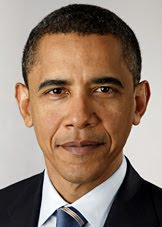
So I strongly oppose the Obama's US government's recent proposal to send
more US troops of 30,000 soldiers to Afghanistan. It would be just the huge
waste of both young soldiers' lives and money of all US tax payers for nothing!
Besides, unlike Iraq there is no oil in this area. Only opium is available
there. His US government has many other important jobs to be urgently solved
inside the United States such as huge financial crisis, healthcare problem,
the mysterious CCD (colony collapse disorder) of honey bees, and global
warming which would definitely affect the rest of this world.
Also I would like to urge his US government to move their US military bases
from Okinawa Island in Japan to Guam Island which is within US territory.
Japanese people don't need US troops any more, which kept occupying Japanese
islands, in particular Okinawa, since the end of WWII for more than six
decades. Japan is an independent country with high-technology and strong
economic power, and Japanese people would defend their own country by themselves
if necessary (in case some other aggressive country invades Japanese soil
in the future). Interestingly, Japanese soil has never been invaded by any
other country for more than seven centuries since the Mongolian/ Chinese
dynasty tried to invade Japan in late 13th century, but unsuccessfully. It
is very unlikely that either Russian, Chinese or Korean would invade such
a tiny territory of Japan in the future, which has no valuable natural resources
except for over-crowed population (more than 120 million people).
settled down by outsiders such as US and NATO forces or Russian/Chinese
forces. It should be ended by Afghan people, including both Karzai government
and Taliban forces.
So I strongly oppose the Obama's US government's recent proposal to send
more US troops of 30,000 soldiers to Afghanistan. It would be just the huge
waste of both young soldiers' lives and money of all US tax payers for nothing!
Besides, unlike Iraq there is no oil in this area. Only opium is available
there. His US government has many other important jobs to be urgently solved
inside the United States such as huge financial crisis, healthcare problem,
the mysterious CCD (colony collapse disorder) of honey bees, and global
warming which would definitely affect the rest of this world.
Also I would like to urge his US government to move their US military bases
from Okinawa Island in Japan to Guam Island which is within US territory.
Japanese people don't need US troops any more, which kept occupying Japanese
islands, in particular Okinawa, since the end of WWII for more than six
decades. Japan is an independent country with high-technology and strong
economic power, and Japanese people would defend their own country by themselves
if necessary (in case some other aggressive country invades Japanese soil
in the future). Interestingly, Japanese soil has never been invaded by any
other country for more than seven centuries since the Mongolian/ Chinese
dynasty tried to invade Japan in late 13th century, but unsuccessfully. It
is very unlikely that either Russian, Chinese or Korean would invade such
a tiny territory of Japan in the future, which has no valuable natural resources
except for over-crowed population (more than 120 million people).
2009年11月18日水曜日
The Most Urgent Project in Colon Cancer Research:
In vivo Proof of Anti-PAK1 Drugs' Effectiveness
Colon cancer is the "number 1" killer in Australia. The 1960 Nobel laureate
MacFarlane Burnet (1899-1985) in Melbourne, a great spiritual mentor of
mine during my university days in Tokyo, who inspired me to study the molecular biology
of immunological self-recognition, was among the numerous victims of colon
cancer. However, so far no effective therapeutic has been developed for
this formidable cancer as yet.
In 1989, a few years after his death, it was revealed that 50% of human colon cancers
carry the oncogenic mutant of RAS (mostly K-Ras), suggesting that abnormal activation
of this RAS is among the major causes of this cancer. Since RAS activates
the kinase PAK1, and RAS-induced malignant transformation requires this kinase,
it would be clear that at least 50% of colon cancers,
namely "RAS" colon cancer, could be treated effectively by anti-PAK1 drugs
such as Bio 30 which are available on the market inexpensively.
How about the remaining "non-RAS" colon cancers which carry no RAS mutant?
Around 1991 it was reported that more than 70% of human colon cancers carry
a loss-of -function mutation (dysfunction) of the tumor suppressor p53,
and the oncogenic RAS mutation and the dysfunction of p53 co-operate for
the malignant transformation, suggesting that p53 normally blocks the RAS-induced
malignant transformation. In other words, at least 70% of human colon cancers
including all RAS and 40% of the remaining non-RAS (=p53-deficient) colon
cancers could be treated effectively by anti-PAK1 drugs.
How about the remaining 30% of human colon cancers which carry neither RAS
nor p53 mutant? Around 1996 it was found that more than 90% of human colon
cancers carry a loss-of-function mutation of the tumor suppressor APC, and
a combination of both the oncogenic RAS mutation and the dysfunction of APC
is essential for the malignant transformation (either RAS or APC mutation
alone is insufficient to cause this cancer). In other words, APC normally
blocks the RAS-induced malignant transformation, and therefore at least 90%
of human colon cancers including all RAS and 80% of the remaining non-RAS
(=APC-deficient) colon cancers could be treated effectively by anti-PAK1 drugs.
However, so far nobody has experimentally confirmed in vivo that one of
the anti-PAK1 drugs available on the market can indeed suppress the growth
of human colon cancer, xenografts in mice or clinically. In my opinion,
that would be the most urgent project to be performed for identifying the
first effective therapeutics for colon cancers.
In 2003 Shigetoshi Kadota's group at Toyama Medical and Pharmaceutical University
in Japan reported that CAPE (caffeic acid phenethyl ester) and its analogues block
the lung metastasis of colon cancer cell line (26-L5) in mice. CAPE inactivates
the kinase PAK1 by down-regulating the GTPase RAC. However, CAPE alone has never
been clinically used, mainly due to its poor bioavailability (water-insolubility)
. Instead Bio 30, a CAPE-rich extract of NZ propolis available on the market
inexpensively, has been proven to be effective in blocking the growth of
several PAK1-dependent cancers such as pancreatic and breast cancers, NF
(neurofibromatosis) tumors, gliomas and melanomas in vivo (both xenograft
in mice and clinically), due to its high bioavailability and synergy between
CAPE and several other anti-cancer ingredients such as pinocembrin and galangin.
Thus, it would be quite reasonable to test the therapeutic effect of Bio
30 on human colon cancers in vivo, to begin with.
Besides Bio 30, Brazilian green propolis extract (GPE), which is based on ARC
(artepillin C), instead of CAPE, also inactivates PAK1 (Messerli, S. et al, 2009),
and suppresses the growth of colon cancers in vivo (Shimizu, K. et al, 2006),
although GPE is far more expensive than Bio 30. These findings altogether confirmed
that colon cancers indeed require PAK1 for their growth.
MacFarlane Burnet (1899-1985) in Melbourne, a great spiritual mentor of
mine during my university days in Tokyo, who inspired me to study the molecular biology
of immunological self-recognition, was among the numerous victims of colon
cancer. However, so far no effective therapeutic has been developed for
this formidable cancer as yet.
In 1989, a few years after his death, it was revealed that 50% of human colon cancers
carry the oncogenic mutant of RAS (mostly K-Ras), suggesting that abnormal activation
of this RAS is among the major causes of this cancer. Since RAS activates
the kinase PAK1, and RAS-induced malignant transformation requires this kinase,
it would be clear that at least 50% of colon cancers,
namely "RAS" colon cancer, could be treated effectively by anti-PAK1 drugs
such as Bio 30 which are available on the market inexpensively.
How about the remaining "non-RAS" colon cancers which carry no RAS mutant?
Around 1991 it was reported that more than 70% of human colon cancers carry
a loss-of -function mutation (dysfunction) of the tumor suppressor p53,
and the oncogenic RAS mutation and the dysfunction of p53 co-operate for
the malignant transformation, suggesting that p53 normally blocks the RAS-induced
malignant transformation. In other words, at least 70% of human colon cancers
including all RAS and 40% of the remaining non-RAS (=p53-deficient) colon
cancers could be treated effectively by anti-PAK1 drugs.
How about the remaining 30% of human colon cancers which carry neither RAS
nor p53 mutant? Around 1996 it was found that more than 90% of human colon
cancers carry a loss-of-function mutation of the tumor suppressor APC, and
a combination of both the oncogenic RAS mutation and the dysfunction of APC
is essential for the malignant transformation (either RAS or APC mutation
alone is insufficient to cause this cancer). In other words, APC normally
blocks the RAS-induced malignant transformation, and therefore at least 90%
of human colon cancers including all RAS and 80% of the remaining non-RAS
(=APC-deficient) colon cancers could be treated effectively by anti-PAK1 drugs.
However, so far nobody has experimentally confirmed in vivo that one of
the anti-PAK1 drugs available on the market can indeed suppress the growth
of human colon cancer, xenografts in mice or clinically. In my opinion,
that would be the most urgent project to be performed for identifying the
first effective therapeutics for colon cancers.
In 2003 Shigetoshi Kadota's group at Toyama Medical and Pharmaceutical University
in Japan reported that CAPE (caffeic acid phenethyl ester) and its analogues block
the lung metastasis of colon cancer cell line (26-L5) in mice. CAPE inactivates
the kinase PAK1 by down-regulating the GTPase RAC. However, CAPE alone has never
been clinically used, mainly due to its poor bioavailability (water-insolubility)
. Instead Bio 30, a CAPE-rich extract of NZ propolis available on the market
inexpensively, has been proven to be effective in blocking the growth of
several PAK1-dependent cancers such as pancreatic and breast cancers, NF
(neurofibromatosis) tumors, gliomas and melanomas in vivo (both xenograft
in mice and clinically), due to its high bioavailability and synergy between
CAPE and several other anti-cancer ingredients such as pinocembrin and galangin.
Thus, it would be quite reasonable to test the therapeutic effect of Bio
30 on human colon cancers in vivo, to begin with.
Besides Bio 30, Brazilian green propolis extract (GPE), which is based on ARC
(artepillin C), instead of CAPE, also inactivates PAK1 (Messerli, S. et al, 2009),
and suppresses the growth of colon cancers in vivo (Shimizu, K. et al, 2006),
although GPE is far more expensive than Bio 30. These findings altogether confirmed
that colon cancers indeed require PAK1 for their growth.
登録:
投稿 (Atom)











![リオ五輪男子体操団体:日本(金)、ロシア[銀]、中国[銅]。](https://blogger.googleusercontent.com/img/b/R29vZ2xl/AVvXsEjHS61FORcH43CteZVfJzLmbqvNwOIliOSMpTpRtEi7x8j1ZwPk5rDaZovTrwuZxfDDtdEDSj673it735LF0mweIunaj7ja07lURBDYTV6wPMaAlumFt3aWWzYbHZgIaxcOLk_OKEMyQ3lX/s1600/2016+taiso+gold.jpg)
![皇太子(明仁)による沖縄訪問 [1975年]](https://blogger.googleusercontent.com/img/b/R29vZ2xl/AVvXsEjvSQrzV7yw_4gVQSwxZP_jh4VnEJscSqOqbiBh0VdAK3CRddXRqkd70JdLyws9fGejk-FGVmXWbHvSxlF3f8UogTyf9KXbqU1NGXesvcx2Hlsd6uq81AHweeioc61wynq3d2IYuyolijgT/s1600/akihito+message.jpg)











![アルニカ [ウサギ菊]](https://blogger.googleusercontent.com/img/b/R29vZ2xl/AVvXsEilqv0qou-4NpoUh1PFWYK0FSaozKazee0VYGxsFtfjBma46ya9yxqB6X9Ziuob25tNRpBbnFIcUFlOEjz1WcAjVNzjGl1E-QbDgE7VOLkjZDx0eplJ1WJHf0fTEWXxf8F5G-cHUhqHELY9/s1600/ArnicaS.jpg)






.jpg)





































.jpg)