2020年8月22日土曜日

2018年9月21日金曜日
安倍政権の (憂うべき) 長期化
9月20日に行なわれた自民党の総裁選挙で再選された安倍晋三は、戦前および戦後の日本の首相の中で、最長の在籍記録を破る挑戦に挑みつつある。 。。
戦前では、桂 太郎が1位 (2886日)で、伊藤博文が2位 (2720日)、戦後では、佐藤栄作が1位 (2798日) 、吉田茂が2位 (2616日) 、安倍晋三が3位 (2462日=9月20日現在) といわれている。従って、来年の8月21には、安倍晋三首相の在籍記録が2798日に達し、佐藤栄作と肩を並べ「戦後最長」となり、更に100日後 (2019年12月初め頃) には、桂 太郎を抜いて、2898日に達し、日本 (憲政) 史上最長の在籍記録を誇ることになる。今のところ、自民党内にも、野党内にも、これを阻む要素は全く見受けられない。 「嘆かわしい」という一言に尽きる!
さて、来年の夏に予定されている参議院選挙は、6月28日から7月28日までの日曜日に実施される。もし、安倍政権が参議院選挙で、敗北すれば (過半数をとれなければ) 、「内閣総辞職」となり、安倍氏は無念ながら、佐藤栄作の「戦後記録」を破ることができない!
さて、来年の夏に予定されている参議院選挙は、6月28日から7月28日までの日曜日に実施される。もし、安倍政権が参議院選挙で、敗北すれば (過半数をとれなければ) 、「内閣総辞職」となり、安倍氏は無念ながら、佐藤栄作の「戦後記録」を破ることができない!
迫る沖縄知事選挙:
(米軍基地をめぐり、安倍政権に対決!)
(米軍基地をめぐり、安倍政権に対決!)
安倍政権に反旗を翻しうるのは、今のところ、沖縄県民による知事選挙 (来たる9月30日) だけである。オール沖縄を代表して、(翁長知事の遺志を継ぐ) 玉城デニー氏をぜひ当選させよう!
2018年5月14日月曜日
「悪質」インターネット航空券販売業者: eDreams (良い夢) は、実に「悪夢」!
スペインのバルセローナに事務所を持つインターネット航空券販売業者「eDreams」は、実は「悪質なインチキ業者」であることが最近判明した! 要注意!
被害者による苦情が最近続出している!
実は (恥ずかしながら) 私もその被害者の一人になってしまった! 7月末に北イタリアで、国際癌学会が開催されるので、それに出席して、座長を務めることになっていた。そこで、(早めにと) 4月初めに、東京からローマ行きの航空券 (7月20日出発) を、インターネットの「eDreams」という比較的新しい航空券予約業者を通じて、往復15 万円で予約した。 ところが、その飛行機はモスクワ経由のもので、航空会社はロシアの悪名高き「エアロフロー」だった。 頻々に墜落事故を起こす会社だ。 後味がすきぶる悪かった!
しばらくして、 この航空券よりずっと安い (往復10万円) 、イスタンブール経由のトルコ航空の航空券が販売され始めた。 そこで、"安全かつ安価な" トルコ航空券に、変更するよう、電子メールで「eDreams」宛てに依頼した。しかし、全く返事がなかった。 そこで、電話を通じて直接、関係者と (英語で) 押し問答をしたところ、(一旦予約した) ロシアの航空券のキャンセルは自由だが、「払い戻しはできない」という返答がかえってきた。 全く「泥棒!」である。 そこで、この「詐欺師」からイスタンブール経由の旅券を予約するのはもう諦めた。
更に、不審に思って、eDreams Barcelona に関する国際的な評判をインターネットで検索したところ、同じような不平不満 (苦情) が少なくとも 14件 もあった! 前科のある「札付きの詐欺師」であるが判明した!
被害者による苦情が最近続出している!
実は (恥ずかしながら) 私もその被害者の一人になってしまった! 7月末に北イタリアで、国際癌学会が開催されるので、それに出席して、座長を務めることになっていた。そこで、(早めにと) 4月初めに、東京からローマ行きの航空券 (7月20日出発) を、インターネットの「eDreams」という比較的新しい航空券予約業者を通じて、往復15 万円で予約した。 ところが、その飛行機はモスクワ経由のもので、航空会社はロシアの悪名高き「エアロフロー」だった。 頻々に墜落事故を起こす会社だ。 後味がすきぶる悪かった!
しばらくして、 この航空券よりずっと安い (往復10万円) 、イスタンブール経由のトルコ航空の航空券が販売され始めた。 そこで、"安全かつ安価な" トルコ航空券に、変更するよう、電子メールで「eDreams」宛てに依頼した。しかし、全く返事がなかった。 そこで、電話を通じて直接、関係者と (英語で) 押し問答をしたところ、(一旦予約した) ロシアの航空券のキャンセルは自由だが、「払い戻しはできない」という返答がかえってきた。 全く「泥棒!」である。 そこで、この「詐欺師」からイスタンブール経由の旅券を予約するのはもう諦めた。
更に、不審に思って、eDreams Barcelona に関する国際的な評判をインターネットで検索したところ、同じような不平不満 (苦情) が少なくとも 14件 もあった! 前科のある「札付きの詐欺師」であるが判明した!
2018年4月22日日曜日
朝鮮戦争 (冷戦) の終結がもたらすもの?
来たるべき米朝首脳会談によって、38度線を境にした (南北朝鮮の間に) 冷戦が最終的に終結する可能性が (ほのかながら) 出てきた。朝鮮戦争は1950年頃に勃発し、1953年に一時的な休戦協定が結ばれたが、その後65年間、いわゆる「冷戦」(にらみ合い) が続いていた。 もし、北朝鮮が核兵器を放棄して「非核」 (脱核) 宣言をすれば、南北朝鮮の間に念願の「平和条約」が結ばれる可能性が生まれつつある。 これは、南北朝鮮の住民にとって、「悲願」であるばかりではなく、朝鮮半島に接する中国や日本に住む人々にとっても、極めて喜ばしきことである。
特に、長らく米軍に基地を(強制的に) 提供させ られてきた沖縄住民にとっては、米軍の (グアム島あるいは) 米国本土への引き揚げによって、「外国軍による占領状態」がついに解除されるわけで、この上ない喜びであろう。 鷹派の安倍政権にも、(南北朝鮮間に正式な平和条約が締結されれば) 「米軍による日本国土の防衛」をお願いする理由が全くなくなるから、(悪名高き) 「日米安保条約」を解消する時期も迫りつつある。。。 かの1960年「安保闘争」で、(国会周辺デモなどを中心に) 若き血潮に支えられて戦った我々自身の (今や既に「高齢化」しつつある) 世代にとっても、ひとしおの喜びである。
さて、北朝鮮側は、「非核」 (脱核) 宣言の交換条件として、恐らく「米軍の韓国からの撤退」を要求して来るだろう。 これ (朝鮮半島からの "外国軍" の撤退) は果して実現可能だろうか?
追記: 結局、米朝首脳 (金=トランプ) 会談はシンガポールで6月12日に開催されることが決定した。 成功を切に祈る!
特に、長らく米軍に基地を(強制的に) 提供させ られてきた沖縄住民にとっては、米軍の (グアム島あるいは) 米国本土への引き揚げによって、「外国軍による占領状態」がついに解除されるわけで、この上ない喜びであろう。 鷹派の安倍政権にも、(南北朝鮮間に正式な平和条約が締結されれば) 「米軍による日本国土の防衛」をお願いする理由が全くなくなるから、(悪名高き) 「日米安保条約」を解消する時期も迫りつつある。。。 かの1960年「安保闘争」で、(国会周辺デモなどを中心に) 若き血潮に支えられて戦った我々自身の (今や既に「高齢化」しつつある) 世代にとっても、ひとしおの喜びである。
さて、北朝鮮側は、「非核」 (脱核) 宣言の交換条件として、恐らく「米軍の韓国からの撤退」を要求して来るだろう。 これ (朝鮮半島からの "外国軍" の撤退) は果して実現可能だろうか?
追記: 結局、米朝首脳 (金=トランプ) 会談はシンガポールで6月12日に開催されることが決定した。 成功を切に祈る!
2018年4月17日火曜日
ボストン=マラソン (2018年): 川内選手(31) 、大雨と強風に負げず (のお蔭で)、 初優勝!
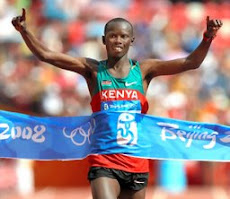
日本勢がボストン=マラソンで優勝したのは、31年前 (1987年) 瀬古選手が優勝して以来の快挙である。 最近は毎年、アフリカ勢 (ケニアやタンガニカ出身の選手) がボストン=マラソンの上位を独占していたから、まさか日本選手が優勝するとは、誰しも予想していなかった。 今年のボストン=マラソンは、大雨と強風という「悪条件」が重なって、とうとう「番狂わせ」が起こった! 先行していた (昨年優勝の) ケニアの選手が、悪名高き「心臓破りの丘」付近で、失走したため、川内優輝選手がジワジワ彼を追い詰め追い越して、見事に先頭でゴールインした。タイムは悪天候のため、2時間15分台という低調な記録だったが。 偶然にも、川内選手は1987年生まれだそうである。
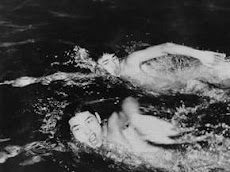
瀬古利彦選手が1981年以来数年間にボストン=マラソンで 2-3 回も優勝したいわゆる「黄金時代」は我々の記憶に新しいが、それよりもずっと昔に、日本勢がボストン=マラソンで何んと7連勝した時代があった。敗戦直後の1947年から1953年までの7年間だった。 まだ「食料難」の時代で、サツマイモなどを主食にして、(1500m 競泳の古橋選手など) 多くの日本勢は、世界の強豪と互角に戦った! 最近再び、「悪条件に強い」日本人が育ち始めたのかもしれない。
(男子に関しては) ボストン=マラソン史には、面白い "ジンクス" が長らく残っている。 「ボストン優勝者は、五輪マラソンでは優勝できない」 。例えば、かの有名な「裸足のマラソン=ランナー」 (エチオピアのアベベ選手) は、五輪マラソンで 2連勝 (ローマと東京) したが、ボストン=マラソンでは、優勝したことが一度もない! さて、川内選手が来たる東京五輪 (2020年)で、その "ジンクス" を果して破ることができるだろうか?
以下は、私の個人的意見だが、プロポリスなどの天然PAK遮断剤を飲み続けると、癌や感染症などを予防するばかりではなく、悪天候 (例えば、"地球温暖化による" 熱中症など) にも強くなる。従って、「蒸し暑い」夏の東京五輪マラソンに向けて、プロポリスなどを、川内選手にぜひ勧めたい。五輪 (メルボルンとローマ) で大活躍した往年の1500m 競泳王者マレー=ローズ (豪州) は、菜食主義者で、海藻類をタップリ食べて、スタミナをつけたそうである。
瀬古利彦選手が1981年以来数年間にボストン=マラソンで 2-3 回も優勝したいわゆる「黄金時代」は我々の記憶に新しいが、それよりもずっと昔に、日本勢がボストン=マラソンで何んと7連勝した時代があった。敗戦直後の1947年から1953年までの7年間だった。 まだ「食料難」の時代で、サツマイモなどを主食にして、(1500m 競泳の古橋選手など) 多くの日本勢は、世界の強豪と互角に戦った! 最近再び、「悪条件に強い」日本人が育ち始めたのかもしれない。
(男子に関しては) ボストン=マラソン史には、面白い "ジンクス" が長らく残っている。 「ボストン優勝者は、五輪マラソンでは優勝できない」 。例えば、かの有名な「裸足のマラソン=ランナー」 (エチオピアのアベベ選手) は、五輪マラソンで 2連勝 (ローマと東京) したが、ボストン=マラソンでは、優勝したことが一度もない! さて、川内選手が来たる東京五輪 (2020年)で、その "ジンクス" を果して破ることができるだろうか?
以下は、私の個人的意見だが、プロポリスなどの天然PAK遮断剤を飲み続けると、癌や感染症などを予防するばかりではなく、悪天候 (例えば、"地球温暖化による" 熱中症など) にも強くなる。従って、「蒸し暑い」夏の東京五輪マラソンに向けて、プロポリスなどを、川内選手にぜひ勧めたい。五輪 (メルボルンとローマ) で大活躍した往年の1500m 競泳王者マレー=ローズ (豪州) は、菜食主義者で、海藻類をタップリ食べて、スタミナをつけたそうである。
2018年4月8日日曜日
柴岡名誉教授 (阪大) が奈良県内で "消息不明"!
関西に住むある知人仲間から、彼らの先輩である阪大植物学の柴岡名誉教授 (84)が、去る3月17日以来、行方不明になっているというニュースを受け取った。奈良生駒山系の一つ、 信貴山 (海抜400m 強) に、後輩の学生たちと 登山中、体調が悪くなったので、早めに独りで下山したが、帰宅していないことが判明し、捜索願いが出され、最寄りの警察らが警察犬などを使って捜索中であるが、事件後3週間経った今でも、行き先が不明のままであるという、世にも不思議な事件! 我々としては、 教授の無事を祈るのみである。彼は東大理学部植物学科出身だそうだが、その昔、阪大の神谷教授の後任として、阪大に赴任したそうである。最新の警察情報によると、12時13分 (3月17日) に、奈良県天理市内のJR桜井線 "柳本駅" の改札口を一人で出た柴岡さんの姿が防犯カメラに写っていたとのことで、街中までは無事に戻っていたが、その後の (吹田にある自宅までの) 足取りが全くつかめないのが現状だそうである。
楽観的観測: 「京阪神鉄道路線図」で見る限り、(常識的には) JR桜井線「柳本駅」は、信貴山から (自宅のある) 吹田への帰路からは大きく外れており、柴岡さんは、独りで奈良県内を漫遊 しているという印象。多分、1-2カ月後に、自宅にひょっこり戻ってきて、周囲が大騒ぎしているのに、びっくり仰天するのではないだろうか。 我々 (独り住まい) も、この件を「他山の石」として、周囲に余計な心配をかけぬよう、連絡を密にすべき。
実は、私自身も二度ほど行方不明になったことがある。
最初は、終戦直後のこと。東京の中野区江古田村 (私の生地)に住んでいた頃、父に連れられて、近くの畑地に出かけた時のこと。私が4-5歳の頃である。父が畑地の耕作を終わって、昼飯にしようと辺りを見回したが、息子である私の姿が忽然として消えていた。(私は退屈しのぎに辺りを歩き回っている内にとうとう迷子になったようだ)。 日暮れになって、その畑から5キロほど離れた隣村の駐在所の巡査に保護されて、無事帰宅した。その時以来、私は自分の足腰の強さに自信を持ち始めたが、母から、「自宅の住所」を厳しく暗誦させられた。 「江古田1-242 」というのが、当時の住所だ。70年後の今でもハッキリ憶えているが、その住所は、その後の区画整理で、とうとうなくなり、しかも、本人は目下豪州に永住しているので、この昔の記憶はその機能を全く失ってしまった!
2度目の迷子は、35年ほど昔のこと。 西独ミュンヘン郊外にある "Max-Planck 研究所" に勤務していた頃。 私の院生の中にフライブルグ大学卒業の女性がいた (実は、あの悪名高き「壁」が出来る直前に、東ベルリンから亡命してきたそうだ)。ある晩夏 (紅葉の始まり) 、彼女の実家がある (スイスやフランスとの国境に近いライン河畔) フライブルグに初めて遊びに出かけた。近くの「黒い森」(Schwarzwald) と呼ばれる原始林の小山 (ピークは海抜1500 m) に、彼女の同級生数人とハイキングに出かけた折、見晴らし台の近くで一行が休んでいる内に、野ションのため、私が脇道にそれた折、方向を見失って、仲間とはぐれてしまった。とにかく、下山すれば、どこかで、一行に再会できることを祈って、ひたすら山を駆け下った。幸い、2-3時間ほどしてから 、麓で一行に再会できた。 若い頃の話で、幸い無事に終わったが、80を過ぎたら、どうなるかわからない。。。
この消息不明 (神隠し) 事件は、見方によれば、1972年に出版された (和歌山出身の) 有吉佐和子の名作「恍惚の人」に似ている。小説のごとく、無事に 保護される (帰宅する) ことを祈る外あるまい。 本人が認知症にかかり始めていたかどうかは不明だが、我が恩師である水野伝一(名誉) 教授は、80歳前後で認知症にかかり、昨秋、97歳で大往生した。3年程前に97歳で他界した我が母は、死の直前まで、(体力は明らかに衰弱していたが) 頭だけはハッキリしていて、認知症の気配は全くなかった。
楽観的観測: 「京阪神鉄道路線図」で見る限り、(常識的には) JR桜井線「柳本駅」は、信貴山から (自宅のある) 吹田への帰路からは大きく外れており、柴岡さんは、独りで奈良県内を漫遊 しているという印象。多分、1-2カ月後に、自宅にひょっこり戻ってきて、周囲が大騒ぎしているのに、びっくり仰天するのではないだろうか。 我々 (独り住まい) も、この件を「他山の石」として、周囲に余計な心配をかけぬよう、連絡を密にすべき。
実は、私自身も二度ほど行方不明になったことがある。
最初は、終戦直後のこと。東京の中野区江古田村 (私の生地)に住んでいた頃、父に連れられて、近くの畑地に出かけた時のこと。私が4-5歳の頃である。父が畑地の耕作を終わって、昼飯にしようと辺りを見回したが、息子である私の姿が忽然として消えていた。(私は退屈しのぎに辺りを歩き回っている内にとうとう迷子になったようだ)。 日暮れになって、その畑から5キロほど離れた隣村の駐在所の巡査に保護されて、無事帰宅した。その時以来、私は自分の足腰の強さに自信を持ち始めたが、母から、「自宅の住所」を厳しく暗誦させられた。 「江古田1-242 」というのが、当時の住所だ。70年後の今でもハッキリ憶えているが、その住所は、その後の区画整理で、とうとうなくなり、しかも、本人は目下豪州に永住しているので、この昔の記憶はその機能を全く失ってしまった!
2度目の迷子は、35年ほど昔のこと。 西独ミュンヘン郊外にある "Max-Planck 研究所" に勤務していた頃。 私の院生の中にフライブルグ大学卒業の女性がいた (実は、あの悪名高き「壁」が出来る直前に、東ベルリンから亡命してきたそうだ)。ある晩夏 (紅葉の始まり) 、彼女の実家がある (スイスやフランスとの国境に近いライン河畔) フライブルグに初めて遊びに出かけた。近くの「黒い森」(Schwarzwald) と呼ばれる原始林の小山 (ピークは海抜1500 m) に、彼女の同級生数人とハイキングに出かけた折、見晴らし台の近くで一行が休んでいる内に、野ションのため、私が脇道にそれた折、方向を見失って、仲間とはぐれてしまった。とにかく、下山すれば、どこかで、一行に再会できることを祈って、ひたすら山を駆け下った。幸い、2-3時間ほどしてから 、麓で一行に再会できた。 若い頃の話で、幸い無事に終わったが、80を過ぎたら、どうなるかわからない。。。
この消息不明 (神隠し) 事件は、見方によれば、1972年に出版された (和歌山出身の) 有吉佐和子の名作「恍惚の人」に似ている。小説のごとく、無事に 保護される (帰宅する) ことを祈る外あるまい。 本人が認知症にかかり始めていたかどうかは不明だが、我が恩師である水野伝一(名誉) 教授は、80歳前後で認知症にかかり、昨秋、97歳で大往生した。3年程前に97歳で他界した我が母は、死の直前まで、(体力は明らかに衰弱していたが) 頭だけはハッキリしていて、認知症の気配は全くなかった。
2018年3月26日月曜日
自分自身の「エベレスト」をめざそう! (他人の猿真似はもう辞めよう!)
2015年制作の山岳映画「エベレスト」をテレビで観ながら、そう感じた。 この映画は1996年5月にエベレスト登頂 (下山) 中に起こった悲劇 (難波康子さんを含む 6名のベテラン登山家の遭難死) に基づいて制作された2時間半に渡るドラマ映画である。
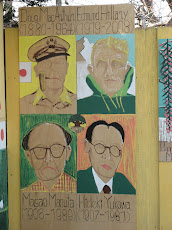
エベレストの登頂に最初に成功したのは、1953年の英国登山隊に加わったニュージーランド出身のエドモント=ヒラリーと(ネパールのシェルパ族) テンジン=ノーゲイだった。その成功は「前人未踏」の快挙だった。以来、田部井淳子 (1975年登頂) など2000名以上の登山家 (女性だけでも40名近く) が、1996年の5月までに、この世界最高峰の頂上に達した。従って、登頂に成功した本人にとっては快挙かもしれないが、ヒラリーとテンジン以外は、先人の言わば「猿真似」(二番煎じ) に過ぎず、前人未踏の快挙では決してない。
そして、その「二千番煎じ」のために、登山の途中や下山中に遭難死した者は数限りない。1996年の商業的エベレスト遠征の場合も、登山落伍者を助けるために引っ返したベテラン登山家 (引率者) ロブ=ホールまでも、「遭難の道連れ」になった!
私自身も登山家の端くれではあるが、エベレストで「猿真似」をしようと思ったことはない (もっとも、めざしても成功しなかったかもしれないが)。 命をかけてまで、猿真似をする価値がなかったからである。私にとっては、穂高、槍、マッターホルンなどの登頂で十分満足できた。我が哲学に従えば、「登山は健康のため」にやるもので、健康を度外視してまでやる価値は全くない。
我が亡父から生前に教わった貴重な言葉がある。(義務教育が終わったら) 他人の猿真似をするな! 自分自身の「エベレスト 」をめざせ! つまり、「自分自身にのみなし得る前人未踏の (ユニークな) 仕事を探し当て、それを達成するために全力 (一生) を尽せ」という教えである。 私自身の「エベレスト」は、強力なPAK遮断剤「15K」を市販に導くことである。 そうすれば、癌患者ばかりではなく、一連のPAK依存性疾患 (いわゆる「PAK過剰症候群」) 、例えば、NF (神経線維腫症) などの脳腫瘍、認知症、炎症、一連の感染症、高血圧、自閉症、鬱病、ALS, 糖尿病、パーキンソン氏病、肥満症などの患者にも恩恵を与えることができる。そして、何よりも「健康長寿」を全ての人々にもたらすことができる。それほど素晴らしい (40年以上に渡る)「前人未踏」の仕事が今、私の目の前に控えている。
だから、小泉進次郎氏には、「自民党をぶっ潰せ!」と呼びかけたい。 少なくとも腐り切った「安倍内閣」をぶっ潰して欲しい!
エベレストの登頂に最初に成功したのは、1953年の英国登山隊に加わったニュージーランド出身のエドモント=ヒラリーと(ネパールのシェルパ族) テンジン=ノーゲイだった。その成功は「前人未踏」の快挙だった。以来、田部井淳子 (1975年登頂) など2000名以上の登山家 (女性だけでも40名近く) が、1996年の5月までに、この世界最高峰の頂上に達した。従って、登頂に成功した本人にとっては快挙かもしれないが、ヒラリーとテンジン以外は、先人の言わば「猿真似」(二番煎じ) に過ぎず、前人未踏の快挙では決してない。
そして、その「二千番煎じ」のために、登山の途中や下山中に遭難死した者は数限りない。1996年の商業的エベレスト遠征の場合も、登山落伍者を助けるために引っ返したベテラン登山家 (引率者) ロブ=ホールまでも、「遭難の道連れ」になった!
私自身も登山家の端くれではあるが、エベレストで「猿真似」をしようと思ったことはない (もっとも、めざしても成功しなかったかもしれないが)。 命をかけてまで、猿真似をする価値がなかったからである。私にとっては、穂高、槍、マッターホルンなどの登頂で十分満足できた。我が哲学に従えば、「登山は健康のため」にやるもので、健康を度外視してまでやる価値は全くない。
我が亡父から生前に教わった貴重な言葉がある。(義務教育が終わったら) 他人の猿真似をするな! 自分自身の「エベレスト 」をめざせ! つまり、「自分自身にのみなし得る前人未踏の (ユニークな) 仕事を探し当て、それを達成するために全力 (一生) を尽せ」という教えである。 私自身の「エベレスト」は、強力なPAK遮断剤「15K」を市販に導くことである。 そうすれば、癌患者ばかりではなく、一連のPAK依存性疾患 (いわゆる「PAK過剰症候群」) 、例えば、NF (神経線維腫症) などの脳腫瘍、認知症、炎症、一連の感染症、高血圧、自閉症、鬱病、ALS, 糖尿病、パーキンソン氏病、肥満症などの患者にも恩恵を与えることができる。そして、何よりも「健康長寿」を全ての人々にもたらすことができる。それほど素晴らしい (40年以上に渡る)「前人未踏」の仕事が今、私の目の前に控えている。
だから、小泉進次郎氏には、「自民党をぶっ潰せ!」と呼びかけたい。 少なくとも腐り切った「安倍内閣」をぶっ潰して欲しい!
登録:
投稿 (Atom)









![リオ五輪男子体操団体:日本(金)、ロシア[銀]、中国[銅]。](https://blogger.googleusercontent.com/img/b/R29vZ2xl/AVvXsEjHS61FORcH43CteZVfJzLmbqvNwOIliOSMpTpRtEi7x8j1ZwPk5rDaZovTrwuZxfDDtdEDSj673it735LF0mweIunaj7ja07lURBDYTV6wPMaAlumFt3aWWzYbHZgIaxcOLk_OKEMyQ3lX/s1600/2016+taiso+gold.jpg)
![皇太子(明仁)による沖縄訪問 [1975年]](https://blogger.googleusercontent.com/img/b/R29vZ2xl/AVvXsEjvSQrzV7yw_4gVQSwxZP_jh4VnEJscSqOqbiBh0VdAK3CRddXRqkd70JdLyws9fGejk-FGVmXWbHvSxlF3f8UogTyf9KXbqU1NGXesvcx2Hlsd6uq81AHweeioc61wynq3d2IYuyolijgT/s1600/akihito+message.jpg)










![アルニカ [ウサギ菊]](https://blogger.googleusercontent.com/img/b/R29vZ2xl/AVvXsEilqv0qou-4NpoUh1PFWYK0FSaozKazee0VYGxsFtfjBma46ya9yxqB6X9Ziuob25tNRpBbnFIcUFlOEjz1WcAjVNzjGl1E-QbDgE7VOLkjZDx0eplJ1WJHf0fTEWXxf8F5G-cHUhqHELY9/s1600/ArnicaS.jpg)






.jpg)































.jpg)