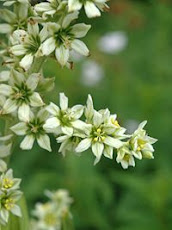
伝承薬(フランス産のライラック(=リラの花)エキス)に基づいて、ドイツで開発された
「2型糖尿病」の特効薬(メトフォルミン)で、欧州では半世紀以上使用されて
いる安全かつ安価な薬 (一日の薬価が30ー40円) が、最近、癌やNFの治療
にも有望であるという動物実験データが出ています。
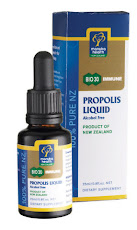
従って、NZ産プロポリス(Bio 30)を飲んでも「現状維持」(腫瘍の増殖
や発生は抑えるが、腫瘍が萎縮しない)という場合には、服用量を2ー3倍に増
やすか、メトフォルミン (塩酸) 錠を併用 (250 mg 錠を一日2ー3回服用)
することをお勧めします。
メトフォルミン (塩酸) 錠 (メルビン錠):
http://www.interq.or.jp/ox/dwm/se/se39/se3962002.html
250mg 錠, 10円弱、 一日2ー3錠服用、最高(一日)1000mg まで
禁忌: 妊娠中、乳酸アシドーシス(酸血症)、腎不全、うっ血性心不全の患者
は、(副作用が出る可能性があるので) 使用を避ける。
2010年1月30日土曜日

2010年1月28日木曜日
Metformin: An Old Synthetic Anti-diabetic Drug
that Could Serve as an Anti-Cancer Drug and Expand Life Span.
Metformin (N-dimethyl formin) is an inexpensive and safe oral anti-diabetic
(prescription) drug, the first-line synthetic drug of choice for the treatment
of type 2 diabetes, particularly in overweight and obese people. It is the
simplest and most potent version of natural anti-diabetic biguanides (phenformin
and buformin) from Galega officinalis, a herbal weed called French lilac.
Though first synthesized in 1922 by Emil Werner and James Belland and found
in 1929 by Slotta and Tschesche to reduce blood sugar in rabbits, it was
forgotten for a few decades until 1957, when French physician Jean Sterne
(1909-1997)published the first clinical trial of metformin as a treatment for diabetes.
It was then introduced to UK in 1958, Canada in 1972, and US in 1995.
However, around the turn of century (2001-2002), a few groups found that Metformin
activates the kinase AMPK which is essential for glucose uptake into cells.
Interestingly, AMPK contributes to the activation of the tumor suppressing
transcription factor "FOXO" which is essential for longevity in mammals
and nematodes such as C. elegans. In other words Metformin could serve as
an "elixir" and anti-cancer drug as well.
Parviz Pour's team at University of Nebraska Medical Center was among the
first groups who realized the close relationship between diabetes and cancer,
in particular pancreatic cancer, and actually proved for the first time
that Metforming can prevent the development of pancreatic cancer in hamsters:
Schneider, M., Matsuzaki, H., Haorah, J., Ulrich, A., Standop, J., Ding,
XZ, Adrian, T., Pour, P. (2001).
Prevention of pancreatic cancer induction in hamsters by metformin.
Gastroenterology, 120, 1263-70.
A few papers suggest that Metformin causes its anti-cancer action not only through the AMPK-dependent pathway, but also through an AMPK-dispensable pathway.
Since this drug blocks angiogenesis and inflammation both of which require the kinase PAK1, I suspect that, like propolis and an old drug "Ivermectin", this drug must inactivate PAK1 somehow. In this context, it should be worth to note that there are several precedents among natural anti-cancer/anti-diabetic products that both activate AMPK and inactivate PAK: CAPE in propolis, resveratrol (R3) in red grapes, curcumin in Indian curry, capsaicin in Chili pepper, and berberine. Indeed, a 2010 paper from Makoto Taketo's group at Kyoto University clearly indicates that the kinase LKB1, which activates AMPK, inactivates PAK1 directly. In other words, Merformin, which activates LKB1, eventually both inactivates PAK1 and activates AMPK.
These examples even prompt us to hypothesize that they activate AMPK by inactivating PAK which might normally suppresses AMPK. Thus, it is not a surprise that Metformin inhibits the growth of breast and ovarian cancer cells in vitro as well as pancreatic cancer xenograft in mice, all of which require PAK1. So it would be worth testing its therapeutic effect on other formidable PAK1-dependent tumors such as those associated with NF (neurofibromatosis) and TSC (Tuberous Sclerosis).
Here are a few recent reports, suggesting its anti-cancer and life-span
expanding properties:
1) Gotlieb, W., Saumet, J., Beauchamp, M., Gu, J., Lau, S., Pollak, M., Bruchim,I.(2008).
In vitro metformin anti-neoplastic activity in epithelial ovarian cancer.
Gynecol Oncol. 110, 246-50.
Abstract:
OBJECTIVE: Metformin, a commonly used drug in the treatment of type II diabetes,
may reduce cancer risk and improve cancer prognosis. We evaluated its effect
on epithelial ovarian cancer cell lines.
METHODS: The OVCAR-3 and OVCAR-4 cell lines were exposed to metformin with
and without cisplatin. Cytotoxicity assays were performed in triplicates
using the Alamar colorimetric assay. Levels of total and phosphorylated
AMPK, p70S6K and S6K were evaluated by Western blotting following exposure
to metformin.
RESULTS: Metformin induces dose- and time-dependent growth inhibition of
OVCAR-3 and OVCAR-4 cell lines. Metformin potentiated the effect of cisplatin
in vitro. Metformin growth inhibition was partly abolished by the AMPK inhibitor,
compound C. Western blotting demonstrated that metformin at cytotoxic concentrations,
induced AMPK phosphorylation and decreased p70S6K and S6K phosphorylation,
suggesting the mechanism for its anti-proliferative action.
CONCLUSION: Metformin significantly inhibits the growth of ovarian cancer
cell lines and potentiates cisplatin. Further pre-clinical studies are being
conducted to determine the applicability of metformin in the treatment of
ovarian cancer.
2) Irina Alimova, Bolin Liu, Zeying Fan, Susan Edgerton, Thomas Dillon,
Stuart Lind and Ann Thor (2009).
Metformin inhibits breast cancer cell growth, colony formation and induces
cell cycle arrest in vitro
Cell Cycle, 8, 909 - 915
Abstract:
The anti-diabetic drug metformin reduces human cancer incidence and improves
the survival of cancer patients, including those with breast cancer. We
studied the activity of metformin against diverse molecular subtypes of
breast cancer cell lines in vitro. Metformin showed biological activity
against all estrogen receptor (ER) positive and negative, ErbB2 normal and
abnormal breast cancer cell lines tested. It inhibited cellular proliferation,
reduced colony formation and caused partial cell cycle arrest at the G1
checkpoint. Metformin did not induce apoptosis in luminal A, B or ErbB2 subtype
breast cancer cell lines. At the molecular level, metformin causes a reduction
of cyclin D1 and E2F1 expression, but with no changes in CDK inhibitors
(either p27 or p21). It inhibited the kinase activity of ERK and Akt, as
well as the target of rapamycin (TOR) in all breast cancer cells. In ErbB2-over-expressing breast cancer cell lines, metformin reduced both expression (at higher concentrations) and Tyr-kinase activity of ErbB2 (at lower concentrations). These data suggest that metformin may have potential therapeutic utility against a wide variety of breast cancer cells.
3) Brian Onken and Monica Driscoll (2010).
Metformin Induces a Dietary Restriction-like State and the Oxidative Stress
Response to Extend C. elegans Healthspan via AMPK, LKB1, and SKN-1
PLoS One. 5, e8758.
Abstract
Metformin, a biguanide drug commonly used to treat type-2 diabetes, has
been noted to extend health span of nondiabetic mice, but this outcome,
and the molecular mechanisms that underlie it, have received relatively
little experimental attention. To develop a genetic model for study of biguanide
effects on health span, we investigated metformin impact on aging C. elegans.
We found that metformin increases nematode health span, slowing lipofuscin
accumulation, extending median life span, and prolonging youthful locomotory
ability in a dose-dependent manner. Genetic data suggest that metformin
acts through a mechanism similar to that operative in eating-impaired dietary
restriction (DR) mutants, but independent of the insulin signaling pathway.
Energy sensor AMPK and its activator LKB1, which are activated in mammals
by metformin treatment, are essential for health benefits in C. elegans,
suggesting that metformin engages a metabolic loop conserved across phyla.
We also show that the conserved oxidative stress-responsive transcription
factor SKN-1/Nrf2 is essential for metformin health span benefits in C.
elegans, a mechanistic requirement not previously described in mammals.
skn-1, which functions in nematode sensory neurons to promote DR longevity
benefits and in intestines for oxidative stress resistance life span benefits,
must be expressed in both neurons and intestines for metformin-promoted
health span extension, supporting that metformin improves healthy middle-life
aging by activating both DR and antioxidant defense longevity pathways.
(prescription) drug, the first-line synthetic drug of choice for the treatment
of type 2 diabetes, particularly in overweight and obese people. It is the
simplest and most potent version of natural anti-diabetic biguanides (phenformin
and buformin) from Galega officinalis, a herbal weed called French lilac.
Though first synthesized in 1922 by Emil Werner and James Belland and found
in 1929 by Slotta and Tschesche to reduce blood sugar in rabbits, it was
forgotten for a few decades until 1957, when French physician Jean Sterne
(1909-1997)published the first clinical trial of metformin as a treatment for diabetes.
It was then introduced to UK in 1958, Canada in 1972, and US in 1995.
However, around the turn of century (2001-2002), a few groups found that Metformin
activates the kinase AMPK which is essential for glucose uptake into cells.
Interestingly, AMPK contributes to the activation of the tumor suppressing
transcription factor "FOXO" which is essential for longevity in mammals
and nematodes such as C. elegans. In other words Metformin could serve as
an "elixir" and anti-cancer drug as well.
Parviz Pour's team at University of Nebraska Medical Center was among the
first groups who realized the close relationship between diabetes and cancer,
in particular pancreatic cancer, and actually proved for the first time
that Metforming can prevent the development of pancreatic cancer in hamsters:
Schneider, M., Matsuzaki, H., Haorah, J., Ulrich, A., Standop, J., Ding,
XZ, Adrian, T., Pour, P. (2001).
Prevention of pancreatic cancer induction in hamsters by metformin.
Gastroenterology, 120, 1263-70.
A few papers suggest that Metformin causes its anti-cancer action not only through the AMPK-dependent pathway, but also through an AMPK-dispensable pathway.
Since this drug blocks angiogenesis and inflammation both of which require the kinase PAK1, I suspect that, like propolis and an old drug "Ivermectin", this drug must inactivate PAK1 somehow. In this context, it should be worth to note that there are several precedents among natural anti-cancer/anti-diabetic products that both activate AMPK and inactivate PAK: CAPE in propolis, resveratrol (R3) in red grapes, curcumin in Indian curry, capsaicin in Chili pepper, and berberine. Indeed, a 2010 paper from Makoto Taketo's group at Kyoto University clearly indicates that the kinase LKB1, which activates AMPK, inactivates PAK1 directly. In other words, Merformin, which activates LKB1, eventually both inactivates PAK1 and activates AMPK.
These examples even prompt us to hypothesize that they activate AMPK by inactivating PAK which might normally suppresses AMPK. Thus, it is not a surprise that Metformin inhibits the growth of breast and ovarian cancer cells in vitro as well as pancreatic cancer xenograft in mice, all of which require PAK1. So it would be worth testing its therapeutic effect on other formidable PAK1-dependent tumors such as those associated with NF (neurofibromatosis) and TSC (Tuberous Sclerosis).
Here are a few recent reports, suggesting its anti-cancer and life-span
expanding properties:
1) Gotlieb, W., Saumet, J., Beauchamp, M., Gu, J., Lau, S., Pollak, M., Bruchim,I.(2008).
In vitro metformin anti-neoplastic activity in epithelial ovarian cancer.
Gynecol Oncol. 110, 246-50.
Abstract:
OBJECTIVE: Metformin, a commonly used drug in the treatment of type II diabetes,
may reduce cancer risk and improve cancer prognosis. We evaluated its effect
on epithelial ovarian cancer cell lines.
METHODS: The OVCAR-3 and OVCAR-4 cell lines were exposed to metformin with
and without cisplatin. Cytotoxicity assays were performed in triplicates
using the Alamar colorimetric assay. Levels of total and phosphorylated
AMPK, p70S6K and S6K were evaluated by Western blotting following exposure
to metformin.
RESULTS: Metformin induces dose- and time-dependent growth inhibition of
OVCAR-3 and OVCAR-4 cell lines. Metformin potentiated the effect of cisplatin
in vitro. Metformin growth inhibition was partly abolished by the AMPK inhibitor,
compound C. Western blotting demonstrated that metformin at cytotoxic concentrations,
induced AMPK phosphorylation and decreased p70S6K and S6K phosphorylation,
suggesting the mechanism for its anti-proliferative action.
CONCLUSION: Metformin significantly inhibits the growth of ovarian cancer
cell lines and potentiates cisplatin. Further pre-clinical studies are being
conducted to determine the applicability of metformin in the treatment of
ovarian cancer.
2) Irina Alimova, Bolin Liu, Zeying Fan, Susan Edgerton, Thomas Dillon,
Stuart Lind and Ann Thor (2009).
Metformin inhibits breast cancer cell growth, colony formation and induces
cell cycle arrest in vitro
Cell Cycle, 8, 909 - 915
Abstract:
The anti-diabetic drug metformin reduces human cancer incidence and improves
the survival of cancer patients, including those with breast cancer. We
studied the activity of metformin against diverse molecular subtypes of
breast cancer cell lines in vitro. Metformin showed biological activity
against all estrogen receptor (ER) positive and negative, ErbB2 normal and
abnormal breast cancer cell lines tested. It inhibited cellular proliferation,
reduced colony formation and caused partial cell cycle arrest at the G1
checkpoint. Metformin did not induce apoptosis in luminal A, B or ErbB2 subtype
breast cancer cell lines. At the molecular level, metformin causes a reduction
of cyclin D1 and E2F1 expression, but with no changes in CDK inhibitors
(either p27 or p21). It inhibited the kinase activity of ERK and Akt, as
well as the target of rapamycin (TOR) in all breast cancer cells. In ErbB2-over-expressing breast cancer cell lines, metformin reduced both expression (at higher concentrations) and Tyr-kinase activity of ErbB2 (at lower concentrations). These data suggest that metformin may have potential therapeutic utility against a wide variety of breast cancer cells.
3) Brian Onken and Monica Driscoll (2010).
Metformin Induces a Dietary Restriction-like State and the Oxidative Stress
Response to Extend C. elegans Healthspan via AMPK, LKB1, and SKN-1
PLoS One. 5, e8758.
Abstract
Metformin, a biguanide drug commonly used to treat type-2 diabetes, has
been noted to extend health span of nondiabetic mice, but this outcome,
and the molecular mechanisms that underlie it, have received relatively
little experimental attention. To develop a genetic model for study of biguanide
effects on health span, we investigated metformin impact on aging C. elegans.
We found that metformin increases nematode health span, slowing lipofuscin
accumulation, extending median life span, and prolonging youthful locomotory
ability in a dose-dependent manner. Genetic data suggest that metformin
acts through a mechanism similar to that operative in eating-impaired dietary
restriction (DR) mutants, but independent of the insulin signaling pathway.
Energy sensor AMPK and its activator LKB1, which are activated in mammals
by metformin treatment, are essential for health benefits in C. elegans,
suggesting that metformin engages a metabolic loop conserved across phyla.
We also show that the conserved oxidative stress-responsive transcription
factor SKN-1/Nrf2 is essential for metformin health span benefits in C.
elegans, a mechanistic requirement not previously described in mammals.
skn-1, which functions in nematode sensory neurons to promote DR longevity
benefits and in intestines for oxidative stress resistance life span benefits,
must be expressed in both neurons and intestines for metformin-promoted
health span extension, supporting that metformin improves healthy middle-life
aging by activating both DR and antioxidant defense longevity pathways.
2010年1月19日火曜日
来たる参議院選挙に向けて:
民主党政権の「イメージ・チェンジ」(衣更え)
7月に予定されている参議院選挙で民主党が過半数を獲得するためには、
内閣の大幅改造で民主党政権の「イメージ・チェンジ」が必要であろう。まず
(金銭問題に引続き疑惑を残す)小沢さんは幹事長を辞めるべきだ。
次に(小沢さんの「傀儡」らしい)鳩山さんも首相を辞めるべきだ。
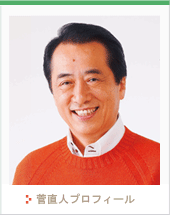
代わって、清廉潔白そうな岡田さんが首相に就任、(人望が厚い)管さんが幹事
長になるべきである。そして、(自民党政権の名残り、反民主党色の強い)検察
庁トップの人事移動も断行すべきであろう。それが、民主党による長期安定政権
への道普請である。
民主党が「理想の政党」とは言いがたいが、自民党よりもずっとましであり、他
の少数政党(公明党、共産党、社民党など)には政権を担当する能力が全くない
から、「次善の策」として、選挙(小選挙区)で民主党を支持するに過ぎない。
内閣の大幅改造で民主党政権の「イメージ・チェンジ」が必要であろう。まず
(金銭問題に引続き疑惑を残す)小沢さんは幹事長を辞めるべきだ。
次に(小沢さんの「傀儡」らしい)鳩山さんも首相を辞めるべきだ。
代わって、清廉潔白そうな岡田さんが首相に就任、(人望が厚い)管さんが幹事
長になるべきである。そして、(自民党政権の名残り、反民主党色の強い)検察
庁トップの人事移動も断行すべきであろう。それが、民主党による長期安定政権
への道普請である。
民主党が「理想の政党」とは言いがたいが、自民党よりもずっとましであり、他
の少数政党(公明党、共産党、社民党など)には政権を担当する能力が全くない
から、「次善の策」として、選挙(小選挙区)で民主党を支持するに過ぎない。
2009年12月27日日曜日
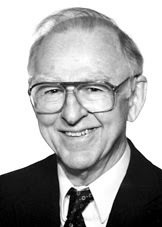
Edwin Krebs (1918-2009), A Great Pioneer in Kinase Research
Those who have ever studied the reversible phosphorylation of proteins would
owe much both Edwin Krebs and his colleague Edmond Fischer at University
of Washington in Seattle. In 1950s they found the first protein kinase,
phosphorylase kinase (PK), which phosphorylates and activates the enzyme
glycogen phosphorylase (GP). This phosphorylase catalyzes the hydrolysis
of glycogen, supplying the glucose essential for a variety of our actions
such as muscle contraction and learning. PK also requires the phosphorylation
by another kinase called PKA (cyclic AMP-dependent kinase). cyclic AMP (cAMP)
is a second messenger that is produced by adenylate cyclase (AC) from ATP.
AC is activated by a GTPase (or G protein) called Gs. Thus,
A G protein activates this kinase cascade through the second messenger cAMP.
A similar G protein-kinase cascade was found around 1994, when Ed Manser
in Singapore cloned the first mammalian member of PAK family (PAK1) in brain.
This kinase (PAK1) is directly activated by another G protein family (RAC
and CDC42).
Later it was found that RAC/CDC42 is down stream of another kinase (PI-3
kinase) which is directly activated by the oncogenic G protein RAS. In
other words PAK1
mediates the oncogenic signal of RAS, and is essential for the growth of
more than 70% of all human cancers including breast and prostate cancers
and NF (neurofibromatosis) tumors. In addition, PAK1 is essential for both
metastasis and angiogenesis of these solid tumors. Since PAK1 is not essential
for the normal cell growth, anti-PAK1 drugs such as Bio 30 (NZ propolis
extract) would be powerful therapeutics for the treatment of these PAK1-dependent
cancers and NF without any side effect. Thus, cancer and NF patients should
greatly appreciate the discovery of the first kinase cascade (PKA-PK-GP)
during 1950s-1960s, which eventually led to the discovery of the oncogenic
RAS-PI-3 kinase-RAC/CDC42-PAK1 signal cascade in 1990s.
Accordingly, the 1992 Nobel prize in Physiology/Medicine was awarded to
Edwin Krebs and Edmond Fischer.
owe much both Edwin Krebs and his colleague Edmond Fischer at University
of Washington in Seattle. In 1950s they found the first protein kinase,
phosphorylase kinase (PK), which phosphorylates and activates the enzyme
glycogen phosphorylase (GP). This phosphorylase catalyzes the hydrolysis
of glycogen, supplying the glucose essential for a variety of our actions
such as muscle contraction and learning. PK also requires the phosphorylation
by another kinase called PKA (cyclic AMP-dependent kinase). cyclic AMP (cAMP)
is a second messenger that is produced by adenylate cyclase (AC) from ATP.
AC is activated by a GTPase (or G protein) called Gs. Thus,
A G protein activates this kinase cascade through the second messenger cAMP.
A similar G protein-kinase cascade was found around 1994, when Ed Manser
in Singapore cloned the first mammalian member of PAK family (PAK1) in brain.
This kinase (PAK1) is directly activated by another G protein family (RAC
and CDC42).
Later it was found that RAC/CDC42 is down stream of another kinase (PI-3
kinase) which is directly activated by the oncogenic G protein RAS. In
other words PAK1
mediates the oncogenic signal of RAS, and is essential for the growth of
more than 70% of all human cancers including breast and prostate cancers
and NF (neurofibromatosis) tumors. In addition, PAK1 is essential for both
metastasis and angiogenesis of these solid tumors. Since PAK1 is not essential
for the normal cell growth, anti-PAK1 drugs such as Bio 30 (NZ propolis
extract) would be powerful therapeutics for the treatment of these PAK1-dependent
cancers and NF without any side effect. Thus, cancer and NF patients should
greatly appreciate the discovery of the first kinase cascade (PKA-PK-GP)
during 1950s-1960s, which eventually led to the discovery of the oncogenic
RAS-PI-3 kinase-RAC/CDC42-PAK1 signal cascade in 1990s.
Accordingly, the 1992 Nobel prize in Physiology/Medicine was awarded to
Edwin Krebs and Edmond Fischer.
2009年12月24日木曜日
RNA Editing Genes Determine
the Longevity of Human and Nematode
The (tumor suppressing) transcription factor "FOXO" is known to play the
key role in determining the life span of human and nematode. The kinase
cascade including LKB1 and AMPK activates FOXO, leading to the expansion
of life span, whereas the kinases AKT and PAK1 inactivate FOXO, leading
to the shortening of life span. There are several natural products that
both activate LKB1/AMPK and inactivate PAK1, leading to the expansion of
life span: CAPE (caffeic acid phenethyl ester) from Propolis, Curcumin
from Indian Curry, Capsaicin from Chili Pepper, Resveratrol from Red Grapes,
and Berberine. Thus, these products are among natural "Elixirs".
Recently, Paola Sebastiani's group at Boston University found that RNA editing
genes, ADR-1 and ADR-2, as well as RNA interfering gene RDE-1, also play
the key role in determining the life span of both human beings and nematodes
such as C. elegans. Dysfunction of RNA editing genes increases the RNA interfering activity of RDEs, and shortens the life span of nematode by 50%. Interestingly, however, dysfunction of RDE-1 gene could rescue the above (short-lived) nematode from the premature death. Thus, like the oncogenic kinases PAK1 and AKT, RDE-1 appears to shorten the life span by its RNA interfering activity (blocking the translation of its specific target genes which still remain to be identified).
Since Hsp16 (encoding a heat shock protein) is among the key genes downstream
of FOXO contributing to the expansion of life span, it is possible that
RDE-1 might block the translation of Hsp16 (or FOXO) RNA. We recently found that PAK1 blocks the expression of Hsp16 gene, and CAPE can re-activate Hsp16 gene
by inactivating PAK1. Also it would be of great interest to see if these natural elixirs activate ADRs or inactivate RDEs somehow.
key role in determining the life span of human and nematode. The kinase
cascade including LKB1 and AMPK activates FOXO, leading to the expansion
of life span, whereas the kinases AKT and PAK1 inactivate FOXO, leading
to the shortening of life span. There are several natural products that
both activate LKB1/AMPK and inactivate PAK1, leading to the expansion of
life span: CAPE (caffeic acid phenethyl ester) from Propolis, Curcumin
from Indian Curry, Capsaicin from Chili Pepper, Resveratrol from Red Grapes,
and Berberine. Thus, these products are among natural "Elixirs".
Recently, Paola Sebastiani's group at Boston University found that RNA editing
genes, ADR-1 and ADR-2, as well as RNA interfering gene RDE-1, also play
the key role in determining the life span of both human beings and nematodes
such as C. elegans. Dysfunction of RNA editing genes increases the RNA interfering activity of RDEs, and shortens the life span of nematode by 50%. Interestingly, however, dysfunction of RDE-1 gene could rescue the above (short-lived) nematode from the premature death. Thus, like the oncogenic kinases PAK1 and AKT, RDE-1 appears to shorten the life span by its RNA interfering activity (blocking the translation of its specific target genes which still remain to be identified).
Since Hsp16 (encoding a heat shock protein) is among the key genes downstream
of FOXO contributing to the expansion of life span, it is possible that
RDE-1 might block the translation of Hsp16 (or FOXO) RNA. We recently found that PAK1 blocks the expression of Hsp16 gene, and CAPE can re-activate Hsp16 gene
by inactivating PAK1. Also it would be of great interest to see if these natural elixirs activate ADRs or inactivate RDEs somehow.
2009年12月6日日曜日
たんぽぽの葉は、 食用 にも薬用にもなる!
http://www.geocities.co.jp/NatureLand/1351/recipe.htm
初夏になり、引っ越したばかりの我が新居の庭一面に生え始めているのに気づき、
開花前の柔かい葉を選んでは採集し、水で簡単に洗ったのち、生でサラダ代わりに
食べたり、ラーメンに入れて「山菜ラーメン」を作ったりしている。
多少苦味はあるが、野菜不足の解消に十分なるわいとすっかり満足していたら、
驚くなかれ(良薬は口に苦し!)、最近(2008年)の英文医学雑誌を調べて
みると、 西洋たんぽぽ (Taraxacum officinale) の葉 (水エキス)には乳癌
などのPAK依存性の癌の増殖や転移を抑える作用があることが、(ナバホ族の子孫が
多く住む)米国ニューメキシコ州の首都(アルバカーキー)にある大学の研究
グループによって、発見されていることが判明した。 更に10年ほど前には、
京都薬科大学の研究グループが、日本産のたんぽぽ(根)にも制癌作用がある
ことを薬学雑誌に発表している。けだし、中国では漢方薬の1つ「蒲公英」として、
昔から使用されているそうである。アラビア人も北米のインディアンも伝承薬として、
使っているようだ。 先人の英知に痛く感服した。
癌の予防にもなるが、末期の肺癌にも効く!
http://www.healingcancernaturally.com/dandelion-taraxacum-root-cures.html
初夏になり、引っ越したばかりの我が新居の庭一面に生え始めているのに気づき、
開花前の柔かい葉を選んでは採集し、水で簡単に洗ったのち、生でサラダ代わりに
食べたり、ラーメンに入れて「山菜ラーメン」を作ったりしている。
多少苦味はあるが、野菜不足の解消に十分なるわいとすっかり満足していたら、
驚くなかれ(良薬は口に苦し!)、最近(2008年)の英文医学雑誌を調べて
みると、 西洋たんぽぽ (Taraxacum officinale) の葉 (水エキス)には乳癌
などのPAK依存性の癌の増殖や転移を抑える作用があることが、(ナバホ族の子孫が
多く住む)米国ニューメキシコ州の首都(アルバカーキー)にある大学の研究
グループによって、発見されていることが判明した。 更に10年ほど前には、
京都薬科大学の研究グループが、日本産のたんぽぽ(根)にも制癌作用がある
ことを薬学雑誌に発表している。けだし、中国では漢方薬の1つ「蒲公英」として、
昔から使用されているそうである。アラビア人も北米のインディアンも伝承薬として、
使っているようだ。 先人の英知に痛く感服した。
癌の予防にもなるが、末期の肺癌にも効く!
http://www.healingcancernaturally.com/dandelion-taraxacum-root-cures.html
Towards the Development of a New "Red Propolis"
Based on Sichuan Pepper (Hua Jiao)
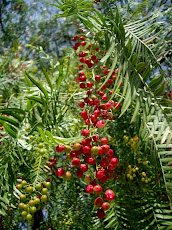
A few years ago we found that Hua Jiao fruits (Chinese red peppercorns)
contain an anti-PAK ingredient which can be extracted by 70% ethanol (or
warm-water), and suppress the growth of cancers and NF tumor xenografts
in mice (Hirokawa, Y. et al, 2006). Since this extract has a rather bitter
(not spicy) taste, we tried to commercialize the dried power of this extract
blended with an NZ honey to add a sweet taste under the brand name "Honey
Pepper" as the first effective therapeutic for NF (neurofibromatosis) and
PAK-dependent cancers such as pancreatic and colon cancers, for which no
effective therapeutic was available on the market. However, no company
got interested in this project. Perhaps it might be too "inexpensive" for
the commercialization.
A year later we found that one of NZ propolis extracts called "Bio 30" also
suppresses the growth of PAK-dependent cancers and NF tumor xenografts in
mice (Demestre, M. et al, 2009). Bio 30 is an inexpensive CAPE (caffeic
acid phenethyl ester)-rich water-miscible extract of NZ propolis from Manuka
Health based in Auckland, NZ, and selectively blocks the oncogenic kinase
PAK by down-regulating the GTPase RAC. One minor problem with this extract
is that its major anti-cancer ingredient (CAPE) causes a skin allergy to
1-2% of population including myself (!).
Shortly thereafter we found that another propolis extract called GPE, Brazilian
green propolis extract from Yamada Bee Farm in Japan, also suppresses the
growth of NF tumors and PAK-dependent cancers by blocking the kinase PAK
(Messerli, S. et al, 2009). GPE contains no CAPE, but another anti-cancer
polyphenol called ARC (artepillin C) that inactivates PAK. This extract
does not cause any allergic reaction, but is far more expensive than Bio
30 (which costs only a dollar for daily treatment).
Interestingly, Brazilian "red propolis" extract (RPE) also appears to inactivate
the kinase PAK, as it suppresses the growth of pancreatic cancer, although
it contains neither CAPE nor ARC. These findings strongly suggest that
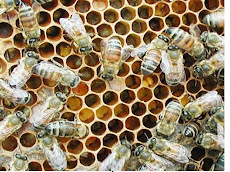
honey bees have a natural instinct to collect anti-PAK ingredients from
a variety of trees (or shrubs) such as poplar to make propolis (bee hive)
for protecting their larva from a variety of harmful pathogens such as bacteria,
fungi, viruses, etc. However, RPE is as expensive as GPE. More recently,
I heard that there is another "red propolis" in China which appears to be
based on CAPE. However, this Chinese red propolis is not available on the
market as yet.
Thus, I got a new idea that honey bees could collect the anti-PAK ingredient
from red fruits (peppercorns) of the Chinese "Hua Jiao" to produce an inexpensive
"red propolis" which would be useful for the therapy of both NF and cancers.
The key for this future project would be how to condition honey bees towards
this red peppercorn. Honey bees can memorize colors (in particular yellow
and violet), sweet taste of sugars and aromatic scent. So if the aromatic
alcohol extract of Hua Jiao is mixed with honey and spotted on a red paper,
in theory honey bees would approach this sweet aromatic red paper, learning
that the aromatic red fruits could be among their potentially favorable sources
of sweet honey. Once they could locate Hua Jiao, they would become addicted
to its anti-PAK ingredient whose chemical nature nobody has identified as
yet. Once the new "red propolis" is produced in my garden (bee farm), we
shall make the ethanol extract of this propolis to confirm its anti-PAK
and anti-cancer potential in vitro and in vivo.
However, commercialization of this OZ red propolis extract called "HJ propolis"
would eventually need the chemical identification of this anti-PAK ingredient
in this propolis (or Hua Jiao) to standardize its content in this new propolis
product. Thus, it might be a life-long (certainly time-consuming) project
towards the commercialization. Generally speaking, natural anti-PAK products
including "Natto" and propolis would have a potentially huge market value,
simply because they would be useful not only for cancers and NF, but also
several other PAK-dependent formidable diseases such as Alzheimer's (AD),
Huntington's (HD), AIDS, inflammatory diseases (Asthma and arthritis), epilepsy,
type-2 diabetes, hypertension, HCM (hypertrophic cardiomyopathy ) and malaria.
We prefer to developing an inexpensive one if possible, because it would
be far more "democratic", as it could offer a benefit not only the very
rich people, but also the very poor, even for a life-long treatment if
necessary. These diseases never discriminate the rich and the poor. So the
therapeutics should not. Thus, it would be worth trying to develop this
inexpensive red propolis in my own garden.
contain an anti-PAK ingredient which can be extracted by 70% ethanol (or
warm-water), and suppress the growth of cancers and NF tumor xenografts
in mice (Hirokawa, Y. et al, 2006). Since this extract has a rather bitter
(not spicy) taste, we tried to commercialize the dried power of this extract
blended with an NZ honey to add a sweet taste under the brand name "Honey
Pepper" as the first effective therapeutic for NF (neurofibromatosis) and
PAK-dependent cancers such as pancreatic and colon cancers, for which no
effective therapeutic was available on the market. However, no company
got interested in this project. Perhaps it might be too "inexpensive" for
the commercialization.
A year later we found that one of NZ propolis extracts called "Bio 30" also
suppresses the growth of PAK-dependent cancers and NF tumor xenografts in
mice (Demestre, M. et al, 2009). Bio 30 is an inexpensive CAPE (caffeic
acid phenethyl ester)-rich water-miscible extract of NZ propolis from Manuka
Health based in Auckland, NZ, and selectively blocks the oncogenic kinase
PAK by down-regulating the GTPase RAC. One minor problem with this extract
is that its major anti-cancer ingredient (CAPE) causes a skin allergy to
1-2% of population including myself (!).
Shortly thereafter we found that another propolis extract called GPE, Brazilian
green propolis extract from Yamada Bee Farm in Japan, also suppresses the
growth of NF tumors and PAK-dependent cancers by blocking the kinase PAK
(Messerli, S. et al, 2009). GPE contains no CAPE, but another anti-cancer
polyphenol called ARC (artepillin C) that inactivates PAK. This extract
does not cause any allergic reaction, but is far more expensive than Bio
30 (which costs only a dollar for daily treatment).
Interestingly, Brazilian "red propolis" extract (RPE) also appears to inactivate
the kinase PAK, as it suppresses the growth of pancreatic cancer, although
it contains neither CAPE nor ARC. These findings strongly suggest that
honey bees have a natural instinct to collect anti-PAK ingredients from
a variety of trees (or shrubs) such as poplar to make propolis (bee hive)
for protecting their larva from a variety of harmful pathogens such as bacteria,
fungi, viruses, etc. However, RPE is as expensive as GPE. More recently,
I heard that there is another "red propolis" in China which appears to be
based on CAPE. However, this Chinese red propolis is not available on the
market as yet.
Thus, I got a new idea that honey bees could collect the anti-PAK ingredient
from red fruits (peppercorns) of the Chinese "Hua Jiao" to produce an inexpensive
"red propolis" which would be useful for the therapy of both NF and cancers.
The key for this future project would be how to condition honey bees towards
this red peppercorn. Honey bees can memorize colors (in particular yellow
and violet), sweet taste of sugars and aromatic scent. So if the aromatic
alcohol extract of Hua Jiao is mixed with honey and spotted on a red paper,
in theory honey bees would approach this sweet aromatic red paper, learning
that the aromatic red fruits could be among their potentially favorable sources
of sweet honey. Once they could locate Hua Jiao, they would become addicted
to its anti-PAK ingredient whose chemical nature nobody has identified as
yet. Once the new "red propolis" is produced in my garden (bee farm), we
shall make the ethanol extract of this propolis to confirm its anti-PAK
and anti-cancer potential in vitro and in vivo.
However, commercialization of this OZ red propolis extract called "HJ propolis"
would eventually need the chemical identification of this anti-PAK ingredient
in this propolis (or Hua Jiao) to standardize its content in this new propolis
product. Thus, it might be a life-long (certainly time-consuming) project
towards the commercialization. Generally speaking, natural anti-PAK products
including "Natto" and propolis would have a potentially huge market value,
simply because they would be useful not only for cancers and NF, but also
several other PAK-dependent formidable diseases such as Alzheimer's (AD),
Huntington's (HD), AIDS, inflammatory diseases (Asthma and arthritis), epilepsy,
type-2 diabetes, hypertension, HCM (hypertrophic cardiomyopathy ) and malaria.
We prefer to developing an inexpensive one if possible, because it would
be far more "democratic", as it could offer a benefit not only the very
rich people, but also the very poor, even for a life-long treatment if
necessary. These diseases never discriminate the rich and the poor. So the
therapeutics should not. Thus, it would be worth trying to develop this
inexpensive red propolis in my own garden.
登録:
投稿 (Atom)











![リオ五輪男子体操団体:日本(金)、ロシア[銀]、中国[銅]。](https://blogger.googleusercontent.com/img/b/R29vZ2xl/AVvXsEjHS61FORcH43CteZVfJzLmbqvNwOIliOSMpTpRtEi7x8j1ZwPk5rDaZovTrwuZxfDDtdEDSj673it735LF0mweIunaj7ja07lURBDYTV6wPMaAlumFt3aWWzYbHZgIaxcOLk_OKEMyQ3lX/s1600/2016+taiso+gold.jpg)
![皇太子(明仁)による沖縄訪問 [1975年]](https://blogger.googleusercontent.com/img/b/R29vZ2xl/AVvXsEjvSQrzV7yw_4gVQSwxZP_jh4VnEJscSqOqbiBh0VdAK3CRddXRqkd70JdLyws9fGejk-FGVmXWbHvSxlF3f8UogTyf9KXbqU1NGXesvcx2Hlsd6uq81AHweeioc61wynq3d2IYuyolijgT/s1600/akihito+message.jpg)











![アルニカ [ウサギ菊]](https://blogger.googleusercontent.com/img/b/R29vZ2xl/AVvXsEilqv0qou-4NpoUh1PFWYK0FSaozKazee0VYGxsFtfjBma46ya9yxqB6X9Ziuob25tNRpBbnFIcUFlOEjz1WcAjVNzjGl1E-QbDgE7VOLkjZDx0eplJ1WJHf0fTEWXxf8F5G-cHUhqHELY9/s1600/ArnicaS.jpg)









.jpg)










































.jpg)