最近入ったニュース。 米国NASAの宇宙研究によれば、太陽系の外側、地球
から約600光年という遠距離に、地球のように生物が生息できるような惑星が
存在することが発見された。
当座の名前は「ケプラー22b 」(私は、「Breath」=Twin brother of Earth
と呼ぶ)。 サイズ(直径)は地球の2。4倍(つまり、地表面積は地球の6倍)、(別の)
太陽の回りを290日間で一周する(つまり、一年がわずか290日)。地表の平均気温は
22度(摂氏)前後だから、月 (氷河期) とちがって、まだ温帯である。水が液体状態で
存在しているらしいから、生物が存在しうる。しかし、残念ながら、この「Breath」
に (寿命がわずか100年前後の) 人類が生きて到達することは不可能である。
たとえ光の速さで飛行しても、600年(=6 世紀) もかかるからだ。 最新の
ロケットでも、せいぜい光の速さの10分の1しか出せないから、この惑星に到達
するのは、6000年後になる計算だ!
詳しくは、http://www3.nhk.or.jp/news/html/20111206/t10014435401000.html
天の川上にあるこの天体から現在届いてくる情報は、実は6世紀遅れだから、
15世紀初めの惑星の様子を、我々は天体望遠鏡で観察していることになる。
地球では、グーテンベルグにより印刷術がまだ開発される(1455年)以前の
ルネッサンス時代である。
さて、この惑星で我々人類に似た生物が生存しているとして、医学や生物科学が
どこまで(我々よりもずっと先に)進んでいるかどうか、非常に興味深い。。。
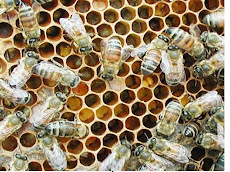
花を咲かせる植物が生息すれば、ミツバチが活躍しているはずである。養蜂業は
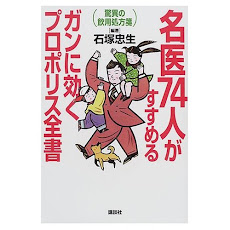
一体どこまで進んでいるだろうか。プロポリスなどのPAK遮断剤で、癌やNF
などの難病がすっかり撲滅され、「健康長寿」を満喫しているだろうか。。。
ひょっとすると、この惑星では、長い進化の過程で自然淘汰の末、PAK遺伝子を
欠損した(難病にかからず、しかも耐熱性の)生物だけが、選択的に生き残って
いるかもしれない。。。
チャールトン・ヘストン主演の「猿の惑星」という映画をその昔、観たことが
あるが、そのうち、試みに「不老長寿の惑星」というような題名の小説(SF)を
書いてみるのも面白かろう。。。

2011年11月27日日曜日
Extension of lifespan by reducing ill-folded proteins to be aggregated.
Robert Hughes' group at Buck Institute found recently that aggregation of
specific proteins (mostly due to their misfolding) contributes to the normal
aging process, and blocking such an aggregation by RNAi indeed extends the
lifespan of C. elegans (1).
Misfolding of specific proteins can cause late-onset diseases such as AD
and HD. However, the contribution of protein aggregation to the normal aging
process is less well understood. To address this issue, they performed a
mass spectrometry-based proteomic analysis to identify proteins that adopt
SDS-insoluble conformations during aging in C. elegans. SDS Insoluble proteins
extracted from young and aged C. elegans were chemically labelled by isobaric
tagging for relative and absolute quantification (iTRAQ) and identified
by liquid chromatography and mass spectrometry.
They identified more than 200 distinct proteins significantly enriched in
an SDS-insoluble fraction of aged nematodes and largely absent from that
of young nematodes. The SDS-insoluble fraction in aged animals contains
a diverse range of proteins including a large number of ribosomal proteins.
Gene Ontology analysis revealed highly significant enrichments for energy
production and protein synthesis.
Using RNAi, they silenced each of genes encoding proteins remaining insoluble
in aged nematodes, to see the effect on lifespan. Around 40% of genes tested
were shown to extend lifespan after RNAi treatment, compared to only 20%
in a control group of genes. These data strongly indicate that the age-associated
protein misfolding/aggregation is among time-bombs (shorteners) of lifespan.
In support of this notion, CA (caffeic acid) or its derivatives, curcumin,
and trehalose, which prevent the heat/stress-induced protein aggregation
by activating heat-shock genes, indeed extend lifespan of nematodes and
fruit flies at least.
Reference:
1. Reis-Rodrigues, P., Czerwieniec, G., Peters,T., Evani, U. et al.
Proteomic Analysis of Age-dependent Changes in Protein Solubility Identifies
Genes that Modulate Lifespan. Aging Cell, 2011, in press.
specific proteins (mostly due to their misfolding) contributes to the normal
aging process, and blocking such an aggregation by RNAi indeed extends the
lifespan of C. elegans (1).
Misfolding of specific proteins can cause late-onset diseases such as AD
and HD. However, the contribution of protein aggregation to the normal aging
process is less well understood. To address this issue, they performed a
mass spectrometry-based proteomic analysis to identify proteins that adopt
SDS-insoluble conformations during aging in C. elegans. SDS Insoluble proteins
extracted from young and aged C. elegans were chemically labelled by isobaric
tagging for relative and absolute quantification (iTRAQ) and identified
by liquid chromatography and mass spectrometry.
They identified more than 200 distinct proteins significantly enriched in
an SDS-insoluble fraction of aged nematodes and largely absent from that
of young nematodes. The SDS-insoluble fraction in aged animals contains
a diverse range of proteins including a large number of ribosomal proteins.
Gene Ontology analysis revealed highly significant enrichments for energy
production and protein synthesis.
Using RNAi, they silenced each of genes encoding proteins remaining insoluble
in aged nematodes, to see the effect on lifespan. Around 40% of genes tested
were shown to extend lifespan after RNAi treatment, compared to only 20%
in a control group of genes. These data strongly indicate that the age-associated
protein misfolding/aggregation is among time-bombs (shorteners) of lifespan.
In support of this notion, CA (caffeic acid) or its derivatives, curcumin,
and trehalose, which prevent the heat/stress-induced protein aggregation
by activating heat-shock genes, indeed extend lifespan of nematodes and
fruit flies at least.
Reference:
1. Reis-Rodrigues, P., Czerwieniec, G., Peters,T., Evani, U. et al.
Proteomic Analysis of Age-dependent Changes in Protein Solubility Identifies
Genes that Modulate Lifespan. Aging Cell, 2011, in press.
2011年11月5日土曜日
Herbal Anti-depressants (=Anti-PAK compounds):
CAPE, apigenin, curcumin, berberine, salidroside etc
I have been wondering for several years, since I started working on an old
bee-made antibiotic called "propolis", why or how bees have or acquired
an unique instinct to collect anti-PAK1 compounds for preparing propolis,
invariably wherever they live, in Far-East, Oceania, Europe or Brazil.
Recently I got a feeling that I have finally reached a very interesting
conclusion, or the very first clue, to explain this mystery of centuries.
A friend of mine working at API Research Center in Japan recently informed
me that CAPE (caffeic acid phenethyl ester) , the major anti-cancer ingredient
(and anti-PAK1 compound) in propolis could work as an effective anti-depressant
at least in an animal model. So I started looking for a few other herbal
anti-depressants through PUBMED, and found apigenin in propolis, curcumin
in Indian curry, berberine in the Chinese yellow root, and salidroside in
Rhodiola rosea (Golden Root). Very interestingly, what is in common in
these herbal anti-depressants is their ability to block the oncogenic kinase
PAK1 (and activate the tumor-suppressing kinase AMPK).
According to the 2003 paper published by Keisuke Ohsawa's group in Sendai,
apigenin (100 mg/kg) increases the pleasure hormone "dopamine" (DA) and
improves the impaired behaviors such as the duration of immobility caused
by a forced swimming in "depressed" mice (1). In other words, apigenin makes
these "depressed" mice happy again by an increased DA production or secretion,
just like alcohol drinks such as beer and wine for persons, the sensitive
(or number) of whose dopamine-receptor is rather low. In 2005, a very similar
anti-depressant (DA-boosting) effect of curcumin (10 mg/kg) was reported
by a group at Beijing University (2). In 2007, the basically same anti-depressant
effect of berberine (20 mg/kg) was found in mouse models by a Taiwanese
group at China Medical University (3).
In 2008, a Swedish group found that the adaptogen Rhodiola rosea extract
(20 mg/kg) shows a strong anti-depressant effect on the duration of immobility
of rats in forced swimming test, and its major effective ingredient is salidroside,
a hydroxy-phenethyl glucoside (4). Furthermore, in 2010, a Japanese group
led by Yutaka Orihara at Tokyo University reported that the aromatic ring
of salidroside and related compounds (acteosides) were bio-synthesized from
Tyr through DA in Olive leave culture (5). Thus, it is conceivable that
a reverse metabolism of salidroside could produce DA in mammals, making
them feel very happy.
These findings together strongly indicate that PAK1 normally suppresses
DA production or secretion, making people depressed, although the detailed
molecular mechanism underlying this phenomenon still remains to be clarified
in the future.
Since PAK blockers are able to boost DA in brain of mammals as well as insects
such as bees, it would be reasonable to assume that bees would feel very
happy when they bump into these anti-PAK compounds such as CAPE, apigenin,
ARC (artepillin C) and triterpenes in young buds of poplar trees, willow,
camomile, and a few other trees or plants, and keep sucking these anti-PAK
compounds to prepare propolis for their larva. Why doesn't the propolis
contain either curcumin, berberine or salidroside? The answer would be
quite simple. Unlike CAPE and apigenin, these anti-PAK compounds are found
mainly in roots hidden under ground!
References:
1. Nakazawa, T. et al. Anti-depressant effects of apigenin (and TMCA) in
the forced swimming test. Biol. Pharm. Bull. 2003, 26, 474-80.
2. Xu, Y., Ku, BS., Yao, HY., Lin, YH. et al. The effects of curcumin on
depressive-like behaviors in mice. Eur J Pharmacol. 2005, 518, 40-6.
3. Penga, WH., Lo, KL., Lee, YH., Hung, TH. et al. Berberine produces
antidepressant-like effects in the forced swim test and in the tail suspension test in mice.
Life Sci. 2007, 81, 933-8.
4. Panossian, A. et al. Comparative studies of Rhodiola rosea preparations
on behavioral despair of rats. Phytomed. 2008, 15, 84-91.
5. Saimaru, H., Orihara, Y. Biosynthesis of acteoside in cultured cells
of Olea europaea. J. Nat. Med. 2010, 64, 139-45,
bee-made antibiotic called "propolis", why or how bees have or acquired
an unique instinct to collect anti-PAK1 compounds for preparing propolis,
invariably wherever they live, in Far-East, Oceania, Europe or Brazil.
Recently I got a feeling that I have finally reached a very interesting
conclusion, or the very first clue, to explain this mystery of centuries.
A friend of mine working at API Research Center in Japan recently informed
me that CAPE (caffeic acid phenethyl ester) , the major anti-cancer ingredient
(and anti-PAK1 compound) in propolis could work as an effective anti-depressant
at least in an animal model. So I started looking for a few other herbal
anti-depressants through PUBMED, and found apigenin in propolis, curcumin
in Indian curry, berberine in the Chinese yellow root, and salidroside in
Rhodiola rosea (Golden Root). Very interestingly, what is in common in
these herbal anti-depressants is their ability to block the oncogenic kinase
PAK1 (and activate the tumor-suppressing kinase AMPK).
According to the 2003 paper published by Keisuke Ohsawa's group in Sendai,
apigenin (100 mg/kg) increases the pleasure hormone "dopamine" (DA) and
improves the impaired behaviors such as the duration of immobility caused
by a forced swimming in "depressed" mice (1). In other words, apigenin makes
these "depressed" mice happy again by an increased DA production or secretion,
just like alcohol drinks such as beer and wine for persons, the sensitive
(or number) of whose dopamine-receptor is rather low. In 2005, a very similar
anti-depressant (DA-boosting) effect of curcumin (10 mg/kg) was reported
by a group at Beijing University (2). In 2007, the basically same anti-depressant
effect of berberine (20 mg/kg) was found in mouse models by a Taiwanese
group at China Medical University (3).
In 2008, a Swedish group found that the adaptogen Rhodiola rosea extract
(20 mg/kg) shows a strong anti-depressant effect on the duration of immobility
of rats in forced swimming test, and its major effective ingredient is salidroside,
a hydroxy-phenethyl glucoside (4). Furthermore, in 2010, a Japanese group
led by Yutaka Orihara at Tokyo University reported that the aromatic ring
of salidroside and related compounds (acteosides) were bio-synthesized from
Tyr through DA in Olive leave culture (5). Thus, it is conceivable that
a reverse metabolism of salidroside could produce DA in mammals, making
them feel very happy.
These findings together strongly indicate that PAK1 normally suppresses
DA production or secretion, making people depressed, although the detailed
molecular mechanism underlying this phenomenon still remains to be clarified
in the future.
Since PAK blockers are able to boost DA in brain of mammals as well as insects
such as bees, it would be reasonable to assume that bees would feel very
happy when they bump into these anti-PAK compounds such as CAPE, apigenin,
ARC (artepillin C) and triterpenes in young buds of poplar trees, willow,
camomile, and a few other trees or plants, and keep sucking these anti-PAK
compounds to prepare propolis for their larva. Why doesn't the propolis
contain either curcumin, berberine or salidroside? The answer would be
quite simple. Unlike CAPE and apigenin, these anti-PAK compounds are found
mainly in roots hidden under ground!
References:
1. Nakazawa, T. et al. Anti-depressant effects of apigenin (and TMCA) in
the forced swimming test. Biol. Pharm. Bull. 2003, 26, 474-80.
2. Xu, Y., Ku, BS., Yao, HY., Lin, YH. et al. The effects of curcumin on
depressive-like behaviors in mice. Eur J Pharmacol. 2005, 518, 40-6.
3. Penga, WH., Lo, KL., Lee, YH., Hung, TH. et al. Berberine produces
antidepressant-like effects in the forced swim test and in the tail suspension test in mice.
Life Sci. 2007, 81, 933-8.
4. Panossian, A. et al. Comparative studies of Rhodiola rosea preparations
on behavioral despair of rats. Phytomed. 2008, 15, 84-91.
5. Saimaru, H., Orihara, Y. Biosynthesis of acteoside in cultured cells
of Olea europaea. J. Nat. Med. 2010, 64, 139-45,
2011年10月30日日曜日
強力なベルベリン誘導体 (BER 2011, マラリア治療用の新薬) :
PAK遮断剤として、癌やNFにも有効であるはず!
マラリア感染に発癌キナーゼ「PAK」が必須であることは前述した。従って、
マラリアに効く薬剤の中から、癌やNFに有効なPAK遮断剤を発掘しうる可能
性が非常に高い。さて、その一例として、現在広く薬剤耐性マラリアの撲滅に使
用されている (2011年ラスカー医学賞に輝く)「アルテミシニン」やその誘導体を
前回紹介した。
今回は消炎剤やマラリア治療薬として、昔から使用されていた漢方薬「黄連」の
苦味成分で「ベルベリン」と呼ばれるアルカロイドから、ごく最近半合成された
強力な誘導体 (略称 Ber2011)を紹介しよう。オハイオ州立大学(OSU)
のキャンパス内には、NFや癌に効くPAK遮断剤を開発研究しているグループ
が2、3あるが、このベルベリン誘導体は意外にも、マラリアなどの原虫を殺す
薬の開発に専念していた英国出身の薬学者、ダグラス・キングホーン教授の研究
室によって開発された。
ベルベリンの薬効に関する詳細なメカニズムについては、分子レベルでは数年前
までほとんど不明だったが、2006年になって「グラクソ・スミスクライン」
(GSK)製薬のフランスにある研究所で、ベルベリンがAMPKを活性化しつ
つ、コレステロールなどの脂肪の合成及び蓄積を抑えることが発見された (1)。
従って、ベルベリン剤 (例えば、苦味がない「タンニン酸ベルベリン」など) が
糖尿病や肥満症の治療ばかりではなく、癌やNFの治療にも役立つはずである。
実際、2009年になって、ベルベリンの抗癌作用メカニズムの一部が、更に明
かにされた。PAKの活性化に必須なG蛋白であるRACとCDC42を失活さ
せることが、香港大学の研究グループによって、発見された (2) 。つまり、C
APEやクルクミンと同様、ベルベリンもPAKを遮断するのである。ベルベリ
ンがマラリアに効くことを鑑みれば、これは決して驚くべきことではない。
さて、天然物ベルベリン自身のマラリア殺虫効果はそれほど強くない。そこで、
キングホーン教授は、安価なベルベリンのヘミサルフェート誘導体から、100
倍近く強力なジエチル誘導体 (Ber2011)を半合成した。その原虫に対す
るIC50は、10ー40 nM だった。しかも、動物実験によると、1 m
g/kg という少量で、原虫による感染を少なくとも50% 阻止することがで
きた(3)。この薬効は、FK228に匹敵するものである。そればかりではな
い! FK228は血管脳関門を通過しないから、NF2などの脳腫瘍には役立た
ないが、ベルベリンあるいはその誘導体は、血管脳関門を通過しうるので、脳腫
瘍にも有効であるはずである。実際2006年に、中国の広東にある孫文大学の
グループによる動物実験で、(PAK依存性の) アルツハイマー病に対しても、
治療効果を示している(4)。
ついでながら、マラリア治療薬として、過去長らく使用されていたクロロキンも
強力なPAK遮断剤であり、(クロロキン耐性になったマラリアの代わりに)、末
期すいぞう癌の治療薬として、ごく最近臨床試験が始まっている。 クロロキンも
血管脳関門を通過するから、理論的には、NF2などの脳腫瘍にも有効であるはずである。
残念ながら、(プロポリスと違い) クロロキンには副作用があり、マラリア治療な
どの短期投与では出にくいが、長期に投与すると、視野のごく中心部しか見えな
くなる「クロロキン網膜症」が、1960年代に多発した。この「クロロキン事件」は、
慢性腎炎や慢性関節リウマチ、てんかんなどへの適応拡大によって被害者が
拡大し、日本でも約千人の被害者がいると推定され、1975年に製造/販売が
禁止になった(5)。
従って、癌やNF2などへの長期治療には、副作用のより少ない誘導体
(ヒドロキシクロロキン=HC) を使用すべきだろう。HCの場合、投与量6.5 mg/kg/day まで、
投与期間10年までならば、網膜症は起こらないとされる。 200mg の錠剤
(HCのフランス製商標「プラキニル」) 100 錠が 3、4千円だから、
毎日2錠 (400 mg) づつ飲んでも、薬価は毎日「百円」以下である。
参考文献:
1。Brusq, JM., Ancellin, N., Grondin, P., Guillard, R.et al. Inhibition
of lipid synthesis through activation of AMPK: an additional mechanism
for the hypolipidemic effects of berberine. J Lipid Res. 2006, 47, 1281-8.
2。Tsang, CM., Lau, EP., Di, K., Cheung, PY. et al. Berberine inhibits
Rho GTPases and cell migration at low doses but induces G2 arrest and apoptosis
at high doses in human cancer cells. Int J Mol Med. 2009, 24, 131-8.
3。Bahar, M., Deng, Y., Zhu, XH., He, SS. et al. Potent anti-protozoan
activity of a novel semi-synthetic berberine derivative. Bioorg. Med. Chem. Lett.
2011, in press.
4。Zhu, F., Qian, C. Berberine chloride can ameliorate the spatial memory
impairment in the rat model of Alzheimer's disease. BMC Neurosci. 2006, 7, 78.
5。浜 六郎 『薬害はなぜなくならないか』日本評論社1996
マラリアに効く薬剤の中から、癌やNFに有効なPAK遮断剤を発掘しうる可能
性が非常に高い。さて、その一例として、現在広く薬剤耐性マラリアの撲滅に使
用されている (2011年ラスカー医学賞に輝く)「アルテミシニン」やその誘導体を
前回紹介した。
今回は消炎剤やマラリア治療薬として、昔から使用されていた漢方薬「黄連」の
苦味成分で「ベルベリン」と呼ばれるアルカロイドから、ごく最近半合成された
強力な誘導体 (略称 Ber2011)を紹介しよう。オハイオ州立大学(OSU)
のキャンパス内には、NFや癌に効くPAK遮断剤を開発研究しているグループ
が2、3あるが、このベルベリン誘導体は意外にも、マラリアなどの原虫を殺す
薬の開発に専念していた英国出身の薬学者、ダグラス・キングホーン教授の研究
室によって開発された。
ベルベリンの薬効に関する詳細なメカニズムについては、分子レベルでは数年前
までほとんど不明だったが、2006年になって「グラクソ・スミスクライン」
(GSK)製薬のフランスにある研究所で、ベルベリンがAMPKを活性化しつ
つ、コレステロールなどの脂肪の合成及び蓄積を抑えることが発見された (1)。
従って、ベルベリン剤 (例えば、苦味がない「タンニン酸ベルベリン」など) が
糖尿病や肥満症の治療ばかりではなく、癌やNFの治療にも役立つはずである。
実際、2009年になって、ベルベリンの抗癌作用メカニズムの一部が、更に明
かにされた。PAKの活性化に必須なG蛋白であるRACとCDC42を失活さ
せることが、香港大学の研究グループによって、発見された (2) 。つまり、C
APEやクルクミンと同様、ベルベリンもPAKを遮断するのである。ベルベリ
ンがマラリアに効くことを鑑みれば、これは決して驚くべきことではない。
さて、天然物ベルベリン自身のマラリア殺虫効果はそれほど強くない。そこで、
キングホーン教授は、安価なベルベリンのヘミサルフェート誘導体から、100
倍近く強力なジエチル誘導体 (Ber2011)を半合成した。その原虫に対す
るIC50は、10ー40 nM だった。しかも、動物実験によると、1 m
g/kg という少量で、原虫による感染を少なくとも50% 阻止することがで
きた(3)。この薬効は、FK228に匹敵するものである。そればかりではな
い! FK228は血管脳関門を通過しないから、NF2などの脳腫瘍には役立た
ないが、ベルベリンあるいはその誘導体は、血管脳関門を通過しうるので、脳腫
瘍にも有効であるはずである。実際2006年に、中国の広東にある孫文大学の
グループによる動物実験で、(PAK依存性の) アルツハイマー病に対しても、
治療効果を示している(4)。
ついでながら、マラリア治療薬として、過去長らく使用されていたクロロキンも
強力なPAK遮断剤であり、(クロロキン耐性になったマラリアの代わりに)、末
期すいぞう癌の治療薬として、ごく最近臨床試験が始まっている。 クロロキンも
血管脳関門を通過するから、理論的には、NF2などの脳腫瘍にも有効であるはずである。
残念ながら、(プロポリスと違い) クロロキンには副作用があり、マラリア治療な
どの短期投与では出にくいが、長期に投与すると、視野のごく中心部しか見えな
くなる「クロロキン網膜症」が、1960年代に多発した。この「クロロキン事件」は、
慢性腎炎や慢性関節リウマチ、てんかんなどへの適応拡大によって被害者が
拡大し、日本でも約千人の被害者がいると推定され、1975年に製造/販売が
禁止になった(5)。
従って、癌やNF2などへの長期治療には、副作用のより少ない誘導体
(ヒドロキシクロロキン=HC) を使用すべきだろう。HCの場合、投与量6.5 mg/kg/day まで、
投与期間10年までならば、網膜症は起こらないとされる。 200mg の錠剤
(HCのフランス製商標「プラキニル」) 100 錠が 3、4千円だから、
毎日2錠 (400 mg) づつ飲んでも、薬価は毎日「百円」以下である。
参考文献:
1。Brusq, JM., Ancellin, N., Grondin, P., Guillard, R.et al. Inhibition
of lipid synthesis through activation of AMPK: an additional mechanism
for the hypolipidemic effects of berberine. J Lipid Res. 2006, 47, 1281-8.
2。Tsang, CM., Lau, EP., Di, K., Cheung, PY. et al. Berberine inhibits
Rho GTPases and cell migration at low doses but induces G2 arrest and apoptosis
at high doses in human cancer cells. Int J Mol Med. 2009, 24, 131-8.
3。Bahar, M., Deng, Y., Zhu, XH., He, SS. et al. Potent anti-protozoan
activity of a novel semi-synthetic berberine derivative. Bioorg. Med. Chem. Lett.
2011, in press.
4。Zhu, F., Qian, C. Berberine chloride can ameliorate the spatial memory
impairment in the rat model of Alzheimer's disease. BMC Neurosci. 2006, 7, 78.
5。浜 六郎 『薬害はなぜなくならないか』日本評論社1996
2011年10月8日土曜日
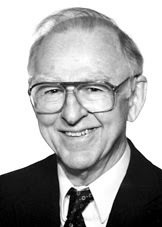
免疫学者「ラルフ・スタインマン」小伝:
膵臓癌と闘い、死去直後にノーベル賞!
2011年ノーベル生理/医学賞受賞
受賞理由: 「樹状細胞」と、獲得免疫におけるその役割の発見
ラルフ・スタインマンは、1943年1月14日 に誕生、2011年9月30日に死去。
カナダのモントリオール市内アシュケナジムに住むユダヤ人の家に生まれる。
父親はアービン・スタインマン(1995年に死亡)、母親はネチー(1917
年生まれ)。父親が呉服店「モーツアルト」を郊外のシャーブルッケに開店した
ので、家族はそちらに引っ越す。ラルフはシャーブルッケ高校を卒業後、モント
リオール市内に住む母方の祖父と祖母の家に間借りしながら、マックギル大学理
学部を優等で卒業。 1968年に、米国ボストンにあるハーバード大学医学部
で博士号を取得後、MGH (大学付属のマサチューセッツ総合病院)でインターンを
修了。その後、ポスドクとして、ニューヨーク市内のロックフェラー大学に転勤
し、免疫学 (特に、「マクロファージュ」と呼ばれる貪食細胞) 研究の大御所で
ある恩師ザンビル・コーン (1926-1993) の下で、獲得免疫に重要な役目を果たす
樹状細胞に関する研究に取り組み始めた。「樹状細胞」という用語は、1973年5月
にスタインマンと恩師コーンによって作られたものである。
Steinman、 R, & Cohn、 Z. Identification of a novel cell type (dendritic
cell) in peripheral lymphoid organs of mice. I. Morphology, quantitation,
tissue distribution. J Exp Med. 1973、137:1142-62.
スタインマン夫婦に長女アレクシス (34) が誕生したのは、樹状細胞の発見から
3ー4年後(1977年頃)のことである。
不幸にして、2007年に、ラルフ・スタインマン教授は「膵臓癌」と診断され、彼
自身が研究の対象としていた「樹状細胞」を使用した「免疫治療」を受ける。幸
い、2011年10月3日、スタインマンにノーベル生理学・医学賞が授与されることが
発表されたが、その直後、スタインマン本人は3日前の9月30日に既に死去してい
たことが、家族により公表された。アレクシスの話によれば、父親ラルフは、受
賞発表前の週に、病床で「死んだら、賞はもらえなくなるから、発表の日まで何
とか頑張らなければ。。。」と冗談まじりに、家族に言い続けていたという。
現在のノーベル賞の規定では「死者には授与しない」とされているが、ノーベル
財団およびカロリンスカ研究所(ノーベル賞の生理学医学部門選考委員会が存在
する機関)が対応を協議した結果、スタインマンの場合は授賞決定の時点で財団
と選考委員会が本人の死去を把握していなかった事情を考慮し、受賞者の選考は
スタインマン本人が存命しているという前提で行われたものであることを再確認
した。その上で、「授賞決定後に本人が死去した場合はその授賞を取り消さない」
とする同賞の規定に準ずる扱いとして、「今回の決定を変えず、スタインマン博
士に賞を贈る」と改めて決定、発表した。
スタインマンの主な受賞歴
* 1999年 ロベルト・コッホ賞
* 2003年 ガードナー国際賞
* 2007年 ラスカー基礎医学研究賞
* 2009年 オールバニ・メディカルセンター賞
* 2011年 ノーベル生理学・医学賞
(ブルース・ボイトラーやジュールス・ホフマンと共同受賞)
受賞理由: 「樹状細胞」と、獲得免疫におけるその役割の発見
ラルフ・スタインマンは、1943年1月14日 に誕生、2011年9月30日に死去。
カナダのモントリオール市内アシュケナジムに住むユダヤ人の家に生まれる。
父親はアービン・スタインマン(1995年に死亡)、母親はネチー(1917
年生まれ)。父親が呉服店「モーツアルト」を郊外のシャーブルッケに開店した
ので、家族はそちらに引っ越す。ラルフはシャーブルッケ高校を卒業後、モント
リオール市内に住む母方の祖父と祖母の家に間借りしながら、マックギル大学理
学部を優等で卒業。 1968年に、米国ボストンにあるハーバード大学医学部
で博士号を取得後、MGH (大学付属のマサチューセッツ総合病院)でインターンを
修了。その後、ポスドクとして、ニューヨーク市内のロックフェラー大学に転勤
し、免疫学 (特に、「マクロファージュ」と呼ばれる貪食細胞) 研究の大御所で
ある恩師ザンビル・コーン (1926-1993) の下で、獲得免疫に重要な役目を果たす
樹状細胞に関する研究に取り組み始めた。「樹状細胞」という用語は、1973年5月
にスタインマンと恩師コーンによって作られたものである。
Steinman、 R, & Cohn、 Z. Identification of a novel cell type (dendritic
cell) in peripheral lymphoid organs of mice. I. Morphology, quantitation,
tissue distribution. J Exp Med. 1973、137:1142-62.
スタインマン夫婦に長女アレクシス (34) が誕生したのは、樹状細胞の発見から
3ー4年後(1977年頃)のことである。
不幸にして、2007年に、ラルフ・スタインマン教授は「膵臓癌」と診断され、彼
自身が研究の対象としていた「樹状細胞」を使用した「免疫治療」を受ける。幸
い、2011年10月3日、スタインマンにノーベル生理学・医学賞が授与されることが
発表されたが、その直後、スタインマン本人は3日前の9月30日に既に死去してい
たことが、家族により公表された。アレクシスの話によれば、父親ラルフは、受
賞発表前の週に、病床で「死んだら、賞はもらえなくなるから、発表の日まで何
とか頑張らなければ。。。」と冗談まじりに、家族に言い続けていたという。
現在のノーベル賞の規定では「死者には授与しない」とされているが、ノーベル
財団およびカロリンスカ研究所(ノーベル賞の生理学医学部門選考委員会が存在
する機関)が対応を協議した結果、スタインマンの場合は授賞決定の時点で財団
と選考委員会が本人の死去を把握していなかった事情を考慮し、受賞者の選考は
スタインマン本人が存命しているという前提で行われたものであることを再確認
した。その上で、「授賞決定後に本人が死去した場合はその授賞を取り消さない」
とする同賞の規定に準ずる扱いとして、「今回の決定を変えず、スタインマン博
士に賞を贈る」と改めて決定、発表した。
スタインマンの主な受賞歴
* 1999年 ロベルト・コッホ賞
* 2003年 ガードナー国際賞
* 2007年 ラスカー基礎医学研究賞
* 2009年 オールバニ・メディカルセンター賞
* 2011年 ノーベル生理学・医学賞
(ブルース・ボイトラーやジュールス・ホフマンと共同受賞)
2011年9月24日土曜日
The Anti-malaria Drug “Artemisinin” Blocks PAK,
Being Potentially Useful for Cancer Therapy.
This year Tu YoYo, a Chinese female scientist in Beijing (born in 1930), won the Lasker (Clinical Medicine) Award for her pioneering work to develop a natural compound called “Artemisinin” as an effective anti-malaria drug useful for the treatment of multi-drug resistant malaria strains. Her project, initially coined “523", began on May 23, 1967, towards the end of Mao’s Cultural Revolution, and several years later her team found in a Chinese traditional medicine called “Qinghao” (Artemisia annua L., or sweet wormwood) this new anti-malaria compound.
Interestingly, this year Christian Doerig’s group in Switzerland found that like AIDS virus and H. pylori (bacteria causing stomach ulcer and cancer) , malaria requires the oncogenic kinase PAK1 for its infection (1). In other words some of currently used anti-malaria drugs could cure malaria by blocking PAK1. Yes, Artemisinin happens to be among these PAK1-blocking anti-malaria drugs. Back to 2007, a group at Chinese Academy of Sciences in Shanghai found that this drug inactivates both the G protein RAS and the kinase RAF in T cells (2), clearly indicating that PAK1 is blocked by this drug, because RAS and RAF work just upstream and downstream of PAK1, respectively.
As previously mentioned, more than 70% of cancers in particular solid tumors such as pancreatic and colon cancers, require PAK1 for their growth. In other words, Artemisinin and other PAK-blocking anti-malaria drugs would be potentially useful for the therapy of these PAK1-dependent tumors as well. Yes, in 2010, a Chinese group at Guangdong Medical College clearly demonstrated that a water-soluble derivative of Artemisinin called “Artesunate” (100 mg/kg, i.p., daily) completely blocks the growth of human pancreatic cancer xenografts in mice without any side effect (3).
References:
1. Sicard, A., Semblat, JP., Doerig, C., Hamelin, R. et al. Activation of PAK-MEK
signaling pathway in Malaria parasite-infected erythrocytes. Cell Microbiol. 2011, 13,
836-45.
2. Wang, JX., Tang, W., Shi, LP., Wan, J. et al. Investigation of the immunosuppressive
activity of artemether on T-cell activation and proliferation. Brit. J. Pharmacol. 2007,
150, 652-61.
3. . Du, JH., Zhang, HD., Ma, ZJ., Ji, KM. Artesunate induces oncosis-like cell death in
vitro and has anti-tumor activity against pancratic cancer xenografts in vivo.
Cancer Chemother. Pharmacol. 2010, 65, 895-902.
Interestingly, this year Christian Doerig’s group in Switzerland found that like AIDS virus and H. pylori (bacteria causing stomach ulcer and cancer) , malaria requires the oncogenic kinase PAK1 for its infection (1). In other words some of currently used anti-malaria drugs could cure malaria by blocking PAK1. Yes, Artemisinin happens to be among these PAK1-blocking anti-malaria drugs. Back to 2007, a group at Chinese Academy of Sciences in Shanghai found that this drug inactivates both the G protein RAS and the kinase RAF in T cells (2), clearly indicating that PAK1 is blocked by this drug, because RAS and RAF work just upstream and downstream of PAK1, respectively.
As previously mentioned, more than 70% of cancers in particular solid tumors such as pancreatic and colon cancers, require PAK1 for their growth. In other words, Artemisinin and other PAK-blocking anti-malaria drugs would be potentially useful for the therapy of these PAK1-dependent tumors as well. Yes, in 2010, a Chinese group at Guangdong Medical College clearly demonstrated that a water-soluble derivative of Artemisinin called “Artesunate” (100 mg/kg, i.p., daily) completely blocks the growth of human pancreatic cancer xenografts in mice without any side effect (3).
References:
1. Sicard, A., Semblat, JP., Doerig, C., Hamelin, R. et al. Activation of PAK-MEK
signaling pathway in Malaria parasite-infected erythrocytes. Cell Microbiol. 2011, 13,
836-45.
2. Wang, JX., Tang, W., Shi, LP., Wan, J. et al. Investigation of the immunosuppressive
activity of artemether on T-cell activation and proliferation. Brit. J. Pharmacol. 2007,
150, 652-61.
3. . Du, JH., Zhang, HD., Ma, ZJ., Ji, KM. Artesunate induces oncosis-like cell death in
vitro and has anti-tumor activity against pancratic cancer xenografts in vivo.
Cancer Chemother. Pharmacol. 2010, 65, 895-902.
2011年9月20日火曜日
抗マラリア薬 「アルテミシニン」もPAK遮断剤!
北京の女性科学者 (1930年生まれ)、屠ヨウヨウ氏(ヨウは口偏に「幼」) が、1972年
頃に抗マラリア作用のある中国伝統の漢方薬、ヨモギ属の植物であるクソニンジ
ン (Artemisia annua) から、アレテミシニン (青蒿素) という有効成分を同定し、
それをクロロキンなどの従来の抗マラリア薬に耐性を示すマラリアにも効く新し
い治療薬として、開発した業績に対して、2011年にラスカー(臨床医学) 賞が贈ら
れた。中国では、彼女をアジア最初の女性ノーベル賞候補として、高く評価して
いる。
前述したが、マラリア感染には、エイズ感染やピロリ菌感染と同様、宿主細胞内の
PAKと呼ばれるキナーゼが活性化されることが必須であることが、最近になって判
明した。従って、これらの伝染病の治療薬の中に、PAK遮断剤が発掘される可能性
が十分ある。実際、マラリアや癌の治療に使われているクロロキンやグローカルビノン、
クルクミン、レスベラトロール、プロポリスなどの生薬には、PAK遮断作用があ
ることが既に知られている。
面白いことには、2007年頃に、上海にある中国科学アカデミーの王グループによっ
て、アルテミシニンがT 細胞で、RAS や RAFを抑制することが報告されているこ
とがわかった。PAKがRASにより活性化され、更にRAFを活性化することから、アル
テミシニンもPAKを遮断することは明白である (1)。 さらに、マウスなどを使う動物
実験 (水溶性誘導体 「アルテスネイト」、100 mg/kg) で、PAK依存性のすいぞう癌
などの増殖が強く抑制されることが、広東医科大学のグループによって報告
されている (2)。 これらの抗マラリア薬は、従来の制癌剤と違って、
副作用が極めて少なく、また (開発途上国向けに生産、販売されているため)、
薬価が極めて安い (毎日の経口量が 50-100 mg で、 50mg 錠剤が200円)。
皮肉なことであるが、この「アルテミシニン」開発プロジェクトは、ベトナム戦争
の副産物だった。中国国内では、1967年当時、もはやマラリアはそれほど蔓延し
ていなかったが、(ベトコンを助けるために) ベトナム戦争に従軍した八路軍
(中国軍) には、密林でマラリアに感染して病死する兵士が絶えなかった。そこで、
毛沢東の命令により、マラリア撲滅プロジェクト (523) が、(「文化大革命」末
期の) 1967年5月23日に開始された。その指揮を取ったのが、当時37歳のこの
女性科学者だった。従って、もし「ベトナム戦争」がなかったら、恐らく「アルテミ
シニン」は、中国では誕生しなかっただろう。。。
参考文献:
1. Wang, JX., Tang, W., Shi, LP., Wan, J. et al. Investigation of the immunosuppressive activity of artemether on T-cell activation and proliferation. Brit. J. Pharmacol. 2007, 150, 652-61.
2. Du, JH., Zhang, HD., Ma, ZJ., Ji, KM. Artesunate induces oncosis-like cell death in vitro and has anti-tumor activity against pancratic cancer xenografts in vivo.
Cancer Chemother. Pharmacol. 2010, 65, 895-902.
頃に抗マラリア作用のある中国伝統の漢方薬、ヨモギ属の植物であるクソニンジ
ン (Artemisia annua) から、アレテミシニン (青蒿素) という有効成分を同定し、
それをクロロキンなどの従来の抗マラリア薬に耐性を示すマラリアにも効く新し
い治療薬として、開発した業績に対して、2011年にラスカー(臨床医学) 賞が贈ら
れた。中国では、彼女をアジア最初の女性ノーベル賞候補として、高く評価して
いる。
前述したが、マラリア感染には、エイズ感染やピロリ菌感染と同様、宿主細胞内の
PAKと呼ばれるキナーゼが活性化されることが必須であることが、最近になって判
明した。従って、これらの伝染病の治療薬の中に、PAK遮断剤が発掘される可能性
が十分ある。実際、マラリアや癌の治療に使われているクロロキンやグローカルビノン、
クルクミン、レスベラトロール、プロポリスなどの生薬には、PAK遮断作用があ
ることが既に知られている。
面白いことには、2007年頃に、上海にある中国科学アカデミーの王グループによっ
て、アルテミシニンがT 細胞で、RAS や RAFを抑制することが報告されているこ
とがわかった。PAKがRASにより活性化され、更にRAFを活性化することから、アル
テミシニンもPAKを遮断することは明白である (1)。 さらに、マウスなどを使う動物
実験 (水溶性誘導体 「アルテスネイト」、100 mg/kg) で、PAK依存性のすいぞう癌
などの増殖が強く抑制されることが、広東医科大学のグループによって報告
されている (2)。 これらの抗マラリア薬は、従来の制癌剤と違って、
副作用が極めて少なく、また (開発途上国向けに生産、販売されているため)、
薬価が極めて安い (毎日の経口量が 50-100 mg で、 50mg 錠剤が200円)。
皮肉なことであるが、この「アルテミシニン」開発プロジェクトは、ベトナム戦争
の副産物だった。中国国内では、1967年当時、もはやマラリアはそれほど蔓延し
ていなかったが、(ベトコンを助けるために) ベトナム戦争に従軍した八路軍
(中国軍) には、密林でマラリアに感染して病死する兵士が絶えなかった。そこで、
毛沢東の命令により、マラリア撲滅プロジェクト (523) が、(「文化大革命」末
期の) 1967年5月23日に開始された。その指揮を取ったのが、当時37歳のこの
女性科学者だった。従って、もし「ベトナム戦争」がなかったら、恐らく「アルテミ
シニン」は、中国では誕生しなかっただろう。。。
参考文献:
1. Wang, JX., Tang, W., Shi, LP., Wan, J. et al. Investigation of the immunosuppressive activity of artemether on T-cell activation and proliferation. Brit. J. Pharmacol. 2007, 150, 652-61.
2. Du, JH., Zhang, HD., Ma, ZJ., Ji, KM. Artesunate induces oncosis-like cell death in vitro and has anti-tumor activity against pancratic cancer xenografts in vivo.
Cancer Chemother. Pharmacol. 2010, 65, 895-902.
登録:
投稿 (Atom)











![リオ五輪男子体操団体:日本(金)、ロシア[銀]、中国[銅]。](https://blogger.googleusercontent.com/img/b/R29vZ2xl/AVvXsEjHS61FORcH43CteZVfJzLmbqvNwOIliOSMpTpRtEi7x8j1ZwPk5rDaZovTrwuZxfDDtdEDSj673it735LF0mweIunaj7ja07lURBDYTV6wPMaAlumFt3aWWzYbHZgIaxcOLk_OKEMyQ3lX/s1600/2016+taiso+gold.jpg)
![皇太子(明仁)による沖縄訪問 [1975年]](https://blogger.googleusercontent.com/img/b/R29vZ2xl/AVvXsEjvSQrzV7yw_4gVQSwxZP_jh4VnEJscSqOqbiBh0VdAK3CRddXRqkd70JdLyws9fGejk-FGVmXWbHvSxlF3f8UogTyf9KXbqU1NGXesvcx2Hlsd6uq81AHweeioc61wynq3d2IYuyolijgT/s1600/akihito+message.jpg)










![アルニカ [ウサギ菊]](https://blogger.googleusercontent.com/img/b/R29vZ2xl/AVvXsEilqv0qou-4NpoUh1PFWYK0FSaozKazee0VYGxsFtfjBma46ya9yxqB6X9Ziuob25tNRpBbnFIcUFlOEjz1WcAjVNzjGl1E-QbDgE7VOLkjZDx0eplJ1WJHf0fTEWXxf8F5G-cHUhqHELY9/s1600/ArnicaS.jpg)







.jpg)







































.jpg)