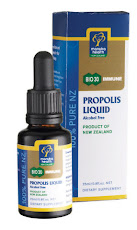
奇跡の薬「アスピリン」を巡る壮絶な世紀の競争はなお続く
ドイツの「バイエル薬品」が1899年に「アスピリン」という商標で、鎮痛剤
を市販し始めてから、既に100年以上の歳月が経っているが、この薬を巡る企
業間の激しい競争や新しい薬効を見つけ出そうとする医学研究は、今なお続いて
いる。この薬の化学名は「アセチルサリチル酸」(ASA)である。実は、この
化合物は、1763年に英国の町医者 (牧師) エドワード・ストーン が柳の幹の
皮中に発見した生薬「サリチル酸」(SA)を、1897年になって、ドイツの
バイエル社の若き有機化学者 フェリックス・ホフマン がアセチル化して作った
誘導体である。SA自身は酸性が強過ぎ、胃腸に激しい副作用を起こすので、そ
れを中和するために、アセチル化したわけである。実は当時、ホフマンの父親が
重症のリューマチに悩んでいたので、その治療 (鎮痛/消炎) 薬としてSAをま
ず飲ませたが、副作用が強く、それを何とか緩和するために、アセチル誘導体
(ASA)の合成に取り組んだというわけである。この「アスピリン」は、薬業
界でたちまち大ヒットをもたらし、バイエル社は、この鎮痛剤で大儲けをした。
しかし、この薬の成功は、それだけには留まらなかった。その後(20世紀後半)、
英国のジョン・ベインらにより、アスピリンの主な標的が「プロスタグランディ
ン」という脂肪性ホルモンを合成する酵素「サイクロオキシゲナーゼ」(COXー
2)であることが発見されると共に、アスピリンが血小板の凝集を抑えることが
発見され、血栓、心筋梗塞、脳溢血などの循環系病の特効薬としても処方され始
めた。更にごく最近(今世紀初め)には、この酵素「COXー2」の発癌作用を
も抑えることが報告されている。従って、このいわば「万能薬」をめぐって、業
界や医学界で、初陣、先陣を競い合う壮絶な販売/研究競争が、その発見以来一
世紀以上にわたって続いている。 この単行本(邦訳)は、その歴史を、一般大衆
にも理解しやすく面白く綴った、血湧き肉躍る「アスピリン発見/開発物語」で
ある。学生、研究者、業界のビジネスマンにも、大変に参考になる本である。一
読をぜひ勧めたい。
この世紀にわたる「アスピリン戦争」は、泥沼の「ベトナム戦争」、「イラク戦争」、
「アフガン戦争」とは全く違い、難病に苦しむ無数の患者の命を救うべき「知的
な戦い」なので、読んでいて実に胸がすくむ。。。
2010年2月8日月曜日

2010年2月7日日曜日
PAK1-RAF-Cox-2 Signaling:
Essential for Cancer and Inflammation
It has been discussed previously that the kinase PAK1 is essential for both
the growth of more than 70% of human cancers and inflammatory diseases such
as asthma and arthritis. Thus, anti-PAK1 drugs (synthetic or natural) such
as FK228 and propolis would be useful for the therapy of these formidable
diseases.
Interestingly, it has been reported recently that an enzyme called COX-2
(cyclooxygenase-2) is also required for both cancer growth and inflammation.
Furthermore, OSU-03012, a derivative of the anti-Cox-2 drug "Celecoxib"
was found by Matt Ringel's group at OSU in 2007 to inhibit directly PAK1.
So I wonder if PAK1 and Cox-2 are somehow closely linked in the regulation
of both cancer growth and inflammation.
In this context, it should be noted that several anti-PAK1 products such
as FK228, CAPE, curcumin, resveratrol, capsaicin, berberine, Ivermectin,
DPM (dipyridamole), PP1 and OSU-03012 have been reported previously
to block the expression of Cox-2 gene, strongly suggesting the possibility
that PAK1 acts up-stream of this gene.
It is well known that the oncogenic RAS activates both the kinase PAK1 and
Cox-2 gene. Is PAK1 essential for the RAS-induced activation of Cox-2 gene?
YES, in 2008 Lee Slice's group at UCLA found that activation of Cox-2 gene
indeed requires PAK1, as a dominant negative mutant of PAK1 blocks the Cox-2
gene expression, and a constitutively active mutant of PAK1 alone can activate
Cox-2 gene (see below):
Hung Phama, Romina Vincentia and Lee Slice (2008)
COX-2 promoter activation by AT1R-Gq-PAK-p38 signaling in intestinal epithelial
cells.
Biochimica et Biophysica Acta (BBA) - Gene Regulatory Mechanisms
1779, 408-413.
What does Cox-2? It is an enzyme that produces a group of hormones called
prostaglandins (PGs) from a fatty acid called arachidonic acid. PGs causes
contraction of smooth muscles such as those in blood vessel and uterus,
and inflammation associated with aching joints, arthritis and asthma. Around
1971, John Vane's group in London discovered that Aspirin and many other
NSAIDs (non-steroidal anti-inflammatory drugs) block the production of PGs
by inhibiting cyclooxygenases such as Cox-2. In 1982, for this historical
discovery of theirs, they shared a Nobel prize in physiology and medicine.
Thus, Cox-2 inhibitors such as Aspirin and celecoxib as well as anti-PAK1
products such as FK228 and propolis suppress pain, fever and inflammation,
in addition to the growth of cancers.
How can PGs cause cancers? RAS activates Cox-2 gene through PAK1 and Raf, and in
turn Cox-2 derived PGs such as PGE(2) constitutively activates PAS, and
eventually activates PAK1 and Raf.
In other words, RAS, PAK1, Raf and COX-2 form a highly vicious oncogenic cycle.
Now I am very curious to know if Aspirin inactivates PAK1 or Raf. Like many other
NSAIDs such as Sulindac Sulfide, Aspirin blocks both cancer growth and inflammation, and inactivates
Cox-2 gene. Furthermore, it suppresses both angiogenesis and matastasis
of cancers. These anti-cancer properties appears to be among the typical
"finger-print" properties of anti-PAK1/anti-Raf drugs.
To our great surprise, like Sulindac Sulfide (5 micro M), Aspirin (500 micro M) directly blocks the RAS-Raf interaction and inactivates the kinase PAK1,
according to the recent paper from Wen-Chun Hung's group in Taiwan (see below):
Mei-Ren Pan, Hui-Chiu Chang and Wen-Chun Hung (2008)
Non-steroidal anti-inflammatory drugs (NSAIDs) suppress the ERK signaling
pathway via block of Ras/c-Raf interaction and activation of MAP kinase
phosphatases.
Cellular Signalling, 20, 1134-1141.
To be continued
the growth of more than 70% of human cancers and inflammatory diseases such
as asthma and arthritis. Thus, anti-PAK1 drugs (synthetic or natural) such
as FK228 and propolis would be useful for the therapy of these formidable
diseases.
Interestingly, it has been reported recently that an enzyme called COX-2
(cyclooxygenase-2) is also required for both cancer growth and inflammation.
Furthermore, OSU-03012, a derivative of the anti-Cox-2 drug "Celecoxib"
was found by Matt Ringel's group at OSU in 2007 to inhibit directly PAK1.
So I wonder if PAK1 and Cox-2 are somehow closely linked in the regulation
of both cancer growth and inflammation.
In this context, it should be noted that several anti-PAK1 products such
as FK228, CAPE, curcumin, resveratrol, capsaicin, berberine, Ivermectin,
DPM (dipyridamole), PP1 and OSU-03012 have been reported previously
to block the expression of Cox-2 gene, strongly suggesting the possibility
that PAK1 acts up-stream of this gene.
It is well known that the oncogenic RAS activates both the kinase PAK1 and
Cox-2 gene. Is PAK1 essential for the RAS-induced activation of Cox-2 gene?
YES, in 2008 Lee Slice's group at UCLA found that activation of Cox-2 gene
indeed requires PAK1, as a dominant negative mutant of PAK1 blocks the Cox-2
gene expression, and a constitutively active mutant of PAK1 alone can activate
Cox-2 gene (see below):
Hung Phama, Romina Vincentia and Lee Slice (2008)
COX-2 promoter activation by AT1R-Gq-PAK-p38 signaling in intestinal epithelial
cells.
Biochimica et Biophysica Acta (BBA) - Gene Regulatory Mechanisms
1779, 408-413.
What does Cox-2? It is an enzyme that produces a group of hormones called
prostaglandins (PGs) from a fatty acid called arachidonic acid. PGs causes
contraction of smooth muscles such as those in blood vessel and uterus,
and inflammation associated with aching joints, arthritis and asthma. Around
1971, John Vane's group in London discovered that Aspirin and many other
NSAIDs (non-steroidal anti-inflammatory drugs) block the production of PGs
by inhibiting cyclooxygenases such as Cox-2. In 1982, for this historical
discovery of theirs, they shared a Nobel prize in physiology and medicine.
Thus, Cox-2 inhibitors such as Aspirin and celecoxib as well as anti-PAK1
products such as FK228 and propolis suppress pain, fever and inflammation,
in addition to the growth of cancers.
How can PGs cause cancers? RAS activates Cox-2 gene through PAK1 and Raf, and in
turn Cox-2 derived PGs such as PGE(2) constitutively activates PAS, and
eventually activates PAK1 and Raf.
In other words, RAS, PAK1, Raf and COX-2 form a highly vicious oncogenic cycle.
Now I am very curious to know if Aspirin inactivates PAK1 or Raf. Like many other
NSAIDs such as Sulindac Sulfide, Aspirin blocks both cancer growth and inflammation, and inactivates
Cox-2 gene. Furthermore, it suppresses both angiogenesis and matastasis
of cancers. These anti-cancer properties appears to be among the typical
"finger-print" properties of anti-PAK1/anti-Raf drugs.
To our great surprise, like Sulindac Sulfide (5 micro M), Aspirin (500 micro M) directly blocks the RAS-Raf interaction and inactivates the kinase PAK1,
according to the recent paper from Wen-Chun Hung's group in Taiwan (see below):
Mei-Ren Pan, Hui-Chiu Chang and Wen-Chun Hung (2008)
Non-steroidal anti-inflammatory drugs (NSAIDs) suppress the ERK signaling
pathway via block of Ras/c-Raf interaction and activation of MAP kinase
phosphatases.
Cellular Signalling, 20, 1134-1141.
To be continued
2010年2月1日月曜日
夾竹桃(きょうちくとう、Oleander):
その有毒な配糖体「Oleandrin」には強い抗癌作用もある。
引っ越し先の近所の街路樹 (潅木) の一つになっている、この鮮やかなピンク色
の花に魅せられて、我が家の門前にも一本植えてみようとにわかに思い立ち、日
本のとある有名な植物学者に、その潅木の名前を問い合わせたところ、「夾竹桃」
という猛毒な花木であることが判明した。「美しい花には (女性もしかりだが)
刺や毒が付き物である」ようだ。
その主な有毒物質が配糖体「Oleandrin」であることが既に判明していたので、更
にその薬理作用を文献で詳しく調べてみるうちに、この配糖体には、強い抗癌作
用もあることがわかり、意外な事実に驚かされた。実は10年ほど前から、テキ
サス大学の癌センターのロバート・ニューマン教授の研究室で、この配糖体の抗
癌作用メカニズムが研究されつつある。まだ確証はないが、どうやら我が専門の
発癌性キナーゼ「PAK」も遮断するらしい。従って、致死量 (LD50=0.3 mg/kg)
よりもずっと低い濃度を使えば、(FK228やプロポリス同様) 様々な癌や難病
の治療薬として、有効である可能性が出つつある。面白いことに、この配糖体は、
ヒト由来の癌には毒性があるが、マウス由来の癌にはなぜか毒性を全く示さない。
不思議だ!
というわけで、 毒の性格を良く理解し上手に取り扱えば、良薬にも変身できると
いうわけである。ついでながら、漢方では (朝鮮人参のごとく) その葉を強心剤
や利尿薬として利用しているそうである。
けだし、従来の探偵 (スリラー) 小説には、夾竹桃エキス(乳液)が暗殺 (毒殺)
の武器として、しばしば登場していたが、未来小説では、姿を変えて、難病の
特効薬として活躍してくるようになれば、すこぶる面白い!
の花に魅せられて、我が家の門前にも一本植えてみようとにわかに思い立ち、日
本のとある有名な植物学者に、その潅木の名前を問い合わせたところ、「夾竹桃」
という猛毒な花木であることが判明した。「美しい花には (女性もしかりだが)
刺や毒が付き物である」ようだ。
その主な有毒物質が配糖体「Oleandrin」であることが既に判明していたので、更
にその薬理作用を文献で詳しく調べてみるうちに、この配糖体には、強い抗癌作
用もあることがわかり、意外な事実に驚かされた。実は10年ほど前から、テキ
サス大学の癌センターのロバート・ニューマン教授の研究室で、この配糖体の抗
癌作用メカニズムが研究されつつある。まだ確証はないが、どうやら我が専門の
発癌性キナーゼ「PAK」も遮断するらしい。従って、致死量 (LD50=0.3 mg/kg)
よりもずっと低い濃度を使えば、(FK228やプロポリス同様) 様々な癌や難病
の治療薬として、有効である可能性が出つつある。面白いことに、この配糖体は、
ヒト由来の癌には毒性があるが、マウス由来の癌にはなぜか毒性を全く示さない。
不思議だ!
というわけで、 毒の性格を良く理解し上手に取り扱えば、良薬にも変身できると
いうわけである。ついでながら、漢方では (朝鮮人参のごとく) その葉を強心剤
や利尿薬として利用しているそうである。
けだし、従来の探偵 (スリラー) 小説には、夾竹桃エキス(乳液)が暗殺 (毒殺)
の武器として、しばしば登場していたが、未来小説では、姿を変えて、難病の
特効薬として活躍してくるようになれば、すこぶる面白い!
2010年1月30日土曜日
「2型糖尿病」の特効薬(メトフォルミン)がNFや癌の治療にも有望!
伝承薬(フランス産のライラック(=リラの花)エキス)に基づいて、ドイツで開発された
「2型糖尿病」の特効薬(メトフォルミン)で、欧州では半世紀以上使用されて
いる安全かつ安価な薬 (一日の薬価が30ー40円) が、最近、癌やNFの治療
にも有望であるという動物実験データが出ています。
従って、NZ産プロポリス(Bio 30)を飲んでも「現状維持」(腫瘍の増殖
や発生は抑えるが、腫瘍が萎縮しない)という場合には、服用量を2ー3倍に増
やすか、メトフォルミン (塩酸) 錠を併用 (250 mg 錠を一日2ー3回服用)
することをお勧めします。
メトフォルミン (塩酸) 錠 (メルビン錠):
http://www.interq.or.jp/ox/dwm/se/se39/se3962002.html
250mg 錠, 10円弱、 一日2ー3錠服用、最高(一日)1000mg まで
禁忌: 妊娠中、乳酸アシドーシス(酸血症)、腎不全、うっ血性心不全の患者
は、(副作用が出る可能性があるので) 使用を避ける。
「2型糖尿病」の特効薬(メトフォルミン)で、欧州では半世紀以上使用されて
いる安全かつ安価な薬 (一日の薬価が30ー40円) が、最近、癌やNFの治療
にも有望であるという動物実験データが出ています。
従って、NZ産プロポリス(Bio 30)を飲んでも「現状維持」(腫瘍の増殖
や発生は抑えるが、腫瘍が萎縮しない)という場合には、服用量を2ー3倍に増
やすか、メトフォルミン (塩酸) 錠を併用 (250 mg 錠を一日2ー3回服用)
することをお勧めします。
メトフォルミン (塩酸) 錠 (メルビン錠):
http://www.interq.or.jp/ox/dwm/se/se39/se3962002.html
250mg 錠, 10円弱、 一日2ー3錠服用、最高(一日)1000mg まで
禁忌: 妊娠中、乳酸アシドーシス(酸血症)、腎不全、うっ血性心不全の患者
は、(副作用が出る可能性があるので) 使用を避ける。
2010年1月28日木曜日
Metformin: An Old Synthetic Anti-diabetic Drug
that Could Serve as an Anti-Cancer Drug and Expand Life Span.
Metformin (N-dimethyl formin) is an inexpensive and safe oral anti-diabetic
(prescription) drug, the first-line synthetic drug of choice for the treatment
of type 2 diabetes, particularly in overweight and obese people. It is the
simplest and most potent version of natural anti-diabetic biguanides (phenformin
and buformin) from Galega officinalis, a herbal weed called French lilac.
Though first synthesized in 1922 by Emil Werner and James Belland and found
in 1929 by Slotta and Tschesche to reduce blood sugar in rabbits, it was
forgotten for a few decades until 1957, when French physician Jean Sterne
(1909-1997)published the first clinical trial of metformin as a treatment for diabetes.
It was then introduced to UK in 1958, Canada in 1972, and US in 1995.
However, around the turn of century (2001-2002), a few groups found that Metformin
activates the kinase AMPK which is essential for glucose uptake into cells.
Interestingly, AMPK contributes to the activation of the tumor suppressing
transcription factor "FOXO" which is essential for longevity in mammals
and nematodes such as C. elegans. In other words Metformin could serve as
an "elixir" and anti-cancer drug as well.
Parviz Pour's team at University of Nebraska Medical Center was among the
first groups who realized the close relationship between diabetes and cancer,
in particular pancreatic cancer, and actually proved for the first time
that Metforming can prevent the development of pancreatic cancer in hamsters:
Schneider, M., Matsuzaki, H., Haorah, J., Ulrich, A., Standop, J., Ding,
XZ, Adrian, T., Pour, P. (2001).
Prevention of pancreatic cancer induction in hamsters by metformin.
Gastroenterology, 120, 1263-70.
A few papers suggest that Metformin causes its anti-cancer action not only through the AMPK-dependent pathway, but also through an AMPK-dispensable pathway.
Since this drug blocks angiogenesis and inflammation both of which require the kinase PAK1, I suspect that, like propolis and an old drug "Ivermectin", this drug must inactivate PAK1 somehow. In this context, it should be worth to note that there are several precedents among natural anti-cancer/anti-diabetic products that both activate AMPK and inactivate PAK: CAPE in propolis, resveratrol (R3) in red grapes, curcumin in Indian curry, capsaicin in Chili pepper, and berberine. Indeed, a 2010 paper from Makoto Taketo's group at Kyoto University clearly indicates that the kinase LKB1, which activates AMPK, inactivates PAK1 directly. In other words, Merformin, which activates LKB1, eventually both inactivates PAK1 and activates AMPK.
These examples even prompt us to hypothesize that they activate AMPK by inactivating PAK which might normally suppresses AMPK. Thus, it is not a surprise that Metformin inhibits the growth of breast and ovarian cancer cells in vitro as well as pancreatic cancer xenograft in mice, all of which require PAK1. So it would be worth testing its therapeutic effect on other formidable PAK1-dependent tumors such as those associated with NF (neurofibromatosis) and TSC (Tuberous Sclerosis).
Here are a few recent reports, suggesting its anti-cancer and life-span
expanding properties:
1) Gotlieb, W., Saumet, J., Beauchamp, M., Gu, J., Lau, S., Pollak, M., Bruchim,I.(2008).
In vitro metformin anti-neoplastic activity in epithelial ovarian cancer.
Gynecol Oncol. 110, 246-50.
Abstract:
OBJECTIVE: Metformin, a commonly used drug in the treatment of type II diabetes,
may reduce cancer risk and improve cancer prognosis. We evaluated its effect
on epithelial ovarian cancer cell lines.
METHODS: The OVCAR-3 and OVCAR-4 cell lines were exposed to metformin with
and without cisplatin. Cytotoxicity assays were performed in triplicates
using the Alamar colorimetric assay. Levels of total and phosphorylated
AMPK, p70S6K and S6K were evaluated by Western blotting following exposure
to metformin.
RESULTS: Metformin induces dose- and time-dependent growth inhibition of
OVCAR-3 and OVCAR-4 cell lines. Metformin potentiated the effect of cisplatin
in vitro. Metformin growth inhibition was partly abolished by the AMPK inhibitor,
compound C. Western blotting demonstrated that metformin at cytotoxic concentrations,
induced AMPK phosphorylation and decreased p70S6K and S6K phosphorylation,
suggesting the mechanism for its anti-proliferative action.
CONCLUSION: Metformin significantly inhibits the growth of ovarian cancer
cell lines and potentiates cisplatin. Further pre-clinical studies are being
conducted to determine the applicability of metformin in the treatment of
ovarian cancer.
2) Irina Alimova, Bolin Liu, Zeying Fan, Susan Edgerton, Thomas Dillon,
Stuart Lind and Ann Thor (2009).
Metformin inhibits breast cancer cell growth, colony formation and induces
cell cycle arrest in vitro
Cell Cycle, 8, 909 - 915
Abstract:
The anti-diabetic drug metformin reduces human cancer incidence and improves
the survival of cancer patients, including those with breast cancer. We
studied the activity of metformin against diverse molecular subtypes of
breast cancer cell lines in vitro. Metformin showed biological activity
against all estrogen receptor (ER) positive and negative, ErbB2 normal and
abnormal breast cancer cell lines tested. It inhibited cellular proliferation,
reduced colony formation and caused partial cell cycle arrest at the G1
checkpoint. Metformin did not induce apoptosis in luminal A, B or ErbB2 subtype
breast cancer cell lines. At the molecular level, metformin causes a reduction
of cyclin D1 and E2F1 expression, but with no changes in CDK inhibitors
(either p27 or p21). It inhibited the kinase activity of ERK and Akt, as
well as the target of rapamycin (TOR) in all breast cancer cells. In ErbB2-over-expressing breast cancer cell lines, metformin reduced both expression (at higher concentrations) and Tyr-kinase activity of ErbB2 (at lower concentrations). These data suggest that metformin may have potential therapeutic utility against a wide variety of breast cancer cells.
3) Brian Onken and Monica Driscoll (2010).
Metformin Induces a Dietary Restriction-like State and the Oxidative Stress
Response to Extend C. elegans Healthspan via AMPK, LKB1, and SKN-1
PLoS One. 5, e8758.
Abstract
Metformin, a biguanide drug commonly used to treat type-2 diabetes, has
been noted to extend health span of nondiabetic mice, but this outcome,
and the molecular mechanisms that underlie it, have received relatively
little experimental attention. To develop a genetic model for study of biguanide
effects on health span, we investigated metformin impact on aging C. elegans.
We found that metformin increases nematode health span, slowing lipofuscin
accumulation, extending median life span, and prolonging youthful locomotory
ability in a dose-dependent manner. Genetic data suggest that metformin
acts through a mechanism similar to that operative in eating-impaired dietary
restriction (DR) mutants, but independent of the insulin signaling pathway.
Energy sensor AMPK and its activator LKB1, which are activated in mammals
by metformin treatment, are essential for health benefits in C. elegans,
suggesting that metformin engages a metabolic loop conserved across phyla.
We also show that the conserved oxidative stress-responsive transcription
factor SKN-1/Nrf2 is essential for metformin health span benefits in C.
elegans, a mechanistic requirement not previously described in mammals.
skn-1, which functions in nematode sensory neurons to promote DR longevity
benefits and in intestines for oxidative stress resistance life span benefits,
must be expressed in both neurons and intestines for metformin-promoted
health span extension, supporting that metformin improves healthy middle-life
aging by activating both DR and antioxidant defense longevity pathways.
(prescription) drug, the first-line synthetic drug of choice for the treatment
of type 2 diabetes, particularly in overweight and obese people. It is the
simplest and most potent version of natural anti-diabetic biguanides (phenformin
and buformin) from Galega officinalis, a herbal weed called French lilac.
Though first synthesized in 1922 by Emil Werner and James Belland and found
in 1929 by Slotta and Tschesche to reduce blood sugar in rabbits, it was
forgotten for a few decades until 1957, when French physician Jean Sterne
(1909-1997)published the first clinical trial of metformin as a treatment for diabetes.
It was then introduced to UK in 1958, Canada in 1972, and US in 1995.
However, around the turn of century (2001-2002), a few groups found that Metformin
activates the kinase AMPK which is essential for glucose uptake into cells.
Interestingly, AMPK contributes to the activation of the tumor suppressing
transcription factor "FOXO" which is essential for longevity in mammals
and nematodes such as C. elegans. In other words Metformin could serve as
an "elixir" and anti-cancer drug as well.
Parviz Pour's team at University of Nebraska Medical Center was among the
first groups who realized the close relationship between diabetes and cancer,
in particular pancreatic cancer, and actually proved for the first time
that Metforming can prevent the development of pancreatic cancer in hamsters:
Schneider, M., Matsuzaki, H., Haorah, J., Ulrich, A., Standop, J., Ding,
XZ, Adrian, T., Pour, P. (2001).
Prevention of pancreatic cancer induction in hamsters by metformin.
Gastroenterology, 120, 1263-70.
A few papers suggest that Metformin causes its anti-cancer action not only through the AMPK-dependent pathway, but also through an AMPK-dispensable pathway.
Since this drug blocks angiogenesis and inflammation both of which require the kinase PAK1, I suspect that, like propolis and an old drug "Ivermectin", this drug must inactivate PAK1 somehow. In this context, it should be worth to note that there are several precedents among natural anti-cancer/anti-diabetic products that both activate AMPK and inactivate PAK: CAPE in propolis, resveratrol (R3) in red grapes, curcumin in Indian curry, capsaicin in Chili pepper, and berberine. Indeed, a 2010 paper from Makoto Taketo's group at Kyoto University clearly indicates that the kinase LKB1, which activates AMPK, inactivates PAK1 directly. In other words, Merformin, which activates LKB1, eventually both inactivates PAK1 and activates AMPK.
These examples even prompt us to hypothesize that they activate AMPK by inactivating PAK which might normally suppresses AMPK. Thus, it is not a surprise that Metformin inhibits the growth of breast and ovarian cancer cells in vitro as well as pancreatic cancer xenograft in mice, all of which require PAK1. So it would be worth testing its therapeutic effect on other formidable PAK1-dependent tumors such as those associated with NF (neurofibromatosis) and TSC (Tuberous Sclerosis).
Here are a few recent reports, suggesting its anti-cancer and life-span
expanding properties:
1) Gotlieb, W., Saumet, J., Beauchamp, M., Gu, J., Lau, S., Pollak, M., Bruchim,I.(2008).
In vitro metformin anti-neoplastic activity in epithelial ovarian cancer.
Gynecol Oncol. 110, 246-50.
Abstract:
OBJECTIVE: Metformin, a commonly used drug in the treatment of type II diabetes,
may reduce cancer risk and improve cancer prognosis. We evaluated its effect
on epithelial ovarian cancer cell lines.
METHODS: The OVCAR-3 and OVCAR-4 cell lines were exposed to metformin with
and without cisplatin. Cytotoxicity assays were performed in triplicates
using the Alamar colorimetric assay. Levels of total and phosphorylated
AMPK, p70S6K and S6K were evaluated by Western blotting following exposure
to metformin.
RESULTS: Metformin induces dose- and time-dependent growth inhibition of
OVCAR-3 and OVCAR-4 cell lines. Metformin potentiated the effect of cisplatin
in vitro. Metformin growth inhibition was partly abolished by the AMPK inhibitor,
compound C. Western blotting demonstrated that metformin at cytotoxic concentrations,
induced AMPK phosphorylation and decreased p70S6K and S6K phosphorylation,
suggesting the mechanism for its anti-proliferative action.
CONCLUSION: Metformin significantly inhibits the growth of ovarian cancer
cell lines and potentiates cisplatin. Further pre-clinical studies are being
conducted to determine the applicability of metformin in the treatment of
ovarian cancer.
2) Irina Alimova, Bolin Liu, Zeying Fan, Susan Edgerton, Thomas Dillon,
Stuart Lind and Ann Thor (2009).
Metformin inhibits breast cancer cell growth, colony formation and induces
cell cycle arrest in vitro
Cell Cycle, 8, 909 - 915
Abstract:
The anti-diabetic drug metformin reduces human cancer incidence and improves
the survival of cancer patients, including those with breast cancer. We
studied the activity of metformin against diverse molecular subtypes of
breast cancer cell lines in vitro. Metformin showed biological activity
against all estrogen receptor (ER) positive and negative, ErbB2 normal and
abnormal breast cancer cell lines tested. It inhibited cellular proliferation,
reduced colony formation and caused partial cell cycle arrest at the G1
checkpoint. Metformin did not induce apoptosis in luminal A, B or ErbB2 subtype
breast cancer cell lines. At the molecular level, metformin causes a reduction
of cyclin D1 and E2F1 expression, but with no changes in CDK inhibitors
(either p27 or p21). It inhibited the kinase activity of ERK and Akt, as
well as the target of rapamycin (TOR) in all breast cancer cells. In ErbB2-over-expressing breast cancer cell lines, metformin reduced both expression (at higher concentrations) and Tyr-kinase activity of ErbB2 (at lower concentrations). These data suggest that metformin may have potential therapeutic utility against a wide variety of breast cancer cells.
3) Brian Onken and Monica Driscoll (2010).
Metformin Induces a Dietary Restriction-like State and the Oxidative Stress
Response to Extend C. elegans Healthspan via AMPK, LKB1, and SKN-1
PLoS One. 5, e8758.
Abstract
Metformin, a biguanide drug commonly used to treat type-2 diabetes, has
been noted to extend health span of nondiabetic mice, but this outcome,
and the molecular mechanisms that underlie it, have received relatively
little experimental attention. To develop a genetic model for study of biguanide
effects on health span, we investigated metformin impact on aging C. elegans.
We found that metformin increases nematode health span, slowing lipofuscin
accumulation, extending median life span, and prolonging youthful locomotory
ability in a dose-dependent manner. Genetic data suggest that metformin
acts through a mechanism similar to that operative in eating-impaired dietary
restriction (DR) mutants, but independent of the insulin signaling pathway.
Energy sensor AMPK and its activator LKB1, which are activated in mammals
by metformin treatment, are essential for health benefits in C. elegans,
suggesting that metformin engages a metabolic loop conserved across phyla.
We also show that the conserved oxidative stress-responsive transcription
factor SKN-1/Nrf2 is essential for metformin health span benefits in C.
elegans, a mechanistic requirement not previously described in mammals.
skn-1, which functions in nematode sensory neurons to promote DR longevity
benefits and in intestines for oxidative stress resistance life span benefits,
must be expressed in both neurons and intestines for metformin-promoted
health span extension, supporting that metformin improves healthy middle-life
aging by activating both DR and antioxidant defense longevity pathways.
2010年1月19日火曜日
来たる参議院選挙に向けて:
民主党政権の「イメージ・チェンジ」(衣更え)
7月に予定されている参議院選挙で民主党が過半数を獲得するためには、
内閣の大幅改造で民主党政権の「イメージ・チェンジ」が必要であろう。まず
(金銭問題に引続き疑惑を残す)小沢さんは幹事長を辞めるべきだ。
次に(小沢さんの「傀儡」らしい)鳩山さんも首相を辞めるべきだ。
代わって、清廉潔白そうな岡田さんが首相に就任、(人望が厚い)管さんが幹事
長になるべきである。そして、(自民党政権の名残り、反民主党色の強い)検察
庁トップの人事移動も断行すべきであろう。それが、民主党による長期安定政権
への道普請である。
民主党が「理想の政党」とは言いがたいが、自民党よりもずっとましであり、他
の少数政党(公明党、共産党、社民党など)には政権を担当する能力が全くない
から、「次善の策」として、選挙(小選挙区)で民主党を支持するに過ぎない。
内閣の大幅改造で民主党政権の「イメージ・チェンジ」が必要であろう。まず
(金銭問題に引続き疑惑を残す)小沢さんは幹事長を辞めるべきだ。
次に(小沢さんの「傀儡」らしい)鳩山さんも首相を辞めるべきだ。
代わって、清廉潔白そうな岡田さんが首相に就任、(人望が厚い)管さんが幹事
長になるべきである。そして、(自民党政権の名残り、反民主党色の強い)検察
庁トップの人事移動も断行すべきであろう。それが、民主党による長期安定政権
への道普請である。
民主党が「理想の政党」とは言いがたいが、自民党よりもずっとましであり、他
の少数政党(公明党、共産党、社民党など)には政権を担当する能力が全くない
から、「次善の策」として、選挙(小選挙区)で民主党を支持するに過ぎない。
2009年12月27日日曜日
Edwin Krebs (1918-2009), A Great Pioneer in Kinase Research
Those who have ever studied the reversible phosphorylation of proteins would
owe much both Edwin Krebs and his colleague Edmond Fischer at University
of Washington in Seattle. In 1950s they found the first protein kinase,
phosphorylase kinase (PK), which phosphorylates and activates the enzyme
glycogen phosphorylase (GP). This phosphorylase catalyzes the hydrolysis
of glycogen, supplying the glucose essential for a variety of our actions
such as muscle contraction and learning. PK also requires the phosphorylation
by another kinase called PKA (cyclic AMP-dependent kinase). cyclic AMP (cAMP)
is a second messenger that is produced by adenylate cyclase (AC) from ATP.
AC is activated by a GTPase (or G protein) called Gs. Thus,
A G protein activates this kinase cascade through the second messenger cAMP.
A similar G protein-kinase cascade was found around 1994, when Ed Manser
in Singapore cloned the first mammalian member of PAK family (PAK1) in brain.
This kinase (PAK1) is directly activated by another G protein family (RAC
and CDC42).
Later it was found that RAC/CDC42 is down stream of another kinase (PI-3
kinase) which is directly activated by the oncogenic G protein RAS. In
other words PAK1
mediates the oncogenic signal of RAS, and is essential for the growth of
more than 70% of all human cancers including breast and prostate cancers
and NF (neurofibromatosis) tumors. In addition, PAK1 is essential for both
metastasis and angiogenesis of these solid tumors. Since PAK1 is not essential
for the normal cell growth, anti-PAK1 drugs such as Bio 30 (NZ propolis
extract) would be powerful therapeutics for the treatment of these PAK1-dependent
cancers and NF without any side effect. Thus, cancer and NF patients should
greatly appreciate the discovery of the first kinase cascade (PKA-PK-GP)
during 1950s-1960s, which eventually led to the discovery of the oncogenic
RAS-PI-3 kinase-RAC/CDC42-PAK1 signal cascade in 1990s.
Accordingly, the 1992 Nobel prize in Physiology/Medicine was awarded to
Edwin Krebs and Edmond Fischer.
owe much both Edwin Krebs and his colleague Edmond Fischer at University
of Washington in Seattle. In 1950s they found the first protein kinase,
phosphorylase kinase (PK), which phosphorylates and activates the enzyme
glycogen phosphorylase (GP). This phosphorylase catalyzes the hydrolysis
of glycogen, supplying the glucose essential for a variety of our actions
such as muscle contraction and learning. PK also requires the phosphorylation
by another kinase called PKA (cyclic AMP-dependent kinase). cyclic AMP (cAMP)
is a second messenger that is produced by adenylate cyclase (AC) from ATP.
AC is activated by a GTPase (or G protein) called Gs. Thus,
A G protein activates this kinase cascade through the second messenger cAMP.
A similar G protein-kinase cascade was found around 1994, when Ed Manser
in Singapore cloned the first mammalian member of PAK family (PAK1) in brain.
This kinase (PAK1) is directly activated by another G protein family (RAC
and CDC42).
Later it was found that RAC/CDC42 is down stream of another kinase (PI-3
kinase) which is directly activated by the oncogenic G protein RAS. In
other words PAK1
mediates the oncogenic signal of RAS, and is essential for the growth of
more than 70% of all human cancers including breast and prostate cancers
and NF (neurofibromatosis) tumors. In addition, PAK1 is essential for both
metastasis and angiogenesis of these solid tumors. Since PAK1 is not essential
for the normal cell growth, anti-PAK1 drugs such as Bio 30 (NZ propolis
extract) would be powerful therapeutics for the treatment of these PAK1-dependent
cancers and NF without any side effect. Thus, cancer and NF patients should
greatly appreciate the discovery of the first kinase cascade (PKA-PK-GP)
during 1950s-1960s, which eventually led to the discovery of the oncogenic
RAS-PI-3 kinase-RAC/CDC42-PAK1 signal cascade in 1990s.
Accordingly, the 1992 Nobel prize in Physiology/Medicine was awarded to
Edwin Krebs and Edmond Fischer.
登録:
投稿 (Atom)











![リオ五輪男子体操団体:日本(金)、ロシア[銀]、中国[銅]。](https://blogger.googleusercontent.com/img/b/R29vZ2xl/AVvXsEjHS61FORcH43CteZVfJzLmbqvNwOIliOSMpTpRtEi7x8j1ZwPk5rDaZovTrwuZxfDDtdEDSj673it735LF0mweIunaj7ja07lURBDYTV6wPMaAlumFt3aWWzYbHZgIaxcOLk_OKEMyQ3lX/s1600/2016+taiso+gold.jpg)
![皇太子(明仁)による沖縄訪問 [1975年]](https://blogger.googleusercontent.com/img/b/R29vZ2xl/AVvXsEjvSQrzV7yw_4gVQSwxZP_jh4VnEJscSqOqbiBh0VdAK3CRddXRqkd70JdLyws9fGejk-FGVmXWbHvSxlF3f8UogTyf9KXbqU1NGXesvcx2Hlsd6uq81AHweeioc61wynq3d2IYuyolijgT/s1600/akihito+message.jpg)











![アルニカ [ウサギ菊]](https://blogger.googleusercontent.com/img/b/R29vZ2xl/AVvXsEilqv0qou-4NpoUh1PFWYK0FSaozKazee0VYGxsFtfjBma46ya9yxqB6X9Ziuob25tNRpBbnFIcUFlOEjz1WcAjVNzjGl1E-QbDgE7VOLkjZDx0eplJ1WJHf0fTEWXxf8F5G-cHUhqHELY9/s1600/ArnicaS.jpg)









.jpg)










































.jpg)